
-
Your next favorite book
is waiting.
Summary | Excerpt | Reviews | Beyond the Book | Read-Alikes | Genres & Themes | Author Bio

A Novel
by Charlotte Runcie Book Reviewed by:
This article relates to Bring the House Down

 The jumping-off point for Charlotte Runcie's Bring the House Down is a one-star review of a one-woman play. Her fictional theater critic Alex Lyons claims "people like reading bad reviews." Apparently Lyons is not alone in this belief; the annals of theater history are awash in notoriously vitriolic critics.
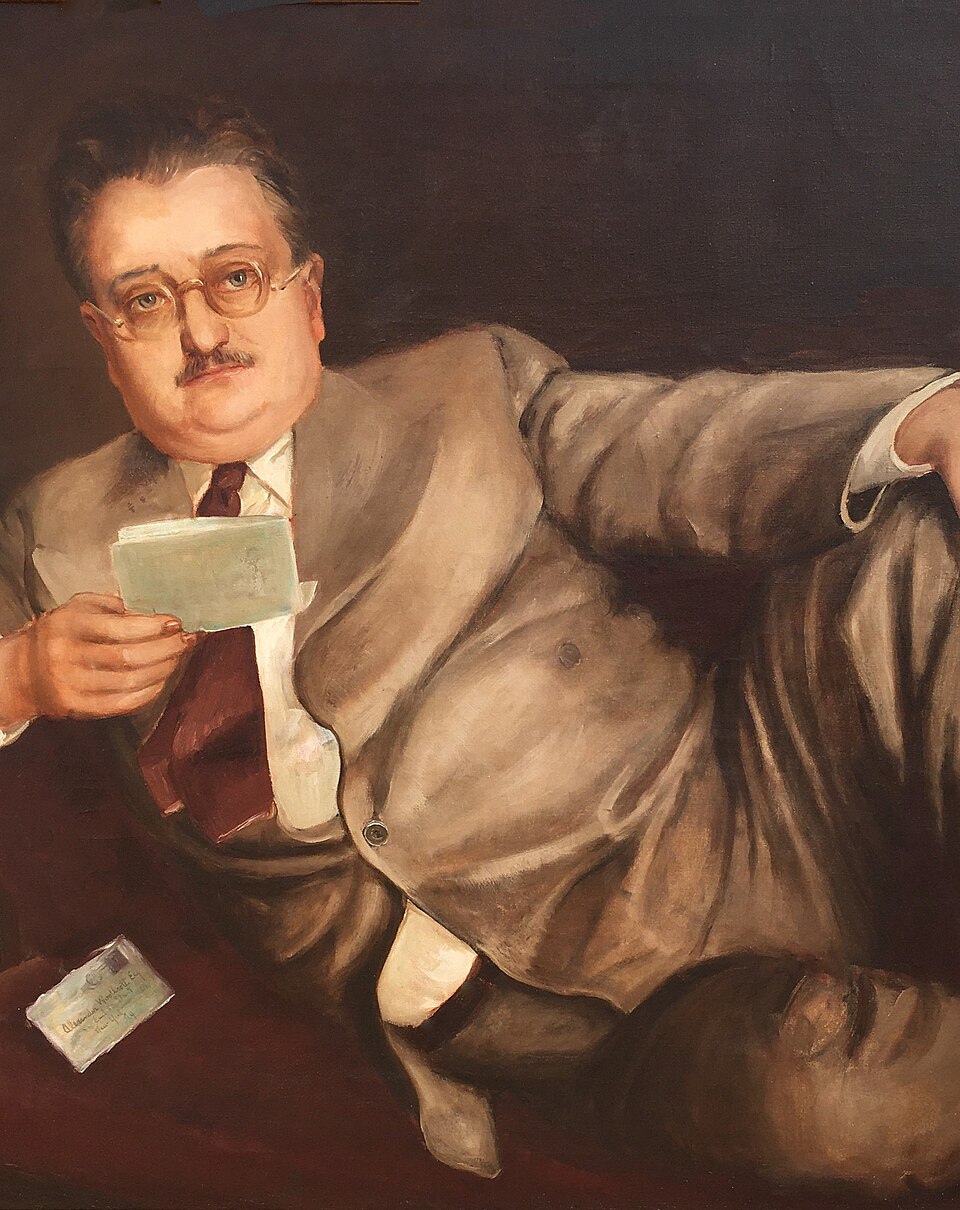
Alexander Woollcott was a theater critic for the New York Times and the New York Herald in the early twentieth century, and a member of the Algonquin Round Table. For a time, theater owners the Shubert brothers banned Woollcott from their venues, since his negative reviews had doomed too many of their productions to failure. But according to a 1927 article from Time magazine, Woollcott was creative, too: "Manhattanites recalled … ruses, disguises, trickery resorted to by the genial Woollcott to deceive the Messrs. Shubert and slip in unperceived."
John Simon was the theater critic at New York magazine from 1968 until 2005 and also published film reviews for the National Review. One collection of 245 of Simon's film reviews contained only 15 positive ones. His negative review of Star Wars in 1977 read, in part, "Still, Star Wars will do very nicely for those lucky enough to be children or unlucky enough never to have grown up." Simon's reviews often veered toward mean-spiritedness, commenting negatively about performers' physical appearance, which led critic Roger Ebert to remark, "I feel repugnance for the critic John Simon, who made it a specialty to attack the way actors look. They can't help how they look, any more than John Simon can help looking like a rat." When Simon died in 2019 at the age of 94, fellow critic Michael Feingold wrote an obituary for American Theatre magazine: "John Simon is dead, which must be as great a relief to him as to the multitude of artists he reviewed who survive him." Feingold went on to call Simon's body of work a "tragedy," noting that his criticism at times could not be distinguished from prejudice, such as when he insisted that Black actors performing Shakespeare should do so in whiteface.
Frank Rich, who later became an op-ed columnist, was the chief drama critic for the New York Times in the 1980s and early 1990s. He became known as the "Butcher of Broadway" due to his reviews' ability to make or break shows. Rich was notorious for bruising one-liners, and he consistently panned beloved shows, including Andrew Lloyd Webber's musicals, writing in 1990 that "Though 'Aspects of Love' purports to deal with romance in many naughty guises … it generates about as much heated passion as a visit to the bank." Rich's criticism led Webber to respond, "This is a man who knows nothing about love!"
Frank Rich was succeeded at the Times by Ben Brantley, who was the theater critic for 27 years, from 1993 to 2020. In an interview during the final days of his tenure, Brantley recalled that his first-ever review for the paper was a pan of Annie Warbucks, the sequel to Annie. Unlike some other reviewers, however, Brantley seemed to take no great joy in writing a negative review: "The theater was only a block away from where I lived in the East Village, so I knew that I would be living with the marquee's reproachful image for however long 'Annie Warbucks' ran." As a critic in the internet age, Brantley's opinions were themselves the subject of scrutiny, launching the website Did He Like It?, which later evolved into Did They Like It?, a major aggregator of Broadway and off-Broadway reviews.
Theater critic Alexander Woollcott
Image by Vikipediamallorca, CC BY-SA 4.0
Filed under Music and the Arts
 This article relates to Bring the House Down.
It first ran in the August 13, 2025
issue of BookBrowse Recommends.
This article relates to Bring the House Down.
It first ran in the August 13, 2025
issue of BookBrowse Recommends.
Theo of Golden by Allen Levi
One spring morning, a stranger arrives in the small southern city of Golden. No one knows where he has come from…or why…




Your guide toexceptional books
BookBrowse seeks out and recommends the best in contemporary fiction and nonfiction—books that not only engage and entertain but also deepen our understanding of ourselves and the world around us.


