Page 1 of 1
There is 1 reader review for Invisible Child
Write your own review!
 Anthony_Conty
Eloquent Writing about Poverty
Anthony_Conty
Eloquent Writing about Poverty
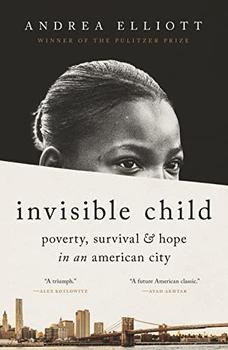
I complain more about money than the average person, but I have trouble imagining true poverty and reading about it. "Invisible Child: Poverty, Survival, & Hope in an American City" by Andrea Elliott loves its spunky protagonist, Dasani, so much that you cheer more than pity. The omnipresent crack epidemic and racist policies would seem cliché in less skillful hands.
The central part of Dasani's story occurs in Bedford-Stuyvesant, or "Bed-Stuy." Everyone, from family to teachers, has a background story that involves shelters and food stamps, but they all hope. When Dasani falls behind in school, they all know she can ill-afford another dangerous obstacle. She was too exceptional to struggle forever, so someone wrote a triumphant novel about her.
Dasani lands a golden opportunity to attend the Milton Hershey School and break "the cycle," but suffers when she feels she is abandoning her beloved family in need. Chanel, Dasani's mother, loses visitation rights due to her drug habits, and Dasani can only hear of this from a distance. Her family's fixed mindset causes them to repeat careless, disastrous mistakes.
The foster system remains broken, if this tale is any indication. The kids did nothing wrong. Their parents feel they have no options. You understand why lives of crime happen and why forgiveness among families occurs so easily. No matter how much they suffered, they always had family, even when the Administration of Children's Services says that they belong apart.
The story takes a significant turn right before the end, completely changing the narrative. It made for compelling drama, but it made me sad. Nonfiction can do that to you. If you fall on the side of demonizing welfare recipients, I will respect your opinion, but I will never agree with you again. Poverty is such pain and abject suffering.