
-
Your next favorite book
is waiting.
Summary | Excerpt | Reviews | Beyond the book | Read-Alikes | Genres & Themes | Author Bio

 Book Reviewed by:
During an author visit at a school assembly, first-year student Dayton succumbs to peer pressure and takes a bet, shouting a homophobic slur for everyone to hear. At first, it's just a word, casually thrown out in the heat of the moment. But the repercussions are far greater than he could have anticipated. Disciplined by the school, grounded by his parents, and shunned by his friends, Dayton is forced to reckon with the impact of his words, the truth of his beliefs, and how to make amends. The ripple effect of his actions extends farther yet. Dayton's classmate Farshid has been a proud ally to queer students, but he's quietly struggling to make sense of his own identity. When bullies are emboldened by Dayton's outburst, whispered slurs begin to follow Farshid through the hallways, making it harder to admit to others—and himself—who he truly wants to be.
Written in second person, the story alternates between Dayton and Farshid's perspectives. The use of direct address can be tricky to sustain for the duration of a novel, often creating a barrier between the reader and the characters' emotions, but here, author Adib Khorram is able to pull it off without it feeling like a mere stylistic gimmick. One the one hand, this direct address reflects the idea that both characters are forcing themselves to confront uncomfortable truths. On the other, it invites readers to consider the ways homophobia can affect us all. Queer or otherwise; victim, perpetrator, or witness; we have all experienced homophobia to some extent. By speaking directly to his audience via his characters, Khorram leaves us with no choice but to reflect on our own response to institutionalized prejudice.
Dayton's narrative arc is focused on accepting accountability for his mistakes and learning that doing better means not just refraining from casual homophobia himself, but actively calling it out in others. Brody is the only friend who doesn't distance himself from Dayton after the assembly incident. The kindness he shows compels Dayton to make excuses for Brody's frequent use of misogynistic and homophobic language. "Brody's a good guy," Dayton tells himself. "If Brody's not, then you're not either." Processing this denial proves key in Dayton's steps to accept and tackle his own internalized homophobia.
Farshid, meanwhile, is wrestling with his own sense of self. As an immigrant from a religious family, he already feels pre-judged. Grappling with his sexuality and the possibility of coming out, then, fuels additional anxiety. "Everyone already thinks you're different for being Iranian," he muses. "For being an immigrant. For being Baháʼí. What would they say if they knew you were … You still can't say the word, not even in the safety of your own mind."
This anxiety manifests in an unhealthy relationship with extreme dieting and exercise (see Beyond the Book). Chasing unrealistic ideals and pushing himself to physical extremes provides Farshid with a sense of control when his emotions feel overwhelming: "You wish you could go for a run, hit a heavy bag, do anything to exercise, exorcise, all this anger choking you, suffocating you, drowning you. All this fear dragging you down."
Farshid's behavior becomes a toxic cycle, with no amount of "gains" ever feeling like enough. His journey toward self-acceptance includes admitting that it is not only bullies and homophobes that could cause him harm, but his own self-esteem issues and body dysmorphia if they remain unchecked.
The dynamic between the two protagonists is refreshing, offering a unique take on the queer, coming-of-age experience. Unlike in much young adult fiction of its type, the characters are not romantically linked, nor are they even friends. Though they do cross paths, their primary conflict is not with each other, but within themselves. By the novel's end, the two learn to understand and respect each other, even if they are fundamentally different people. As Dayton explains: "You don't need him to be your friend. You don't need him to like you. You don't even need him to not hate you. It's not about him. It's about what's right."
This, ultimately, is the crux of the novel. With raw intensity, Khorram explores the power of responsibility, forgiveness, and honesty. Through the dual perspectives of his very different protagonists, he highlights the importance of allowing space for people to explore their identity, while also providing scope for people to learn and grow from their mistakes.
 This review
first ran in the April 8, 2026
issue of BookBrowse Recommends.
This review
first ran in the April 8, 2026
issue of BookBrowse Recommends.

If you liked One Word, Six Letters, try these:

by C. Mallon
Published 2026
A singular, devastating debut novel, Dogs traces the fallout of one catastrophic night in the lives of five high school wrestlers, asking what can survive in the blast radius of latent trauma and violence.
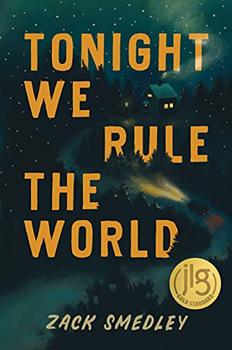
by Zack Smedley
Published 2023
From the critically acclaimed author of Deposing Nathan comes an explosive examination of identity, voice, and the indelible ways our stories are rewritten by others.
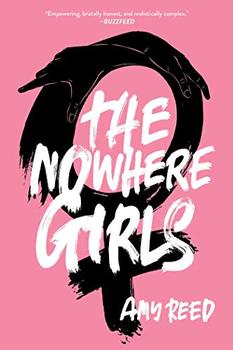
by Amy Reed
Published 2019
Three misfits come together to avenge the rape of a fellow classmate and in the process trigger a change in the misogynist culture at their high school transforming the lives of everyone around them in this searing and timely story.
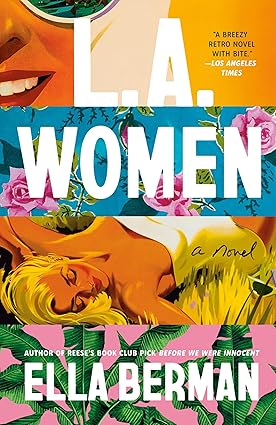
L.A. Women by Ella Berman
Two ambitious writers in 1960s LA face betrayal when one writes a novel based on the other's life.




Your guide toexceptional books
BookBrowse seeks out and recommends the best in contemporary fiction and nonfiction—books that not only engage and entertain but also deepen our understanding of ourselves and the world around us.

