
-
Your next favorite book
is waiting.
Summary | Excerpt | Reviews | Beyond the book | Read-Alikes | Genres & Themes | Author Bio

 Book Reviewed by:
Daniyal Mueenuddin's sweeping novel This Is Where the Serpent Lives begins in 1955, when a young orphan is taken in by Karim Khan, the owner of a tea and curry stall in Rawalpindi, Pakistan. Karim names the boy Yazid and allows him to live behind the stall and help run his business. Yazid is easygoing and well-liked, but after he is sharply put in his place by the housemaid of a wealthy friend, who reminds him of his social class, he leaves, ashamed, in search of new opportunities.
By 1974, Yazid is a chauffeur for landowner and industrialist Colonel Khuda Baksh Atar, and Mueenuddin's narrative expands to include the story of Atar's two sons, Nessim and Hisham. The brothers move to the United States to attend college, where they both meet Shahnaz, the chic daughter of a Pakistani diplomat; their competing attraction to her creates a wedge between them that will only deepen over time. Ultimately, Hisham marries Shahnaz and returns home to Lahore to run the family business, while Nessim creates a life for himself in the United States.
By the time Yazid's chauffeur services shift from the retired Colonel to Hisham and Shahnaz, he is fiercely loyal to the family, and Hisham himself considers Yazid to be "halfway between a servant and a friend." So when Yazid recommends they promote the servant boy Saqib, the son of the Atars' household gardener whom Yazid has taken under his wing, his judgement is implicitly trusted. There is something special about Saqib—he's quiet but keen; he reminds Yazid of himself as a boy. Intelligent and charming, Saqib quickly moves up the servant ranks and eventually makes it to the direct service of Hisham and Shahnaz.
Over time, Saqib silently absorbs the refined tastes of the Atars, whom he serves with the utmost humility. His preparations for Hisham and Shahnaz are impeccable, and his attention to detail and ability to predict their every need fill Yazid with a parental pride. After careful consideration, Hisham entrusts Saqib with the management of his latest business endeavor, tunnel farming (see Beyond the Book). The story's plot has been building up to this moment, and Saqib's subsequent decisions regarding the management of Hisham's proposed tunnel farms could either lead him to a chance at a better life or bring his world crashing down around him.
This Is Where the Serpent Lives hinges on Saqib's decision of whether to stay loyal to Yazid and the Atar family or to do as others have done for generations before him and skim from the profits. Mueenuddin carefully reconstructs the intricacies of Pakistan's class structure and the corruption and collusion it breeds. The cluelessness of the Atars, who don't seem to understand or care that their wealth has been built on the backs of generations of poor villagers, becomes a source of frustration for Saqib. Confused by his loyalties, Saqib is reflective as he seeks to justify the crimes he is considering committing, knowing the Atars have given him promising opportunities for a village boy of his caste:
"No feudal would offer a fair wage to all, from the small to the mighty, the cowherd to the powerful men at the pinnacle. The withered hag—Abishag—who sweeps the dera threshing floors each morning is fed rather than paid, filching away plates of uneaten food, bolting it down in corners, and secretly carrying away old bottles and old rags to the dark room where she lives out her days."
Mueenuddin's storytelling skills are on full display here. Through his carefully crafted chapters and narratives that build slowly over time, the reader grasps the importance of family history and hierarchies within the class system. The wide-ranging story brings the reader into elite family compounds and into the rough homes of the villagers; when Saqib returns home for a surprise visit, he takes in the humble daily rounds of the villagers, who stand in sharp contrast to those he serves in Lahore:
"Those rounds would have continued unchanged, just as all things in the village had continued since his childhood, marriages and deaths proceeding, but always under the same dispensations of light and color, the same mud walls dividing the houses, the buffaloes in the common yard offspring of the ones that he tended as a boy… and the single shop that Colonel Atar permitted there, with its crude wooden door leading down into the interior like a hole poked in dough with a thumb."
The novel covers a lot of ground—settings also include the bazaars of Rawalpindi, the beauty of the Kaghan Mountains, the city lights of Lahore, Islamabad, the United States, and more—which offers great armchair travel as the story builds. The story isn't dense, but it is thorough and features a lot of characters (a list of principal characters is even provided at the beginning) and may require some patience.
This Is Where the Serpent Lives is an entertaining, edifying novel of great scope; Daniyal Mueenuddin has managed to craft a story with deep themes of love, loyalty, and the concept of fairness in a society with a trenchant caste system. This engaging, epic tale is sure to find itself on many must-read lists for some time to come.
 This review
first ran in the February 11, 2026
issue of BookBrowse Recommends.
This review
first ran in the February 11, 2026
issue of BookBrowse Recommends.

If you liked This Is Where the Serpent Lives, try these:
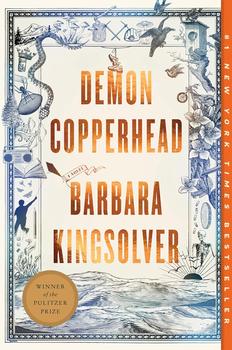
by Barbara Kingsolver
Published 2024
From the New York Times bestselling author of Unsheltered and Flight Behavior, a brilliant novel which enthralls, compels, and captures the heart as it evokes a young hero's unforgettable journey to maturity.
by Zadie Smith
Published 2024
From acclaimed and bestselling novelist Zadie Smith, a kaleidoscopic work of historical fiction set against the legal trial that divided Victorian England, about who gets to tell their story—and who gets to be believed
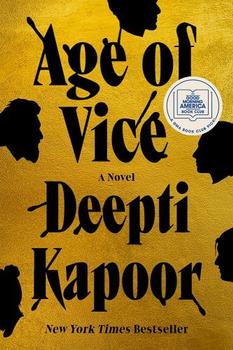
by Deepti Kapoor
Published 2024
This is the age of vice, where money, pleasure, and power are everything, and the family ties that bind can also kill.
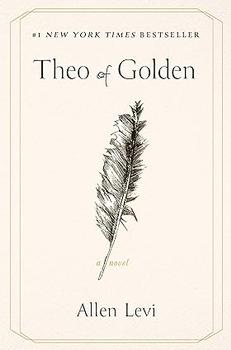
Theo of Golden by Allen Levi
One spring morning, a stranger arrives in the small southern city of Golden. No one knows where he has come from…or why…






Your guide toexceptional books
BookBrowse seeks out and recommends the best in contemporary fiction and nonfiction—books that not only engage and entertain but also deepen our understanding of ourselves and the world around us.

