
-
Your next favorite book
is waiting.
Summary | Excerpt | Reviews | Beyond the book | Read-Alikes | Genres & Themes | Author Bio

Margaret C. Anderson, Book Bans, and the Fight to Modernize Literature
by Adam Morgan Book Reviewed by:
In 1922, Ulysses appeared in book form, bound in its now-iconic turquoise cover, and revolutionized the literary world. But before that, in 1918, readers of The Little Review had already been given access to fourteen of the novel's eighteen episodes, thanks to the drive of the magazine's creator, Margaret Anderson, though this first publication did not receive the same acclaim that later surrounded the book. "Ulysses ran serially in The Little Review for three years...scarcely a peep from the now swooning critics except to mock it..." wrote Jane Heap, Anderson's romantic and editorial partner. With the same dry wit and disillusionment, Margaret would reflect in the magazine's final issue: "We have given space in The Little Review to 23 new systems of art (all now dead), representing 19 countries. In all of this we have not brought forward anything approaching a masterpiece except 'Ulysses' of Mr. Joyce." These quotes capture the spirits of the editors, the magazine's audacity, and the disenchantment following the obscenity trial that halted the novel's serialization and left a permanent mark on Anderson's life and on literary history.
Born in Indianapolis in 1886, Anderson moved to Chicago in the 1910s, pursuing a career in the arts, or at least a life away from the one she'd known. Chicago was not the bohemian capital that Greenwich Village and Paris were in the 1920s, but its cultural ambitions and artistic communities helped shape both the world and Anderson's destiny. These are the landscapes around which Adam Morgan builds Anderson's biography, creating a lively reading experience that is structured and sustained by a clear and chronological frame.
Where A Danger to the Minds of Young Girls wavers is in its uncertainty about what kind of book it wants to be. The preface and publicity hint that the obscenity trial that "changed the very definition of what a book could be" will serve as its central axis, but the trial takes just one of ten chapters, and feels lost in the sea of names and their overstated importance. Morgan introduces an impressive cast, but with such lengthy profiles and concrete details that some might have been better left in the dramatis personae he shares at the beginning of the book. For readers already familiar with the modernist scene, this richness may be fascinating; for newcomers, it can feel overwhelming, especially when at times the narrative gives more space to lovers and side characters than to what The Little Review actually accomplished. This tendency repeats throughout: Morgan frequently references figures who "would go on to" win major prizes without explaining for what and why it matters, and he insists that Anderson's role in serializing Ulysses "shook the foundations" of literature without ever clarifying how. The language gestures toward turning points and shifts, but without context.
Morgan's tone shifts, too. He generally writes from the safe distance of the biographer, but he sometimes seems so eager to defend Anderson (whom he credits with changing his life) that he switches from biographer to passionate advocate, expressing frustration that scholars have given more credit to Heap than his subject, and calling Ezra Pound a "narcissistic psychopath." These moments pull the reader out of the narrative.
At the same time, the level of detail is extraordinary. The endmatter is expansive, and the research is meticulous. Morgan also draws a rich atmosphere, and, above all, offers a vivid portrait of Anderson as a woman who not only serialized Ulysses, but cultivated a radical space for new writing, championed voices that reshaped modern literature, and built a magazine that remains a treasure trove of experimentation.
For readers already interested in modernism, the 1920s cultural scene, or literary biographies, this is an absorbing read. For those not familiar with the subject matter, it can still be inviting as a carefully researched biography that will make you feel like you're in the movie Midnight in Paris, wandering the streets in the 1920s with the fascinating personalities of the era. Even when the narrative meanders, it consistently reminds us that literary history is shaped not only by the geniuses who wrote the masterpieces, but also by the uncompromising editors, many of them women, who insisted those masterpieces deserved to be seen.
 This review
first ran in the January 14, 2026
issue of BookBrowse Recommends.
This review
first ran in the January 14, 2026
issue of BookBrowse Recommends.

If you liked A Danger to the Minds of Young Girls, try these:
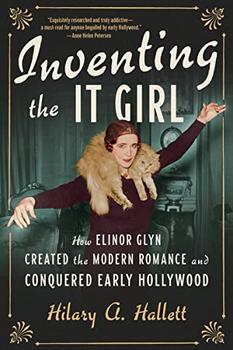
by Hilary A. Hallett
Published 2024
The modern romance novel is elevated to a subject of serious study in this addictively readable biography of pioneering celebrity author Elinor Glyn.
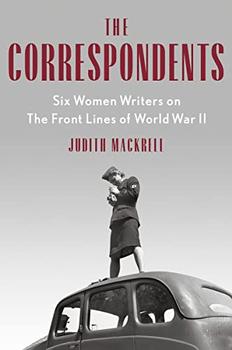
by Judith Mackrell
Published 2023
The riveting, untold history of a group of heroic women reporters who revolutionized the narrative of World War II - from Martha Gellhorn, who out-scooped her husband, Ernest Hemingway, to Lee Miller, a Vogue cover model turned war correspondent.
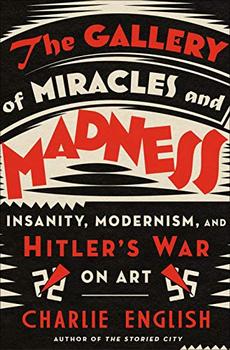
The Gallery of Miracles and Madness
by Charlie English
Published 2021
The untold story of Hitler's war on "degenerate" artists and the mentally ill that paved the way for the Holocaust.
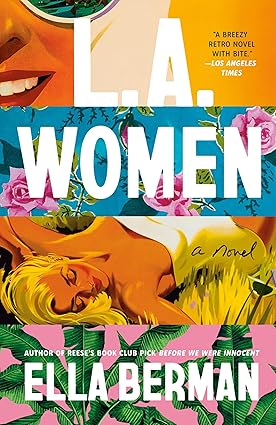
L.A. Women by Ella Berman
Two ambitious writers in 1960s LA face betrayal when one writes a novel based on the other's life.






Your guide toexceptional books
BookBrowse seeks out and recommends the best in contemporary fiction and nonfiction—books that not only engage and entertain but also deepen our understanding of ourselves and the world around us.

