
-
Your next favorite book
is waiting.
Summary | Excerpt | Reading Guide | Reviews | Beyond the Book | Readalikes | Genres & Themes | Author Bio

A Novel
by Nell Stevens Book Reviewed by:
Generation after generation of my family refused to eat pheasant in memory of Grandmother Hodierna's curse. And then came the autumn of 1886, when I was twelve years old, and a roasted pheasant appeared one night on our dinner table. Too much time had passed. My cousin Eliza had died of consumption the previous year and the household was still mourning; in the face of this tragedy, the story of 'The Drag' had lost its urgency. There had been a hunt that day, and many birds shot, and it was a waste not to enjoy the spoils. Nobody gave any thought to the painting hidden away in my room. Nobody believed in curses anymore. Later, when a gamekeeper asked my uncle whether it was true he should be sending birds to the kitchen now, my uncle, irritated and embarrassed, remembered the existence of the painting and sent someone to my room to have it destroyed. I watched from my window as a bonfire was lit in the field beyond the formal gardens and the painting set atop it.
That night, I lay in bed beneath the spot where Grandmother Hodierna's portrait had been. The space above my head felt weighty and unpleasant. I had the sensation that all that empty space might somehow fall on me. I went to my closet and took out one of the copies I had painted and placed it in the empty frame. Hodierna looked down on me again. After that, I slept easy.
The next day, a maid came in to make up my room and saw that the painting had come back, had been burned and was now, miraculously, returned, as it always had been, as though it had never been obliterated. Word spread amongst the servants and then, eventually, to the family. The household gathered in my bedroom to survey, astonished, 'The Drag'. The painting was back from the dead.
What followed was a kind of collective breakdown, everyone suspecting everyone else of having done something weird, but unable to say exactly what, or who. It was a shared hallucination, the painting. It was a kind of madness the whole family entered into. To talk about it would be to make it real.
What happened next was that my cousin Charles ran away to sea and after some years was presumed drowned. And then my uncle died. And then my cousin Teddy died, and there were no more male heirs. And then even stranger things happened, and my copy of 'The Drag' remained above my bed, untouched, unmentioned, though I often thought of the night they burned it, of the flames flaring up from the dark field by the house like Grandmother Hodierna's torch all those centuries ago, as though the painting was the thing that was wrong.
The moral of this story is: never underestimate the power of a generous woman.
The moral of this story is: the things you wish to hide might have other ideas.
The moral of this story is: sometimes a copy is mightier than the original.

Excerpted from The Original by Nell Stevens. Copyright © 2025 by Nell Stevens. Excerpted by permission of W.W. Norton & Company. All rights reserved. No part of this excerpt may be reproduced or reprinted without permission in writing from the publisher.
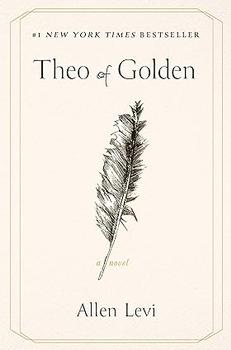
Theo of Golden by Allen Levi
One spring morning, a stranger arrives in the small southern city of Golden. No one knows where he has come from…or why…





Your guide toexceptional books
BookBrowse seeks out and recommends the best in contemporary fiction and nonfiction—books that not only engage and entertain but also deepen our understanding of ourselves and the world around us.

