Book Club Discussion Questions
In a book club? Subscribe to our Book Club Newsletter and get our best book club books of 2025!
Please be aware that this discussion guide will contain spoilers!
-
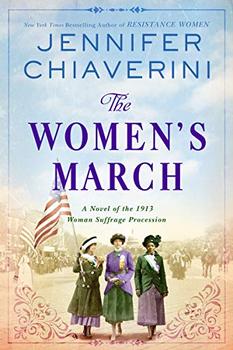
Had you heard about the Woman Suffrage Procession of 1913 before reading this book? Were any of the real-life characters in this novel familiar to you already?
-
The wealthy suffragist Mrs. Dennett tells Alice Paul: "Breaking windows? Charging police officers? Such radical behavior is simply not acceptable on this side of the Atlantic. It would turn public opinion entirely against us, undoing decades worth of hard toil and steady progress." Do you think she's correct? When Alice says "we've adapted British suffragist tactics to our marches and demonstrations here in the States" what did she have in mind?
-
When giving speeches about women's suffrage, Maud Malone "understood well that to win over her audience, she most not hector them, but draw them in with humor and amusing banter." Is she successful? Do women today still need to make these compromises when they're advocating for themselves?
-
"Experience and broken trust had taught Ida not to put too much faith in white systems of government and law, or in white authorities who promised to help her navigate the system," the author writes. Was Ida Wells-Barnett justified in this belief ? Why did she decide to join the woman suffrage movement despite this?
-
What did you make of Ida's encounter with the famous women's rights leader Susan B. Anthony? Did you agree with Mrs. Anthony's decision to exclude Black women from the early suffrage movement because "I didn't want anything to interfere with bringing southern white women into our suffrage association?" How do you imagine Ida felt on hearing this from a woman she so respected? What role does racism play in deciding who marched in the Procession and how did Ida and the women around her address it?
-
General Jones's mother and sister belonged to the National Association Opposed to Women's Suffrage, which was a real organization, founded in 1911. Why would women of the time actively fight against women gaining the right to vote? Why does one of the leaders of the women opposed to suffrage say about the Procession: "We feel that the exhibition put on by the suffragists on Monday has helped our cause."? Was she right?
-
Thinking back on the Procession, Alice feels that "the chaos and ugliness that had erupted where she had endeavored to evoke beauty and dignity had stolen any sense of triumph she might had taken from the day." Do you think the Procession was a success? Was it ultimately worthwhile to the women who participated in it?
-
Contrast the 1913 Woman Suffrage Procession depicted here to other marches on Washington, including the March on Washington in 1963 and the Women's March of 2017. What do the organizers of these large protests want to achieve? Have they historically been an effective way of publicizing or accomplishing those goals?
These questions were originally posted on the author's website at: https://www.jenniferchiaverini.com/
Unless otherwise stated, this discussion guide is reprinted with the permission of William Morrow. Any page references refer to a USA edition of the book, usually the trade paperback version, and may vary in other editions.