Book Club Discussion Questions
In a book club? Subscribe to our Book Club Newsletter and get our best book club books of 2025!
Please be aware that this discussion guide will contain spoilers!
-
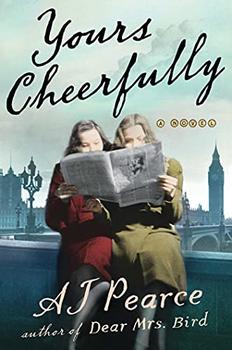
In 1941, Britain had been at war for two years and London had just survived the Blitz—a brutal series of German air raids that dropped more than 12,000 metric tons of bombs from September 1940 to May 1941, killing nearly 30,000 civilians. What do you imagine Londoners were feeling and thinking at this time?
-
Mrs. Mahoney tells Emmy that "caring about getting things right is worth its weight in gold" (16). How do the staff members at Woman's Friend express that they care about getting things right?
-
When Emmy attends the first meeting at the Ministry of Information, she can't wait to get started on the campaign to encourage women war workers. Why does Emmy feel this call to arms so keenly?
-
Mrs. Edwards of Woman Today is a memorable figure and a role model for Emmy. Why does she make such an impression on Emmy?
-
Bunty says, "There are women who stick up for each other, and women who don't. You're either one or the other. It's as simple as that" (44). Compare those who stick up for others to those who don't in Yours Cheerfully. What are their respective motivations? Is it always "as simple as that"?
-
Meeting Anne gives Emmy a new perspective on women war workers, particularly factory workers. Why do you think Emmy was surprised by the experiences, challenges, and circumstances of the women working at Chandlers?
-
Compare Mr. Terry and Mr. Rice. Are they equally at fault in the issues facing the women at Chandlers?
-
Why is childcare such a contentious issue? What dynamics are at play? Why is there an "interminable" loop from factory management to local authorities to the Ministry of Health and to the Ministry of Labour?
-
Discuss the competing demands Emmy faces in her work, such as the Ministry recruitment campaign versus the women workers' welfare. In what ways does Emmy try to strike a balance? Does she succeed?
-
Was Emmy right to suggest the parade to Anne and her friends at Chandlers? What might you try to do for the women if you were Emmy?
-
Mr. Collins and Charles, though half-brothers, present two very different male experiences during World War II. What characteristics do they bring from their respective generations? How do they experience this war differently?
-
Emmy reflects that in the letters to Yours Cheerfully the readers often "referred to something a friend of theirs had said. They weren't always complimentary, but invariably you knew that their friends were a central part of their world, especially with so many men now away" (220). How does the war affect women's everyday lives? Why are friendships so vital?
Unless otherwise stated, this discussion guide is reprinted with the permission of Scribner. Any page references refer to a USA edition of the book, usually the trade paperback version, and may vary in other editions.