Book Club Discussion Questions
In a book club? Subscribe to our Book Club Newsletter and get our best book club books of 2025!
Please be aware that this discussion guide will contain spoilers!
-
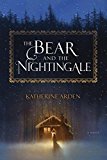
Throughout the novel, Vasya meets many strange creatures from Dunya's fairy tales—from the domovoi to the rusalka to upyry. Which of the demons that Vasya encounters is your favorite? Which ones would you never want to meet?
-
Compare some of the fairy tales and creatures referenced here to your favorite Western fairy tales. What are some commonalties? How are they different?
-
What are some tropes or stock characters of the traditional Western fairy tale that you can spot in The Bear and the Nightingale? Were there any parts of the traditional Western fairy tale that were used in a way that surprised you?
-
Dunya is tasked by both Pyotr and the winter-king to give the talisman to Vasya, yet Dunya is conflicted. She fears for Vasya's safety if she were to possess the talisman, but the winter-king insists that Vasya must have it in order to protect them all. Was Dunya right to keep the talisman from Vasya for so long?
-
Do you trust the winter-king? What do you think he is still hiding from Vasya?
-
The various demons and spirits begin to prophesize Vasya's fate to her in mysterious riddles, and we learn bit by bit that the winter-king also seems to possess knowledge of what's to come and the role Vasya is destined to play. What role do you think fate plays in the novel? How much of what happens is the result of choices made by the characters versus an inevitable destiny?
-
Who do you think is to blame for the suffering Vasya's village of Lesnaya Zemlya faces: Konstantin? The villagers for neglecting their offerings to the demons? Anna for rejecting her second sight and punishing Vasya for hers? Metropolitan Aleksei for sending Anna and Konstantin to the village? Pyotr for allowing such misery to befall his village? Is the blame shared? Was the fate of the village inevitable?
-
To what degree is the character of Konstantin sympathetic? Does his passionate faith excuse his actions? Is he an unwitting dupe or a willing player in his own fall? Do his charisma and artistic talent conflict with or complement his vocation as a priest? Why?
-
What are some parallels between Vasya and her stepmother? What are some key differences between them? Why does Anna hate Vasya so much?
-
Vasya is faced with the choice of marriage, a convent, or a life in which she's considered an outsider by her village and her family. What would you have done in her place?
-
Why do you think the villagers are so threatened by Vasya? What does she represent to them?
-
The Bear and the Nightingale is not a clear-cut story of good vs. evil, though there are many other opposing forces, including the Bear vs. Morozko, order vs. chaos, the old traditions vs. Christianity, and, of course, the Bear vs. the Nightingale. What are some other examples? How do these opposing forces overlap, and where do you think Vasya fits in?
-
Over the course of the book, we see multiple instances of characters correlating someone's goodness with physical appearance. For instance, Vasya's almost-husband, Kyril, is called handsome and is consequently revered despite his cruel personality. Vasya, meanwhile, is repeatedly called a "frog" and is quickly labeled a witch. What are some instances in your life where you have seen others being mislabeled based on their appearance? Are there times when you have felt like you have been mislabeled?
-
The Bear and the Nightingale is bracketed by sacrifice—first Vasya's mother, then at the end her father. How is sacrifice an important theme in the book? How many characters are called upon to give up something important, even vital? Not just Vasya herself, but Anna and Konstantin, for example. How do the sacrifices of others shape the narrative?
Unless otherwise stated, this discussion guide is reprinted with the permission of Del Rey. Any page references refer to a USA edition of the book, usually the trade paperback version, and may vary in other editions.