Book Club Discussion Questions
In a book club? Subscribe to our Book Club Newsletter and get our best book club books of 2025!
Please be aware that this discussion guide will contain spoilers!
-
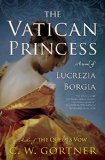
In The Vatican Princess, C. W. Gortner's goal was to portray Lucrezia Borgia, one of history's most infamous and maligned personages, as a multifaceted human being, beholden to the strictures of her era and her family. Does he succeed? Is Lucrezia sympathetic to you? If so, why? If not, why not?
-
History has condemned Lucrezia as a poisoner and incestuous with both her brother and her father. New research, however, challenges this centuries-long perception of her. How much of her reputation do you think she deserves? Why do you think history blackened her reputation?
-
Lucrezia opens the novel by saying that "Infamy is merely an accident of fate." What does she mean? Discuss how she reaches this conclusion. What does it say about her personality and how she feels about her family, both at the start and at the conclusion of the novel?
-
Discuss how Lucrezia's life transforms after her father is elected to the Holy See. What kind of childhood did she have and how do you think it shaped her? What are her expectations of her future compared to what actually happened? What kind of obstacles did she come up against and how does she react?
-
Lucrezia's relationship with her brother Cesare is a key component in this novel. How would you describe their relationship? Do you think Cesare loved his sister, and how do his actions influence her? Do you feel as if you understand Cesare Borgia? If so, why? If not, why not?
-
Italy during the Renaissance was very different from the country of today. Discuss these differences. How do you feel about the Holy See and how a pope exercised power in Renaissance Rome? What are some of the differences that you found most interesting? Were you surprised by how the Vatican operated during this era? Do you see any parallels to today?
-
Discuss Lucrezia's marriages. How much of a choice did she have? What are the differences between her first and her second marriage? Do you think she was in love with Alfonso of Aragon? How do you feel about her choice to keep secrets from him?
-
How does this novel present the dilemmas and limitations that Renaissance women faced? What surprised you the most about how women of this era lived?
-
Much is unknown about the Borgias' private life. Do you think the author created a plausible scenario for events that remain a mystery, such as the murder of Juan Borgia and the paternity of Lucrezia's illegitimate child?
-
Discuss Lucrezia's relationships with the other women in her life. How did her relationship with her mother affect her? Was Giulia like a sister to her, as Giulia declares, and if so, did Lucrezia reciprocate? How do you feel about Lucrezia's relationship with Sancia? Was Lucrezia's life less difficult than these women's or more so? Which female character did you most identify with? What are your impressions of motherhood in this era?
-
Lucrezia clearly loves her father. Discuss her relationship with him. Was Rodrigo Borgia a good father? How does their relationship evolve?
-
This novel is told in Lucrezia's voice. Does she express any regret or doubt for actions she's taken? How does she develop as a person from her early girlhood to the final denouement in the book? Do you think she was affected as much by her emotions as by the events around her? Discuss her choices and how she may have acted differently.
-
Do you think Lucrezia Borgia was a pawn or a conspirator? Does she show both facets in her personality? Of all the Borgias, whom do you feel was the most sincere?
-
What part of this book most surprised you? Which part did you find most engaging or interesting? What have you learned from reading The Vatican Princess about this period in Italian history, and about Lucrezia herself?
Unless otherwise stated, this discussion guide is reprinted with the permission of Ballantine Books. Any page references refer to a USA edition of the book, usually the trade paperback version, and may vary in other editions.