-
Your next favorite book
is waiting.
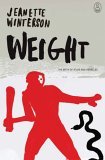
The Myth of Atlas and Heracles
"When I was asked to choose a myth to write
about, I realized I had chosen already. The story of Atlas holding up
the world was in my mind before the telephone call had ended. If the
call had not come, perhaps I would never have written the story, but
when the call did come, that story was waiting to be written.
Rewritten. The recurring language motif of Weight is 'I want to tell
the story again.' My work is full of cover versions. I like to take
stories we think we know and record them differently. In the retelling
comes a new emphasis or bias, and the new arrangement of the key
elements demands that fresh material be injected into the existing
text. Weight moves far away from the simple story of Atlas's punishment
and his temporary relief when Heracles takes the world off his
shoulders. I wanted to explore loneliness, isolation, responsibility,
burden, and freedom, too, because my version has a very particular end
not found elsewhere." -- from Jeanette Winterson's Foreword to Weight.
Comment: The second in eries, see 'A Short History of Myth' (in this issue) for more information.
None available.
This information about Weight was first featured
in "The BookBrowse Review" - BookBrowse's membership magazine, and in our weekly "Publishing This Week" newsletter. Publication information is for the USA, and (unless stated otherwise) represents the first print edition. The reviews are necessarily limited to those that were available to us ahead of publication. If you are the publisher or author and feel that they do not properly reflect the range of media opinion now available, send us a message with the mainstream reviews that you would like to see added.
Any "Author Information" displayed below reflects the author's biography at the time this particular book was published.
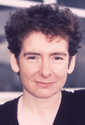
Jeanette Winterson was born in Manchester. She is a beloved cultural icon and queer trailblazer who published her first novel, Oranges Are Not the Only Fruit, at twenty-five. Over two decades later she revisited that material in her internationally bestselling memoir Why Be Happy When You Could Be Normal? Winterson has written thirteen novels for adults and three collections of short stories, as well as children's books, non-fiction and screenplays. Her novel Written on the Body was named one of the 25 Most Influential Works of Postwar Queer Literature by the New York Times. Since her innovative and forward-thinking writing about AI in her essay collection 12 Bytes, she speaks at tech conferences around the world. She is professor of New Writing at the University of Manchester and writes a...

If you liked Weight, try these:

by Jackie Polzin
Published 2022
An exquisite new literary voice - wryly funny, nakedly honest, beautifully observational, in the vein of Jenny Offill and Elizabeth Strout - depicts one woman's attempt to keep her four chickens alive while reflecting on a recent loss.
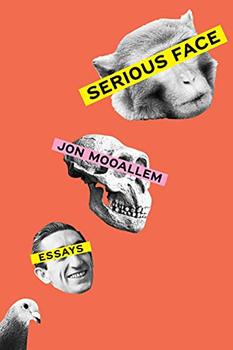
by Jon Mooallem
Published 2022
From the discovery of the author's face in a century-old photograph to a triple-amputee hospice director working at the border of life and death, here are thirteen hopeful, heartbreaking, and profound essays from "one of the most intelligent, compassionate, and curious authors working today" (Elizabeth Gilbert).
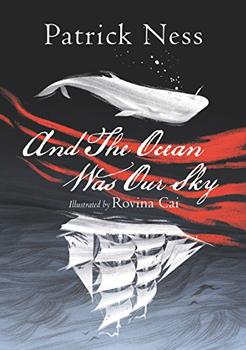
by Patrick Ness
Published 2018
A richly illustrated and lyrical tale, one that asks harrowing questions about power, loyalty, obsession, and the monsters we make of others.
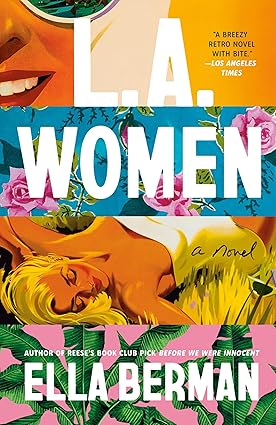
L.A. Women by Ella Berman
Two ambitious writers in 1960s LA face betrayal when one writes a novel based on the other's life.







Your guide toexceptional books
BookBrowse seeks out and recommends the best in contemporary fiction and nonfiction—books that not only engage and entertain but also deepen our understanding of ourselves and the world around us.