-
Your next favorite book
is waiting.
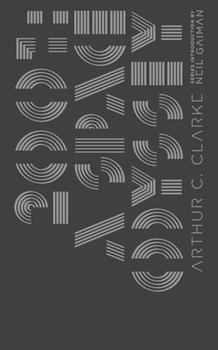
A Space Odyssey (Penguin Galaxy)
by Arthur C. Clarke
Written when landing on the moon was still a dream, 2001: A Space Odyssey is a science-fiction classic that has changed the way we look at the stars—and ourselves.
On the moon, an enigma is uncovered. So great are the implications that, for the first time, men are sent deep into our solar system. But before they can reach their destination, things begin to go very wrong. From the savannas of Africa at the dawn of mankind to the rings of Saturn at the turn of the 21st century, Arthur C. Clarke takes us on a journey unlike any other. Brilliant, compulsive, and prophetic, and the basis for the immensely influential Stanley Kubrick film, 2001: A Space Odyssey tackles the enduring theme of man's—and technology's—place in the universe and lives on as a landmark achievement in storytelling.
"Serious science fiction and fantasy readers cannot resist the classics... . That's what makes the Penguin Galaxy series so appealing... . Each of the novels here has earned their place in the halls of literary history... . Their small form factor and minimalist covers call out to readers and make them fun to read all over again." —Kirkus Reviews
"[Clarke is] a master who is as deft at generating accelerating, almost painful suspense as he is knowledgeable and accurate (and fascinating) about the technical and human details of space flight and exploration." —The New York Times
"By standing the universe on its head, he makes us see the ordinary universe in a different light." —The New Yorker
This information about 2001 was first featured
in "The BookBrowse Review" - BookBrowse's membership magazine, and in our weekly "Publishing This Week" newsletter. Publication information is for the USA, and (unless stated otherwise) represents the first print edition. The reviews are necessarily limited to those that were available to us ahead of publication. If you are the publisher or author and feel that they do not properly reflect the range of media opinion now available, send us a message with the mainstream reviews that you would like to see added.
Any "Author Information" displayed below reflects the author's biography at the time this particular book was published.
Arthur C. Clarke (1917–2008) wrote a hundred books and more than a thousand short stories and essays covering science fiction and science fact. The recipient of dozens of awards, fellowships, and honorary doctorates, and the only science-fiction writer to be nominated for the Nobel Peace Prize, he had both an asteroid and a dinosaur species named after him. One of his short stories inspired the World Wide Web; another was expanded into the film 2001: A Space Odyssey, which he co-wrote with Stanley Kubrick. In 1998 he was given a knighthood by Queen Elizabeth. His books have sold more than 100 million copies worldwide.

If you liked 2001, try these:

by Ed Park
Published 2026
A deadpan, wildly imaginative collection of stories that slices clean through the mundanity and absurdity of modern life, from the author of the Los Angeles Times Book Prize–winner and Pulitzer Prize finalist Same Bed Different Dreams.

by John Scalzi
Published 2026
New York Times bestseller John Scalzi flies you to the moon with his most fantastic tale to date: When the Moon Hits Your Eye.

by Samantha Harvey
Published 2024
A slender novel of epic power, Orbital deftly snapshots one day in the lives of six women and men hurtling through space - not towards the moon or the vast unknown, but around our planet.
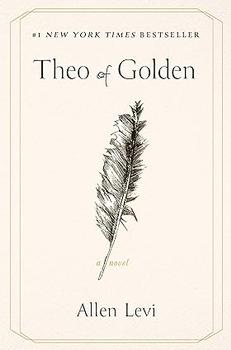
Theo of Golden by Allen Levi
One spring morning, a stranger arrives in the small southern city of Golden. No one knows where he has come from…or why…


Your guide toexceptional books
BookBrowse seeks out and recommends the best in contemporary fiction and nonfiction—books that not only engage and entertain but also deepen our understanding of ourselves and the world around us.