
-
Your next favorite book
is waiting.
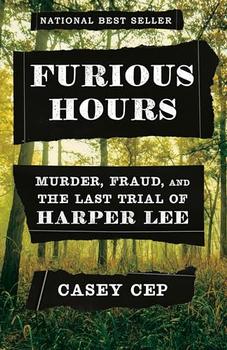
Murder, Fraud, and the Last Trial of Harper Lee
by Casey Cep
This "superbly written true-crime story" (The New York Times Book Review) masterfully brings together the tales of a serial killer in 1970s Alabama and of Harper Lee, the beloved author of To Kill a Mockingbird, who tried to write his story.
Reverend Willie Maxwell was a rural preacher accused of murdering five of his family members for insurance money in the 1970s. With the help of a savvy lawyer, he escaped justice for years until a relative shot him dead at the funeral of his last victim. Despite hundreds of witnesses, Maxwell's murderer was acquitted—thanks to the same attorney who had previously defended the Reverend.
Sitting in the audience during the vigilante's trial was Harper Lee, who had traveled from New York City to her native Alabama with the idea of writing her own In Cold Blood, the true-crime classic she had helped her friend Truman Capote research seventeen years earlier. Lee spent a year in town reporting, and many more years working on her own version of the case.
Now Casey Cep brings this story to life, from the shocking murders to the courtroom drama to the racial politics of the Deep South. At the same time, she offers a deeply moving portrait of one of the country's most beloved writers and her struggle with fame, success, and the mystery of artistic creativity.
"She explains as well as it is likely ever to be explained why Lee went silent after To Kill a Mockingbird. (The clue's in Cep's title.) And it's here, in her descriptions of another writer's failure to write, that her book makes a magical little leap, and it goes from being a superbly written true-crime story to the sort of story that even Lee would have been proud to write." —The New York Times Book Review
"Tells a crime story but also says a great deal about the racial, cultural and political history of the South. As a portrayal of the life of a writer, the section on Lee is by itself worth the price of admission." —The Washington Post
"Cep narrates this saga atmospherically and with empathy. There are lyrical passages... plus judicious detail... Excursions into the annals of life insurance fraud and folkways of voodoo are fascinating." —The Los Angeles Times
This information about Furious Hours was first featured
in "The BookBrowse Review" - BookBrowse's membership magazine, and in our weekly "Publishing This Week" newsletter. Publication information is for the USA, and (unless stated otherwise) represents the first print edition. The reviews are necessarily limited to those that were available to us ahead of publication. If you are the publisher or author and feel that they do not properly reflect the range of media opinion now available, send us a message with the mainstream reviews that you would like to see added.
Any "Author Information" displayed below reflects the author's biography at the time this particular book was published.
Casey Cep is a staff writer at The New Yorker. After graduating from Harvard with a degree in English, she earned an M.Phil in theology at Oxford as a Rhodes Scholar. She lives on the Eastern Shore of Maryland with her family. Furious Hours is her first book. www.caseycep.com

If you liked Furious Hours, try these:
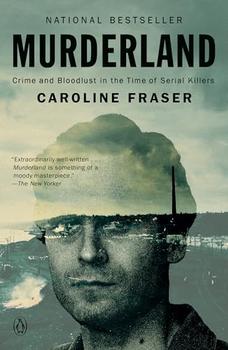
by Caroline Fraser
Published 2026
From the Pulitzer Prize–winning author of Prairie Fires comes a terrifying true-crime history of serial killers in the Pacific Northwest and beyond—a gripping investigation of how a new strain of psychopath emerged out of a toxic landscape of deadly industrial violence.

by Wright Thompson
Published 2025
A shocking and revelatory account of the murder of Emmett Till that lays bare how forces from around the world converged on the Mississippi Delta in the long lead-up to the crime, and how the truth was erased for so long.
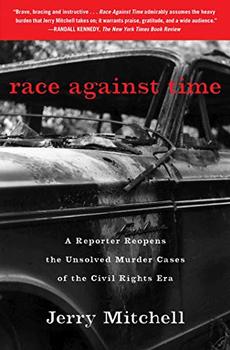
by Jerry Mitchell
Published 2021
On June 21, 1964, more than twenty Klansmen murdered three civil rights workers. The killings, in what would become known as the "Mississippi Burning" case, were among the most brazen acts of violence during the civil rights movement. And even though the killers' identities, including the sheriff's deputy, were an open secret, no one was charged ...
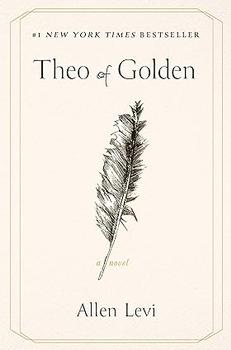
Theo of Golden by Allen Levi
One spring morning, a stranger arrives in the small southern city of Golden. No one knows where he has come from…or why…






Your guide toexceptional books
BookBrowse seeks out and recommends the best in contemporary fiction and nonfiction—books that not only engage and entertain but also deepen our understanding of ourselves and the world around us.

