
-
Your next favorite book
is waiting.

by Eka Kurniawan
A swift, intense novel about a teen rebelling against forced religious conformity in a small Javanese town, The Dog Meows, the Cat Barks ponders that perpetual human question, can we ever really be free?
Sato Reang enjoys an idyllic childhood of soccer, fighting crickets, and mischief in his Indonesian village―until the day he must be circumcised, and his observant father forces him into a life of Islamic piety. For years, Sato outwardly obeys his father, but all the while the boy chafes at the strictures of his religious routine, longing for everyday pleasures and vowing to himself that he will "become a child who was not pious." His freewheeling linked anecdotes―mixing worldliness and naïveté, cruelty and innocence―are narrated with a toggling between first and third person ("I"/"he" or "Sato Reang") that potently conveys his disassociation. His adolescent, hormone-fueled crotchetiness expresses dissent: I stopped going to mosque. I no longer joined in worship. I never said my prayers before bed. Sato Reang eats with his left hand―so stupid―and barges in where he pleases, without calling out a greeting. If I was feeling lazy, I'd just piss on a banana tree, and I wouldn't wash myself off after. But amid various mysterious portents and even within the hilarity, Sato's callow sang froid (with its undercurrents of pain and shame)―and his comic pranks―soon invite tragedy.
A psychologically timeless story―anyone who's ever had an overbearing parent and resented them will relate―The Dog Meows, the Cat Barks is Eka Kurniawan's most contemporarily relevant book: he's thinking about (and rejecting) militancy and moral certitude of any kind.
"Kurniawan flips effortlessly from first to third person, creating a fun and textured style, which blends a clear-eyed perspective with moments of visceral emotion. This brims with humor and heart." —Publishers Weekly (starred review)
"A pensive portrait of rural anomie. Kurniawan's story seems sure to offend fundamentalist sensibilities, and has plenty of unsettling moments for the secular reader, too. A memorable look into a delinquent mind, one with little hope for any future other than hell." —Kirkus Reviews
"A deeply resonating examination of destructive familial bonds, the sincerity of religious piety, and the (not-so-)small rebellions the oppressed enact for sanity and survival." —Booklist
"An arresting portrait of Indonesia's struggle for nationhood, delights in obscenity: no topic is spared from its bloodthirsty brand of satire." ―The New Yorker
"A howling masterpiece, a sheer burst of particular talent." ―The Millions
"Brash, worldly and wickedly funny, Eka Kurniawan may be South-East Asia's most ambitious writer in a generation." ―The Economist
This information about The Dog Meows, the Cat Barks was first featured
in "The BookBrowse Review" - BookBrowse's membership magazine, and in our weekly "Publishing This Week" newsletter. Publication information is for the USA, and (unless stated otherwise) represents the first print edition. The reviews are necessarily limited to those that were available to us ahead of publication. If you are the publisher or author and feel that they do not properly reflect the range of media opinion now available, send us a message with the mainstream reviews that you would like to see added.
Any "Author Information" displayed below reflects the author's biography at the time this particular book was published.
The internationally acclaimed author of Beauty Is a Wound, Eka Kurniawan was born in West Java in 1975, the day that the little ex-Portuguese colony East Timor declared its sovereign independence. His work has been translated into thirty-five languages and he has been acclaimed the "literary child of Günter Grass, Gabriel García Márquez, and Salman Rushdie" (The New York Review of Books). Le Monde has suggested that in the future, Nobel jurors may award him the prize "that Indonesia has never received."

If you liked The Dog Meows, the Cat Barks, try these:

by Han Kang
Published 2026
Han Kang's most revelatory book since The Vegetarian, We Do Not Part tells the story of a friendship between two women while powerfully reckoning with a hidden chapter of Korean history.

by Afabwaje Kurian
Published 2025
Set against the backdrop of 1970s Nigeria teetering between post-colonial dependency and self-rule, Before the Mango Ripens examines the enduring themes of faith, disillusionment, and the search for belonging. Both epic and intimate, Afabwaje Kurian's debut announces a brilliant new talent for readers of Imbolo Mbue and Chimamanda Ngozi Adichie.
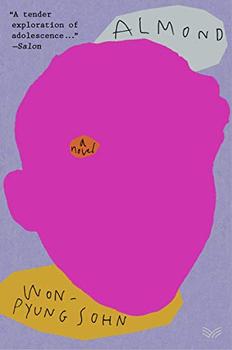
by Sohn Won-pyung
Published 2021
The Emissary meets The Curious Incident of the Dog in the Nighttime in this poignant and triumphant story about how love, friendship, and persistence can change a life forever.
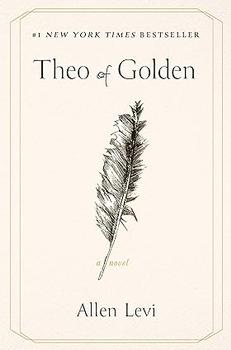
Theo of Golden by Allen Levi
One spring morning, a stranger arrives in the small southern city of Golden. No one knows where he has come from…or why…






Your guide toexceptional books
BookBrowse seeks out and recommends the best in contemporary fiction and nonfiction—books that not only engage and entertain but also deepen our understanding of ourselves and the world around us.

