
-
Your next favorite book
is waiting.

Modern Artists and the Quest to End Art
by Morgan Falconer
The strange story of the twentieth-century artists who sought to destroy art by transforming it into the substance of everyday life.
"Art has poisoned our life," proclaimed Dutch artist and De Stijl cofounder Theo van Doesburg. Reacting to the tumultuous crises of the twentieth century, especially the horrors of World War I, avant-garde artists and writers sought to destroy art by transforming it into the substance of everyday life. Following the evolution of these revolutionary groups, How to Be Avant-Garde charts its pioneers and radical ideas.
From Paris to New York, from Zurich to Moscow and Berlin, avant-gardists challenged the confines of the definition of art along with the confines of the canvas itself. Art historian Morgan Falconer starts with the dynamic Futurist founder Filippo Tommaso Marinetti, whose manifesto extolling speed, destruction, and modernity seeded avant-gardes across Europe. In turn, Dadaists Hugo Ball and Emmy Hennings sought to replace art with political cabaret, and the Surrealists tried to exchange it for tools to plumb the unconscious.
He guides us through the Russian Constructivists with their adventures in advertising and utopianism and then De Stijl with the geometric abstractions of Piet Mondrian. The Bauhaus broke more boundaries, transmuting art into architecture and design. Finally, the Situationists swapped art for politics, with many of their ideas inspiring the 1968 Paris student protests.
How to Be Avant-Garde is a journey through the interlocking networks of these richly creative lives with their visions of a better world, their sometimes sympathetic but often strange and turbulent conversations, and their objects and writings that defied categorization.
"With entertaining asides about his own experiences as critic, scholar, and maker of art, Falconer offers a vivid picture of the fervent efforts of artists questioning the meaning of art itself. A well-informed, spirited cultural history." —Kirkus Reviews (starred review)
"What is art for? How to Be Avant-Garde examines what happened when the horrors of World War I made it clear that the traditional answer - that it's for making rich people's homes nicer - could no longer apply. Maybe art's time was up? Maybe it should no longer exist at all? Why was art between the wars so vivid and interesting? Read How to Be Avant-Garde and find out." ―Ruth Brandon, author of Spellbound by Marcel: Duchamp, Love, and Art
"How to Be Avant-Garde can take its place alongside such mainstays as Roger Shattuck's The Banquet Years and Robert Hughes's The Shock of the New as a lively and thought-provoking survey of the twentieth century's most impactful contribution to cultural life." ―Mark Polizzotti, author of Why Surrealism Matters
This information about How to Be Avant-Garde was first featured
in "The BookBrowse Review" - BookBrowse's membership magazine, and in our weekly "Publishing This Week" newsletter. Publication information is for the USA, and (unless stated otherwise) represents the first print edition. The reviews are necessarily limited to those that were available to us ahead of publication. If you are the publisher or author and feel that they do not properly reflect the range of media opinion now available, send us a message with the mainstream reviews that you would like to see added.
Any "Author Information" displayed below reflects the author's biography at the time this particular book was published.
Morgan Falconer, a critic and art historian, teaches at Sotheby's Institute of Art. He is the author of Painting Beyond Pollock and has written for publications including the Times (UK), Frieze, the Economist, and Art in America. He lives in Queens, New York.

If you liked How to Be Avant-Garde, try these:

by Edouard Louis
Published 2025
An autobiographical novel from Édouard Louis, hailed as one of the most important voices of his generation—about social class, transformation, and the perils of leaving the past behind.
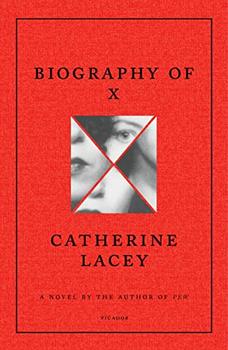
by Catherine Lacey
Published 2024
From one of our fiercest stylists, a roaring epic chronicling the life, times, and secrets of a notorious artist.
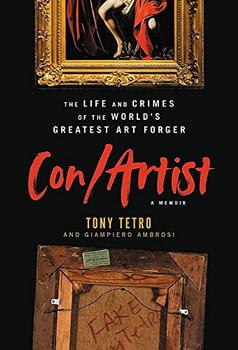
by Giampiero Ambrosi
Published 2022
The world's most renowned art forger reveals the secrets behind his decades of painting like the masters - exposing an art world that is far more corrupt than we ever knew while providing an art history lesson wrapped in sex, drugs, and Caravaggio.
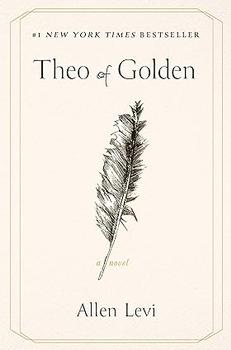
Theo of Golden by Allen Levi
One spring morning, a stranger arrives in the small southern city of Golden. No one knows where he has come from…or why…






Your guide toexceptional books
BookBrowse seeks out and recommends the best in contemporary fiction and nonfiction—books that not only engage and entertain but also deepen our understanding of ourselves and the world around us.

