
-
Your next favorite book
is waiting.

by Jing-Jing Lee
A beautiful, stunningly ambitious novel set in World War II Singapore about a woman who survived the Japanese occupation and a man who thought he had lost everything—for fans of Pachinko and We Were the Lucky Ones.
Singapore, 1942. As Japanese troops sweep down Malaysia and into Singapore, a village is ransacked, leaving only two survivors and one tiny child.
In a neighboring village, seventeen-year-old Wang Di is strapped into the back of a troop carrier and shipped off to a Japanese military brothel where she is forced into sexual slavery as a "comfort woman." After sixty years of silence, what she saw and experienced still haunts her.
In the year 2000, twelve-year-old Kevin is sitting beside his ailing grandmother when he overhears a mumbled confession. He sets out to discover the truth, wherever it might lead, setting in motion a chain of events he never could have foreseen.
Weaving together two time lines and two very big secrets, this stunning debut opens a window on a little-known period of history, revealing the strength and bravery shown by numerous women in the face of terrible cruelty. Drawing in part on her family's experiences, Jing-Jing Lee has crafted a profoundly moving, unforgettable novel about human resilience, the bonds of family and the courage it takes to confront the past.
A Library Journal "Emerging Stars" Pick
"A beautifully written, suspenseful story of redemption and healing." - Booklist (starred review)
"A compelling story of generations haunted by war and the silence surrounding their suffering." - Kirkus Reviews
"A heartbreaking but hopeful story about memory, trauma and ultimately love, How We Disappeared explores the impact of the Japanese invasion of Singapore on the local people, in particular on the hellishly misnamed Comfort Women." - New York Times
"A heartbreaking story told with such humanity and grace. The details of How We Disappeared are so vivid they return to me in dreams." - Marti Leimbach, author of Daniel Isn't Talking
"How We Disappeared is a masterpiece of story-telling. Evocative and heart rending...beautifully written, exquisitely crafted, and utterly compelling." - Mary Chamberlain, author of The Dressmaker's War
This information about How We Disappeared was first featured
in "The BookBrowse Review" - BookBrowse's membership magazine, and in our weekly "Publishing This Week" newsletter. Publication information is for the USA, and (unless stated otherwise) represents the first print edition. The reviews are necessarily limited to those that were available to us ahead of publication. If you are the publisher or author and feel that they do not properly reflect the range of media opinion now available, send us a message with the mainstream reviews that you would like to see added.
Any "Author Information" displayed below reflects the author's biography at the time this particular book was published.

If you liked How We Disappeared, try these:

by Han Kang
Published 2026
Han Kang's most revelatory book since The Vegetarian, We Do Not Part tells the story of a friendship between two women while powerfully reckoning with a hidden chapter of Korean history.

by Eve J.. Chung
Published 2025
A propulsive, extraordinary novel about a mother and her daughters' harrowing escape to Taiwan as the Communist revolution sweeps through China, by debut author Eve J. Chung, based on her family story.

by Wiz Wharton
Published 2025
Set between the last years of the "Chinese Windrush" in 1966 and Hong Kong's Handover to China in 1997, a mysterious inheritance sees a young woman from London uncovering buried secrets in her late mother's homeland in this captivating, wry debut about family, identity, and the price of belonging.
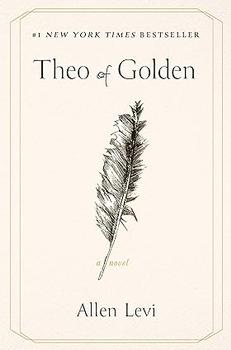
Theo of Golden by Allen Levi
One spring morning, a stranger arrives in the small southern city of Golden. No one knows where he has come from…or why…






Your guide toexceptional books
BookBrowse seeks out and recommends the best in contemporary fiction and nonfiction—books that not only engage and entertain but also deepen our understanding of ourselves and the world around us.

