
-
Your next favorite book
is waiting.
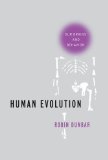
Our Brains and Behavior
by Robin Dunbar
The story of human evolution has fascinated us like no other: we seem to have an insatiable curiosity about who we are and where we have come from. Yet studying the "stones and bones" skirts around what is perhaps the realest, and most relatable, story of human evolution - the social and cognitive changes that gave rise to modern humans.
In Human Evolution: Our Brains and Behavior, Robin Dunbar appeals to the human aspects of every reader, as subjects of mating, friendship, and community are discussed from an evolutionary psychology perspective. With a table of contents ranging from prehistoric times to modern days, Human Evolution focuses on an aspect of evolution that has typically been overshadowed by the archaeological record: the biological, neurological, and genetic changes that occurred with each "transition" in the evolutionary narrative.
Dunbar's interdisciplinary approach - inspired by his background as both an anthropologist and accomplished psychologist - brings the reader into all aspects of the evolutionary process, which he describes as the "jigsaw puzzle" of evolution that he and the reader will help solve. In doing so, the book carefully maps out each stage of the evolutionary process, from anatomical changes such as bipedalism and increase in brain size, to cognitive and behavioral changes, such as the ability to cook, laugh, and use language to form communities through religion and story-telling. Most importantly and interestingly, Dunbar hypothesizes the order in which these evolutionary changes occurred - conclusions that are reached with the "time budget model" theory that Dunbar himself coined.
As definitive as the "stones and bones" are for the hard dates of archaeological evidence, this book explores far more complex psychological questions that require a degree of intellectual speculation: What does it really mean to be human (as opposed to being an ape), and how did we come to be that way?
"Starred Review. Dunbar's idea has gained in popularity among many scholars, and his narrative is so mesmerizing it may attract many general readers, too." - Publishers Weekly
"Readers who pay attention and do not skim the many graphs, tables, and statistics will discover a rich trove of discoveries on how primitive primates became modern humans." - Kirkus
This information about Human Evolution was first featured
in "The BookBrowse Review" - BookBrowse's membership magazine, and in our weekly "Publishing This Week" newsletter. Publication information is for the USA, and (unless stated otherwise) represents the first print edition. The reviews are necessarily limited to those that were available to us ahead of publication. If you are the publisher or author and feel that they do not properly reflect the range of media opinion now available, send us a message with the mainstream reviews that you would like to see added.
Any "Author Information" displayed below reflects the author's biography at the time this particular book was published.
Robin Dunbar is an evolutionary psychologist and former director of the Institute of Cognitive and Evolutionary Anthropology in the Department of Experimental Psychology at Oxford University. His acclaimed books include How Many Friends Does One Person Need? and Grooming, Gossip and the Evolution of Language, described by Malcolm Gladwell as "a marvellous work of popular science."

If you liked Human Evolution, try these:

by Cat Bohannon
Published 2025
The real origin of our species: a myth-busting, eye-opening landmark account of how humans evolved, offering a paradigm shift in our thinking about what the female body is, how it came to be, and how this evolution still shapes all our lives today
by David Graeber
Published 2023
A dramatically new understanding of human history, challenging our most fundamental assumptions about social evolution―from the development of agriculture and cities to the origins of the state, democracy, and inequality―and revealing new possibilities for human emancipation.
by Esther Woolfson
Published 2022
A landmark examination of the fraught relationship between humans and animals, taking the reader from Genesis to climate change.
Theo of Golden by Allen Levi
One spring morning, a stranger arrives in the small southern city of Golden. No one knows where he has come from…or why…






Your guide toexceptional books
BookBrowse seeks out and recommends the best in contemporary fiction and nonfiction—books that not only engage and entertain but also deepen our understanding of ourselves and the world around us.

