Page 1 of 1
There are currently 2 reader reviews for Cuba
Write your own review!
Hans van den Berg
Insight that I have longed for.
I have always wondered why people from the Western, cultivated, world had so negative a picture of Cuba.
Not democratic? Well, Castro had more people in Cuba that loved him then the president of the US had. Ferret makes clear that all of what Cuba got into, all of the bad things, was for the greater part the consequence of the sick morality of the US governments, even as they now seem to understand that Cuba is not for them. The country is thrashed by the neo-capitalist attitude from the US. No wonder things are bad for the people from Cuba.
I am glad that I can now, by having read this book, explain with authority what happened to this country.
 Anthony_Conty
You May Learn and Change Some Opinions
Anthony_Conty
You May Learn and Change Some Opinions
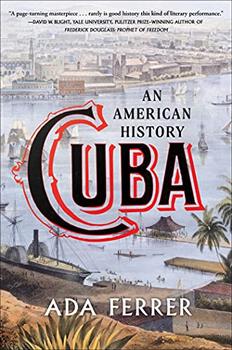
Americans consider everything in terms of how it relates to the United States. Cuba's history, however, connects to America so well that you could learn a lot by doing that. "Cuba: An American History" by Ada Ferrer starts with Columbus and ends with Castro, running through centuries of slavery, sugar plantations, and imperialism that history books touch upon in passing.
For the historically ignorant like me, you may not know Cuba's role in the slave trade and the abolition of slavery. They were a political football among those trying to curb expansion. Of course, our current media slant has stressed telling American stories positively, but you cannot explain our interactions with Cuba without both the good and the bad.
The 1930s served as the portion of the novel about which I knew the least. The rise of Batista after the stock market crash of 1939 showed how turbulent the world was then. The rise of Fidel Castro from law student and prisoner to a powerful, admired man will amaze you, since many factors made his ascent to power unlikely.
People have debated Marxism for generations, and it would not occur if there were not value in those theories; that said, you see a Cuba that depended on the United States and traded that dependency for an attachment to the Soviet Union. Castro's goals were ambitious, but he proved that the mission was not feasible for most countries in the modern world.
The reader leaves the book with new ideas about immigration, Communism, diplomacy, and trade. The embargo makes sense, and the advantages of open relations are evident. More to the point, we get a glimpse of the significance of the term "America" and why it holds such weight in our discussions of naming things. I am proud to be American!