
-
Your next favorite book
is waiting.
Summary | Excerpt | Reading Guide | Reviews | Beyond the book | Read-Alikes | Genres & Themes | Author Bio

A Novel
by Anna North Book Reviewed by:
In Anna North's new novel Bog Queen, American forensic anthropologist Alice Linstrom is brought to Ludlow, England, with a clear task: to identify the recently discovered body of a woman believed to have been killed fifty years ago. Almost immediately, however, Alice realizes that the case is far more complicated—instead of the expected murder victim, the body is that of a Celtic Iron Age woman who lived during the early years of the Roman Empire's occupation of Britain, approximately two thousand years ago. Due to the conditions of her burial—in the mossy peat bog that has fostered life in Ludlow for thousands of years—her body is nearly perfectly preserved, an incredible specimen that draws the attention of other experts.
Peat is an accumulation of decaying moss and other plant matter; in addition to its ability to preserve prehistoric bodies, it's also an incredibly efficient carbon sink, and its material has been used as fuel for thousands of years. That's all to say that peat is very important, as Alice soon finds—while she focuses on other historical evidence (relics, grave goods, or even more bodies) that might be stuck in the layers of moss, soil, and water of the bog, other parties are interested in the area for their own reasons. A local peat-cutting company seeks to extract fuel from the bog, then destroy it to build housing in the area; firmly opposed to this plan are a group of environmental activists, led by the charismatic Nicholas, who plan to camp around the bog to keep it safe from bulldozers. These two groups flit around the edges of Bog Queen, representing the urgency of present-day issues as a contrast, and complication, to Alice's interest in the past, while also threatening her work. If the fuel company drains the bog, any historical evidence will be destroyed; on the other hand, while Alice empathizes with the activists' environmental concerns, their demand that all archeological work stop would mean that Alice and other scientists couldn't excavate any other historical remnants.
Alice's chapters alternate with chapters from the perspective of the unnamed Bog Queen herself: a young Celtic druid (a member of a high-ranking priestly caste) who serves as a religious leader, medical professional, legal mediator, and political advisor. Like Alice, the druid's identity as a young, relatively inexperienced woman at first leads many people to underestimate her, but she proves over the course of the novel—as she explores new places and meets new people, including a king who seeks her counsel and alliance—to be a strong (and, later, renowned) spiritual and political leader.
North paints a vibrant, lively portrait of Celtic England, from small villages to large Roman cities, and also draws a parallel between the post-Brexit world of Alice's storyline and the rapidly globalizing, Romanizing world that the druid inhabits. Both young women travel to new places: Alice comes from the hot, dry American Southwest to England, and the druid leaves her cold, isolated village to meet the region's king in his urbanized capital city. When the druid arrives in Camulodunon (thought to be the oldest Roman town in Britain), she sees people in types of clothing she has never seen before, hears languages that she didn't know existed, and is introduced to a burgeoning world of mapmaking and exploration. From just her short visit, it's clear that this prehistoric society had just as many "sides" and conflicts as our modern world does.
There is one last "character" who provides their point of view: the moss itself speaks in short, poetic interludes between Alice and the druid's alternating chapters. From the beginning of the novel, the reader gets a sense of the everlasting nature of the natural landscape, a sense that increases throughout the book as it becomes clear that the moss is as important of a character as anyone else—perhaps even the most important. Bog Queen is, among other things, a deep exploration of the importance of settings, not just as the backdrops for our favorite stories but as active participants in and witnesses to the changes of history. The moss's longevity means that it has witnessed untold numbers of people's lives and deaths, and has become the final resting place for many of them:
"A colony of moss has no concept of the sacred or profane, good, evil, accident, or crime…We do not know what the humans expect, when they entrust a body to us, nor do we care. We give each one our kinship, our sanctuary, and when the time comes, we let it go."
Bog Queen is a beautifully conceptualized love letter to historical professions and the people whose lives they study (something this professional historian deeply appreciated!). More than excitement about potential anthropological developments, Alice feels relief and joy that she can understand more about the druid's short life and therefore lend it significance, two thousand years after the druid's death; she realizes that her work has helped her do "her part in a process stretching indefinitely forward in time" and that, despite her anxieties about her career and uncertainty about the world's political future, "she does not have to predict what the next part will look like, indeed she cannot predict it." Life's unpredictability is matched only by its longevity, Bog Queen posits; no matter what happens, the world will keep spinning and the moss will keep growing.
 This review
first ran in the October 22, 2025
issue of BookBrowse Recommends.
This review
first ran in the October 22, 2025
issue of BookBrowse Recommends.

If you liked Bog Queen, try these:
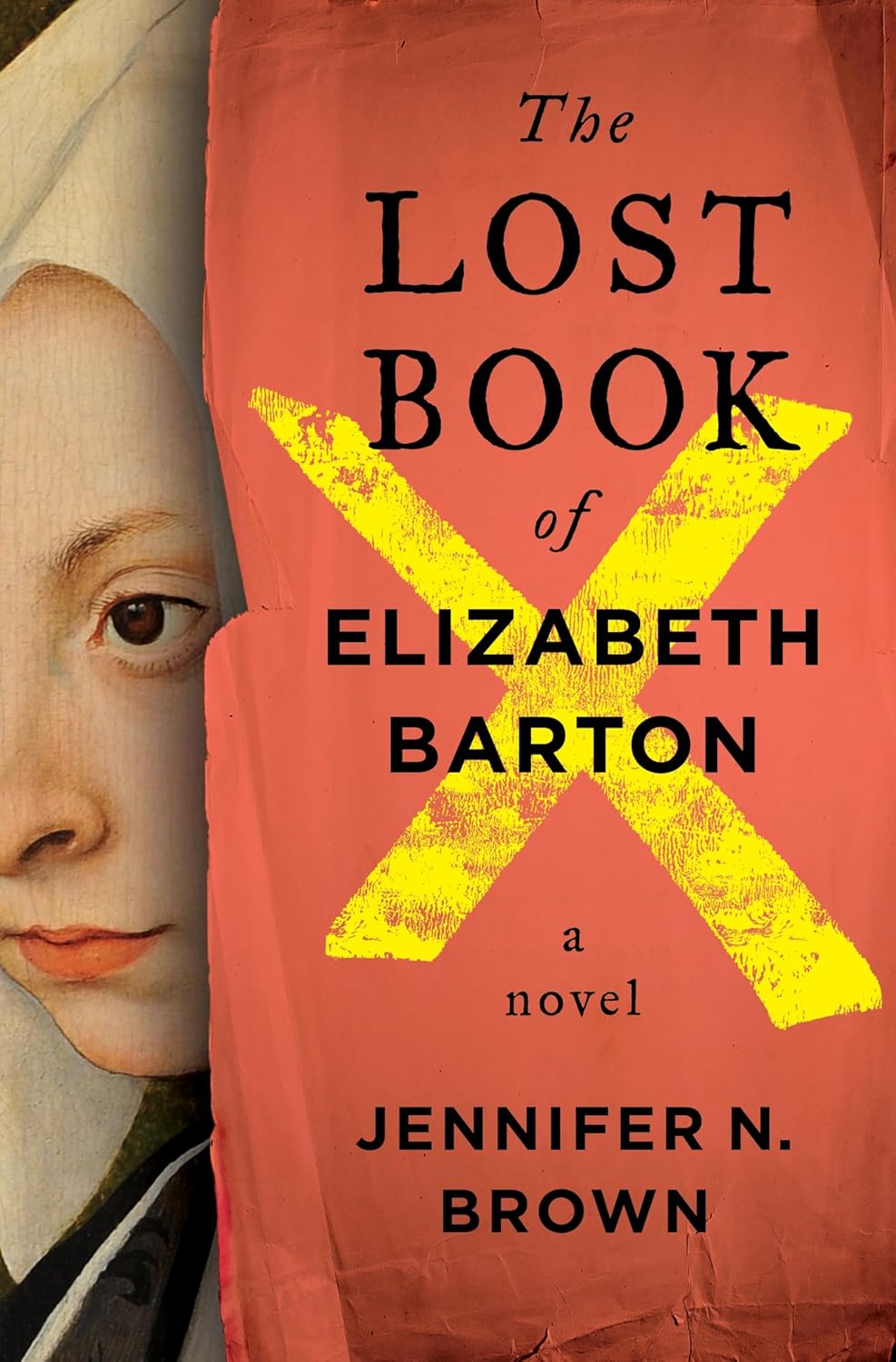
The Lost Book of Elizabeth Barton
by Jennifer N. Brown
Published 2026
A dual-timeline murder mystery set in an English country manor, when an ambitious professor discovers the long-lost manuscript of a Reformation-era prophetess.

by Katya Balen
Published 2026
When her life is unexpectedly upended, Anna escapes London – and her husband – for a remote cottage in the wetlands of rural England.
by Emilia Hart
Published 2024
Weaving together the stories of three extraordinary women across five centuries, Emilia Hart's Weyward is an enthralling novel of female resilience and the transformative power of the natural world.
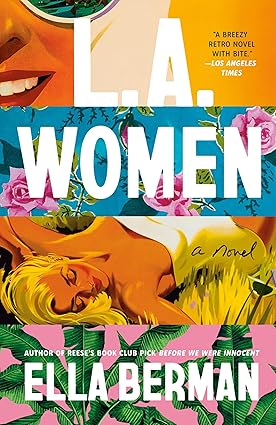
L.A. Women by Ella Berman
Two ambitious writers in 1960s LA face betrayal when one writes a novel based on the other's life.






Your guide toexceptional books
BookBrowse seeks out and recommends the best in contemporary fiction and nonfiction—books that not only engage and entertain but also deepen our understanding of ourselves and the world around us.

