
-
Your next favorite book
is waiting.
Summary | Excerpt | Reviews | Beyond the Book | Read-Alikes | Genres & Themes | Author Bio

A Novel
by George Saunders Book Reviewed by:
This article relates to Vigil

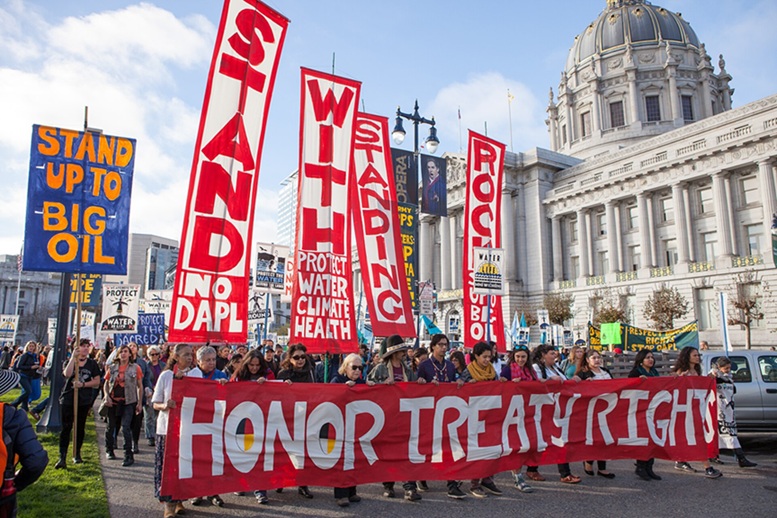 Oil and gas companies make the fuels that power our trips, deliver our groceries, keep the lights on in our houses and factories, and keep our hospitals running. However, they're also the largest contributor by far to pollution. They heat up the planet, dirty our air and seas, and ultimately destroy beyond repair our only home, the Earth. So we're faced with a dilemma: we rely on these companies every day, yet they impose an unfathomable cost.
The Bad...
Let's start with the obvious. The burning of fossil fuels creates carbon dioxide that retains the sun's heat within our atmosphere, contributing to global warming. Gas and oil-producing wells leak, releasing methane into the atmosphere. Refineries and petrochemical plants also release pollutants like sulphur dioxide, nitrogen oxides, and volatile organic compounds, which form smog and fine particulates that are damaging to inhale. Those tiny particles travel deep into our lungs and blood, raising risks of asthma, heart disease, stroke, and cancer. The potential for spills adds another layer: crude oil and refined fuels can poison wetlands, coastlines, and marine life for years, and clean-ups cannot restore ecosystems perfectly. Communities around drilling sites contend with noise, traffic, odors, and harmful emissions, and Indigenous communities and others that are made up of a majority of people of color are disproportionately exposed.
Finally, harm isn't only physical. In many cases, major oil companies fund deliberately misleading messaging. They sponsor studies that downplay or even deny environmental risks, amplifying doubt about climate science and shaping false narratives to protect their own interests. Thus, they actively distort public understanding, causing even greater damage long-term. By lobbying against stricter regulations and continuing to pursue new reserves, oil companies have delayed the transition to cleaner energy, locked in higher emissions for decades, and obscured the truth, making it harder for the public to advocate for cleaner energy sources and protection for the environment. In Vigil, this is clearly shown through Boone's past actions. He is explicitly described as having financed inaccurate studies on purpose to muddy the waters and downplay the harmful effects that his company has on the environment. This detail underscores one of the most grotesque aspects of the issue: Not only do these companies harm our planet irreversibly but they actively try to convince us that they don't.
The Good...
Oil and gas didn't become dominant by accident. A lot of energy is packed into a small, storable amount of liquid fuel. This makes it easier and cheaper to run our cars, enables global shipping, air travel, and most importantly, fuels ambulances, school buses, and other things we need to survive and thrive, like hospitals and medical equipment. Fossil fuels also provide the energy for cement, glass, and metal-making necessary for building our homes, and they help turn chemicals into plastic, synthetic rubber, and cleaning products. Our roads are made up of asphalt, a residue from the refining of crude oil, and the medical field depends on supplies like tubes, IV bags, syringes, gloves, as well as many pharmaceuticals and laboratory reagents made from petrochemical-derived materials. Agriculture is a major beneficiary as well. Ammonia fertilizer depends on natural gas, and diesel-powered vehicles (e.g., tractors, harvesters, trucks) have dramatically improved the speed of planting and harvesting crops, reducing the physical demands of growing food and increasing production.
...and Some Alternatives
Fortunately, there are various alternatives to using oil and gas. Using a combination of wind, solar, hydro, and nuclear energy with improved power distribution grids and larger systems for storing energy, we can provide electricity to our homes and businesses without burning fossil fuels. Electric vehicles (EVs) play an ever increasing role in reducing carbon emissions too, as electricity continues to get cleaner, making it possible for EVs to have lower full life cycle emissions than gasoline vehicles. Clean commercial electricity, paired with green hydrogen, can also provide non-fossil fuel energy for many industries. Finally, although it may be more difficult to find alternatives for airlines and large vessels, it is possible to reduce their gas emissions and other pollutants by improving existing technologies, developing cleaner fuels, and creating synthetic/bio-based fuels while we wait for technologies like hydrogen fuel cell and battery propulsion to reach larger scales.
To sum up, oil and gas companies play a contradictory role: they sustain our lives while also contributing to significant environmental, social, and health-related harms. Since we can ignore neither our dependence nor its consequences, the path forward is not abrupt elimination, but a smooth transition toward cleaner alternatives.
People protesting the Dakota Access Pipeline march past San Francisco City Hall in November 2015, photo by Pax Ahimsa Gethen, courtesy of Wikimedia Commons CC BY-SA 4.0
Filed under Society and Politics
 This article relates to Vigil.
It first ran in the May 6, 2026
issue of BookBrowse Recommends.
This article relates to Vigil.
It first ran in the May 6, 2026
issue of BookBrowse Recommends.

Theo of Golden by Allen Levi
One spring morning, a stranger arrives in the small southern city of Golden. No one knows where he has come from…or why…






Your guide toexceptional books
BookBrowse seeks out and recommends the best in contemporary fiction and nonfiction—books that not only engage and entertain but also deepen our understanding of ourselves and the world around us.


