
-
Your next favorite book
is waiting.
Summary | Excerpt | Reading Guide | Reviews | Beyond the Book | Read-Alikes | Genres & Themes | Author Bio

A Novel
by Charleen Hurtubise Book Reviewed by:
This article relates to Saoirse

In Saoirse by Charleen Hurtubise, the titular protagonist flees from the US to Ireland in the 1990s, escaping an abusive upbringing. When she becomes pregnant, she intends to do what Irish girls have done for decades—take a ferry to England to have an abortion. But when she realizes her stolen passport has expired, she is trapped with her unwanted pregnancy, as the procedure is not yet legal in Ireland, and won't be for years to come. The history of abortion in Ireland, and its legalization in 2018, is covered in another Beyond the Book article.
Lack of access to abortion is only one of the many obstacles faced by Saoirse, and millions of Irish women throughout history. While women living in Ireland today enjoy more freedoms and legal protections than their grandmothers did, many of these rights, like abortion, have only been secured very recently.
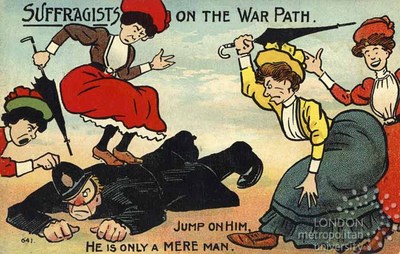
Like most Western countries, Ireland has a long patriarchal history, which is compounded by its largely Catholic and socially conservative demographics. Women have traditionally been viewed in Irish society as wives and mothers above all else, with a great deal of legislation governing their rights and bodily autonomy. Three main waves of feminism in Ireland have led to consistent reform, beginning in the early twentieth century.
The first wave focused on suffrage and political representation. During the 1916 Easter Rising, women played a significant role in fighting for Irish independence in their revolt against Britain. Constance Markievicz was one such woman—she joined the Irish Citizen Army and later became the first woman elected to the House of Commons. Heavily involved in the women's suffrage movement, Markievicz was one of many to fight for the right to vote, which was achieved (for some women) in 1918.
The second wave of Irish feminism took place in the 1970s and focused on women having equal opportunities in the workplace. The biggest obstacle to this was the Marriage Bar, which prohibited married women from being hired in the public sector. Due to the efforts made by various women's groups, the Marriage Bar was lifted in 1973, with further rights being granted later in the decade, including equal pay and anti–gender discrimination laws.
The focus of the third wave of feminism, in the contemporary era, has largely been on bodily autonomy, criminalizing female genital mutilation, and repealing the ban on abortion.
Here is a timeline featuring significant developments in women's rights in Ireland over a century:
While Ireland has made strides in feminist advancements, women remain underrepresented in the political sphere, making up only 25% of parliament—the lowest percentage in western Europe for women's representation in national legislatures. Still, Ireland has demonstrated a slow shift to more liberal social attitudes, and with more and more people embracing feminist ideologies, the future for women in Ireland is looking much brighter.
Irish anti-suffrage comic card circa 1907-1918 by Millar & Lang Ltd, courtesy of The Women's Library: Suffrage Collection and Wikimedia Commons CC BY 3.0
Filed under Places, Cultures & Identities
 This article relates to Saoirse.
It first ran in the February 25, 2026
issue of BookBrowse Recommends.
This article relates to Saoirse.
It first ran in the February 25, 2026
issue of BookBrowse Recommends.

L.A. Women by Ella Berman
Two ambitious writers in 1960s LA face betrayal when one writes a novel based on the other's life.






Your guide toexceptional books
BookBrowse seeks out and recommends the best in contemporary fiction and nonfiction—books that not only engage and entertain but also deepen our understanding of ourselves and the world around us.


