Polly Shine's arrival at the Satterfield's plantation is a remarkable sight to the slaves in Jonathan Odell's
The Healing as she was a "bought" slave, not bred on the plantation, and she was a costly purchase. Their astonishment continues when, soon after her arrival, she starts to give orders regarding the slaves' health and the Master goes along with them. While slave healers were relatively common in the antebellum South, it was unusual for an owner to encourage one. According to
Working Cures: Healing, Health and Power on Southern Slave Plantations (which Odell says he relied on heavily for his research) white doctors usually treated plantation slaves. Indeed some doctors specialized in slaves just as a vet today might specialize in treating livestock; and just like a farm vet today, a doctor treating a slave would focus his attention on the slave-owner's business objectives. In short, the doctor's priorities were to increase endurance, resale value and yield (live births). The emotional needs of the slaves were immaterial.
Thus, due to the prevalence of abuse, poor living conditions, and poor diet, slave healers found themselves not just dealing with their compatriots' physical needs but their emotional ones as well. In
The Healing, Polly Shine's encouraging words at the end of her treatments illuminates the power of emotional support slave healers could provide their patients. The medicine used by slave healers was also different from that of white doctors, as illustrated by Polly Shine's emphasis on natural remedies.
Slave healers possessed special knowledge of herbs and roots that some believed was passed down and others believed was inborn. If these remedies didn't work then it was often assumed that the illness was caused by witchcraft, and the patient was referred to a conjurer, who was believed to have supernatural powers. (In
The Healing, the rumors surrounding Polly Shine and her invocation of supernatural means to cure patients reflects a general suspicion that she dabbled in witchcraft.)
One
WPA interview includes a story by a former slave who reveals the recipe for the antidote to the Hell Fire Gun curse - a device that was created from newspaper, sulphur, old paper, gun powder, and a tub of old rags. The interviewed slave specified that no one would have the specific training to make one of these except the local root doctor or slave healer.
Due to the slave healers' special skills (read: power), their feared dabbling in witchcraft, and their proven usefulness in keeping the slave population in working condition, a complicated relationship existed between slave healers and whites. According to an essay entitled
Bodies of Knowledge: The Influence of Slaves on the Antebellum Medical Community by Sarah Mitchell Cotton, in Virginia in October 1748, a law was passed that prevented the black population from administering medical aid:
Whereas many negroes, under the pretence of practising physic, have prepared and exhibited poisonous medicines, by which many persons have been murdered, and others have languished under long and tedious indispositions, and it will be difficult to detect such pernicious and dangerous practices, if they should be permitted to exhibit any sort of medicine. Be it therefore enacted, by the authority aforesaid, That if any negroe, or other slave, shall prepare, exhibit, or administer any medicine whatsoever, he, or she do offending, shall be adjudged guilty of felony, and suffer death without the benefit of clergy.
However, despite the ambivalence about slave medicine and some concern that poison or witchcraft was involved, amendments were made to this law that allowed slave healers to practice medicine legally as long as the intentions of the slave healers were good. (Slave healers labeled as "bad" were ultimately subjected to whippings but not death.) "By not sentencing a slave to death, the court accomplished several aims. It punished the slave, yet allowed the slave owner to continue to utilize the slave's services. It also theoretically deterred the slave from practicing medicine independent of the master's explicit instructions."
Presumably, it was up to the slave holders to determine the "goodness" of the slave healer and their medicine, and, though it was controlled, white masters (and the laws they created) continued to allow medicinal knowledge to be held by slaves because it was clearly too beneficial for it to be otherwise.

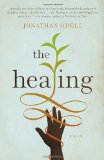
 Book Reviewed by:
 This "beyond the book article" relates to The Healing. It originally ran in February 2012 and has been updated for the
November 2012 paperback edition.
Go to magazine.
This "beyond the book article" relates to The Healing. It originally ran in February 2012 and has been updated for the
November 2012 paperback edition.
Go to magazine.