
-
Your next favorite book
is waiting.
Also: Don’t beat around the bush. The idiom means to get to the point; stop dilly-dallying and say what you mean.
This phrase was originally literal, and referred to a medieval English hunting practice. When wealthy individuals would go shooting for game birds (pheasants, quail, grouse) they’d hire someone to physically beat the bushes with a stick, flushing the birds from cover (a technique still sometimes employed today).
Very early on, the phrase referring to the practice was used figuratively and took on a negative connotation. Some sportsmen considered this a lazy way to hunt – the person didn’t need to chase or even locate their prey. Someone else did all the work, they just pointed the gun and shot. Others took issue with the way the servants performed this task, beating about the bush rather than wading into a thicket, thereby doing the task unproductively (although this was safer, as sometimes the bushes hid dangerous animals like wild boar). In either case, the saying’s initial meaning was doing things inefficiently or lazily.
Its first appearance in print comes to us from the poem, Generydes – A Romance in Seven-line Stanzas
(1440), making beating about the bush one of the oldest known non-Biblical idioms in the English language. The anonymous author writes:
Butt as it hath be sayde full long agoo,
Some bete the bussh and some the byrdes take.
Imitacyon of autours without preceptes & rules is but a longe betynge about the busshe & losse of tyme to a yonge beginner.
(“Imitation of authors without precepts and rules is but a long beating about the bush and loss of time to a young beginner.”)
He bet about the bush, whyles other caught the birds.
From the context, it's clear the author means one person is doing all the work while another reaps the benefits.More expressions and their source
Challenge yourself with BookBrowse Wordplays
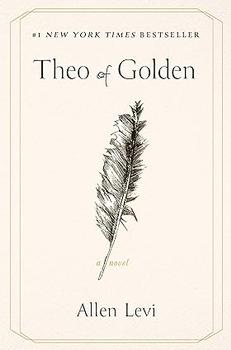
Theo of Golden by Allen Levi
One spring morning, a stranger arrives in the small southern city of Golden. No one knows where he has come from…or why…






Your guide toexceptional books
BookBrowse seeks out and recommends the best in contemporary fiction and nonfiction—books that not only engage and entertain but also deepen our understanding of ourselves and the world around us.

