-
Your next favorite book
is waiting.
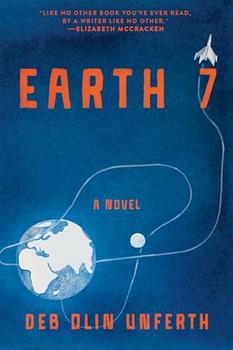
A Novel
by Deb Olin Unferth Book Reviewed by:
An end-of-the-world love story, an epic full of pathos and humor, asking what can be saved of our planet.
Well, that's about it for the story of planet Earth, poor Earth, reduced to not much more than a piece of burnt coal. But, as Deb Olin Unferth shows in her latest electrifying novel, life and love persist, even in the most unexpected, inhospitable places.
Two women meet on a beach of artificial sand. One was raised in a pod in the ocean and the other may or may not be a robot. Their love―or any love―seems so unlikely. Earth is severely depopulated. Some people have given up, gone off to Mars. Others pursue eternal life as digital code. And yet others, like Dylan and Melanie, are holdouts―and some of those holdouts are constructing a vast molecular collection in hopes that a future person may be alive to make a new Earth. Foolhardy? Misguided? Quixotic? Probably. But what can a human (or a robot) do?
By the end of Unferth's wild, poetic, revelatory, and slyly philosophical novel, the reader has traveled to the very edges of the cosmos as a "soul globule" and between grains of sand as a microscopic tardigrade. A slim book tackling big questions (is all matter conscious? will we tech ourselves into salvation, or out of existence?), Earth 7 is a poignant inquiry into death, mourning, and indefatigable life, the most exhilarating work to date by one of our most original and beloved writers.
Both mother and daughter get the escape they want. But, like the novel only starting after it's too late to save Earth, the most exciting changes in Dylan's life happen after she achieves her goal, and her journey is laid out in the sharp, evocative style that makes Deb Olin Unferth a master of the craft... this is Unferth's best work yet...continued
Full Review
(840 words)
This review is available to non-members for a limited time. For full access,
become a member today.
(Reviewed by Margaret Belford).
 Jonathan Miles, author of Eradication
Earth 7 begins where most love stories would give up: with the world already gone. In the tradition of Ursula K. Le Guin, Unferth uses the machinery of speculative fiction to ask the oldest questions... . A heart-cracking, mind-expanding, and exhilarating novel.
Jonathan Miles, author of Eradication
Earth 7 begins where most love stories would give up: with the world already gone. In the tradition of Ursula K. Le Guin, Unferth uses the machinery of speculative fiction to ask the oldest questions... . A heart-cracking, mind-expanding, and exhilarating novel.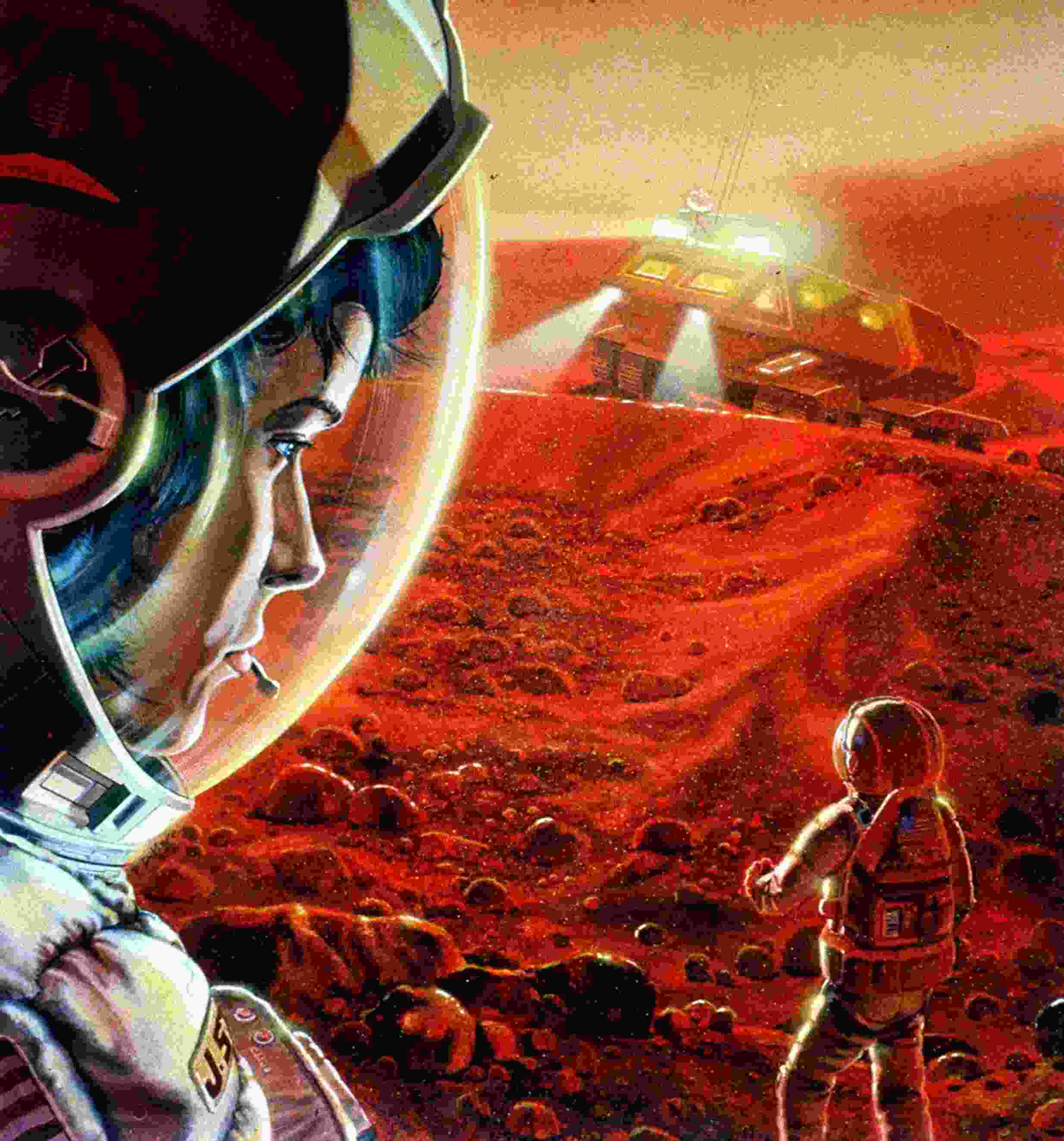 The title of Earth 7 raises the question, right away, of more than one Earth. "Earth 7" is not another planet, however; in the book, that name refers to a collection of Earth "traces," the preserved genetic materials of various Earth lifeforms. The people of Mars are intent on collecting these traces, so they might be able to mimic Earth-like life and conditions on their new planet. A small spoiler: their success is limited.
On our Earth, the question of settling outer space and escaping this rapidly-warming planet is hotly debated. Elon Musk's SpaceX, in the company's IPO filing, says that its mission is the "establishment of a permanent human colony on Mars with at least one million inhabitants" in order to create "species-level ...
This "beyond the book" feature is available to non-members for a limited time. Join today for full access.

If you liked Earth 7, try these:

by Yume Kitasei
Published 2026
From the acclaimed author of The Stardust Grail comes the epic tale of two sisters who sail across oceans to find their missing third sister―and Earth's environmental salvation.

by Portia Elan
Published 2026
Five interlocking lives. One beloved story. A dazzling adventure across centuries and continents in search of the things that hold us together.

by Samantha Harvey
Published 2024
A slender novel of epic power, Orbital deftly snapshots one day in the lives of six women and men hurtling through space - not towards the moon or the vast unknown, but around our planet.
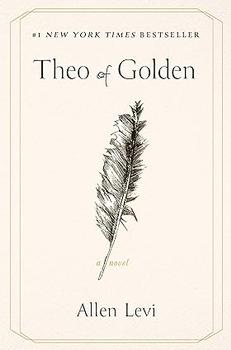
Theo of Golden by Allen Levi
One spring morning, a stranger arrives in the small southern city of Golden. No one knows where he has come from…or why…