Summary | Excerpt | Reading Guide | Reviews | Beyond the book | Read-Alikes | Genres & Themes | Author Bio
Critics' Opinion:
Readers' Opinion:
First Published:
Sep 2008, 352 pages
Paperback:
Oct 2009, 368 pages
 Book Reviewed by:
Lucia Silva
Buy This Book
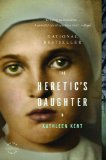
It was a terrible time, when charity and mercy and plain good
sense were all thrown into the fire of zealotry, covering
everyone left living with the bitter ash of regret and blame.
The events of 1692 are well-trod ground even for those who slept through
history class. Grisly, sensational, and safely far away in time, the Salem witch
trials are easily one of the most popular topics for school reports. Like many
events sketched repeatedly in thumbnail fashion, the witch trials have become a
caricature, a short-hand reference for fanaticism and the darker passages of
America's colonial history. So it speaks to the strength of Kathleen Kent's
writing that each page of The Heretic's Daughter erased more and more of
the schoolbook history I thought I knew. I could not put this book down, and
finished it all in one long, nerve-wracking, soul-wrenching gulp even though I
knew what would happen before I even cracked the cover.
The story is told through the voice of Martha Carrier's daughter, Sarah, as
she sets down her family's history for her granddaughter sixty years later in 1752.
At age
10 and at 71, Sarah is whip-smart, eloquent, fiery, and deeply perceptive, and it's her
voice that makes this novel come alive. Kent shapes Sarah's adult narration with
a vivid memory of her childhood observations and an ear for resonant metaphors,
allowing the quiet beauty of her prose to slow down the impending fate of her
characters. The dramatic events of Sarah's childhood usher her into young adulthood, and her innocence quickly sours as her family suffers from their neighbors' hypocrisy and capacity for cruelty.
Kent's rich portraits of smart, outspoken Martha Carrier and her equally
headstrong daughter, both dangerously out of line in Puritanical New England,
carry the history from textbook to living memory. She paints a complex picture
of late 17th century colonial American towns ruled by their reverends
and townspeople without the quintessential American rights of due process and
equality before the law. Indian attacks, shifting alliances, and harsh
conditions conjure a palpably tense atmosphere, brought to a fever pitch by
xenophobia, mass-hysteria, abuse of power, and the appropriation and
manipulation of religion. Through the narrative's startling and often disturbing
realism, Kent gives the distant past an eerily contemporary feel. The
Heretic's Daughter is a deeply moving book that speaks to our past, and our
present, in unexpected and haunting ways.
The author's website, with a family genealogy and link to a video interview.
 This review was originally published in The BookBrowse Review in October 2008, and has been updated for the
November 2009 edition.
Click here to go to this issue.
This review was originally published in The BookBrowse Review in October 2008, and has been updated for the
November 2009 edition.
Click here to go to this issue.

If you liked The Heretic's Daughter, try these:
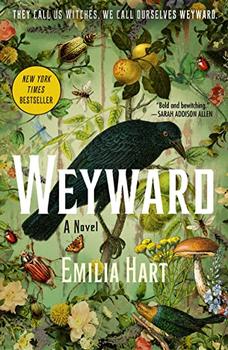
by Emilia Hart
Published 2024
Weaving together the stories of three extraordinary women across five centuries, Emilia Hart's Weyward is an enthralling novel of female resilience and the transformative power of the natural world.
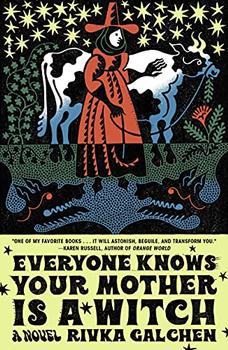
Everyone Knows Your Mother Is a Witch
by Rivka Galchen
Published 2022
The startling, witty, highly anticipated second novel from the critically acclaimed author of Atmospheric Disturbances.

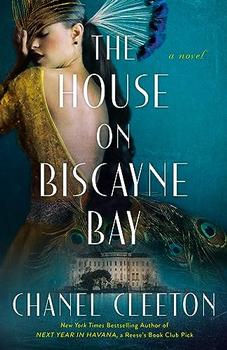
The House on Biscayne Bay
by Chanel Cleeton
As death stalks a gothic mansion in Miami, the lives of two women intertwine as the past and present collide.
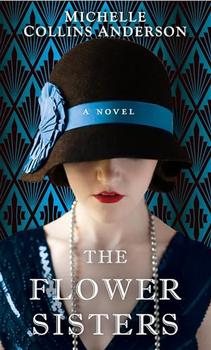
The Flower Sisters
by Michelle Collins Anderson
From the new Fannie Flagg of the Ozarks, a richly-woven story of family, forgiveness, and reinvention.
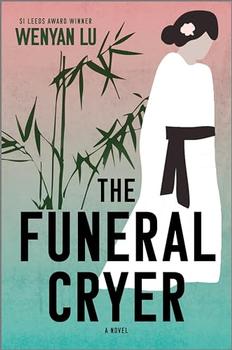
The Funeral Cryer by Wenyan Lu
Debut novelist Wenyan Lu brings us this witty yet profound story about one woman's midlife reawakening in contemporary rural China.
Your guide toexceptional books
BookBrowse seeks out and recommends the best in contemporary fiction and nonfiction—books that not only engage and entertain but also deepen our understanding of ourselves and the world around us.