
-
Your next favorite book
is waiting.
It’s that time again. That time when we bring you a glimpse into the books we’re most excited about for the rest of the year, starting with the first ones publishing in July and looking ahead to December. 2026 has already been exciting for books, and the second half is looking especially enticing. Below we have a wide range of contemporary and historical fiction, mysteries and thrillers to keep you up at night, speculative works that reckon with past, future, and parallel worlds, and nonfiction to reckon with the current one. Watch out for these books in our upcoming e-zines, and in our First Impressions program and book club discussions.
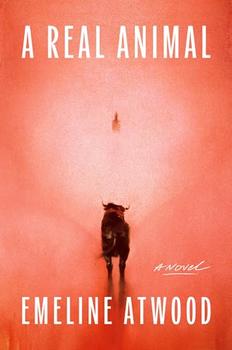
Jul 2026. 368 pages
Published by Catapult
In this unforgettable debut, a moment of metaphysical transformation launches a woman's beautiful and terrifying journey through her twenties, through loneliness and complicated love that takes her from the depths of the Pacific Ocean to the plains of Texas.
Why we're looking forward to it: This coming-of-age story exploring the intensity of the human experience feels like a perfect read for the middle of summer.
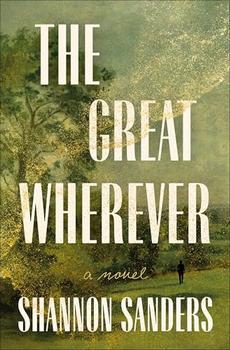
Jul 2026. 416 pages
Published by Henry Holt and Company
The dead are relentless gossips, or at least these dead are.
An impulsive and heartbroken woman inherits her father's share of a Tennessee farm that is rich in family secrets and occupied with busybody ghosts in this sweeping family portrait.
Why we're looking forward to it: This cleverly narrated story held together by ghosts is a brilliant exploration of family history and narrative itself.
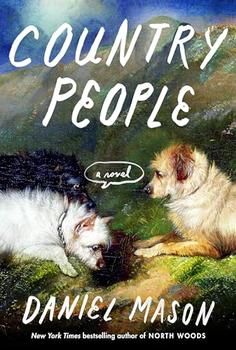
Jul 2026. 336 pages
Published by Random House
A year in the life of a family as they strike out into the unknown (aka Vermont), leaving all the comforts of home behind—a rollicking, lyrical novel from Pulitzer Prize finalist Daniel Mason, the bestselling author of North Woods and one of America's greatest living writers.
Why we're looking forward to it: Mason's North Woods was a BookBrowse favorite. Now, here comes the whimsical story of a family who relocates from California to Vermont and the eccentric world they find there.
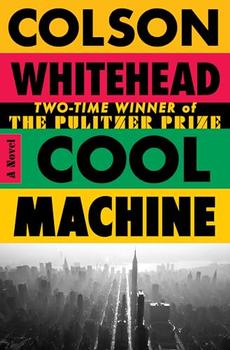
Jul 21, 2026. 368 pages
Published by Doubleday
From #1 New York Times bestselling author and two-time Pulitzer winner Colson Whitehead, an exuberantly entertaining novel that brings to life 1980s New York in the magnificent final volume of his Harlem Trilogy.
Why we're looking forward to it: Ray Carney, who thinks it’s harder to find a good coffee table than fall in love, proves to be a compelling character from the start in Whitehead’s latest.

Jul 28, 2026. 368 pages
Published by Knopf
From the beloved, award-winning author of the culture-changing hits Lost Children Archive and Tell Me How It Ends comes her most powerful and page-turning novel yet: the tale of a mother and daughter traveling together after the collapse of a marriage and the dissolution of their traditional family structure.
Why we're looking forward to it: The story of a mother and daughter traveling through Sicily and an examination of both beginnings and endings, this book shows similarities to Lost Children Archive and promises to be as impressive.

Aug 4, 2026. 136 pages
Published by Graywolf Press
A groundbreaking new direction for Claudia Rankine, the best-selling author of Citizen and Just Us.
Why we're looking forward to it: A new work from Claudia Rankine is always exciting, and we can’t wait to see where this portrayal of a complicated friendship takes us.
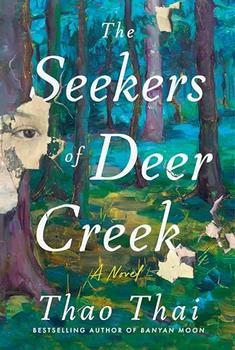
Aug 4, 2026. 320 pages
Published by Mariner Books
From the national bestselling author of Banyan Moon, a captivating, evocative story of two estranged sisters on a quest to find a painting by a forgotten Vietnamese artist that holds the truth of their family's fractured past.
Why we're looking forward to it: Another enticing-looking offering from the author of Banyan Moon. And who doesn’t love a good art mystery?
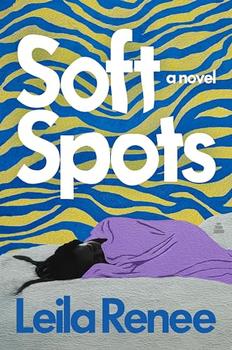
Aug 4, 2026. 352 pages
Published by Amistad
Raven Leilani's Luster meets Halle Butler's The New Me, Soft Spots is a darkly funny and off-kilter coming-of-age novel following recent college graduate Robin Clarke after she runs away from her family, only to be forced to confront whether she should reconcile with her father when his health takes a sudden turn for the worst.
Why we're looking forward to it: This sounds like the best kind of charmingly weird coming-of-age story.
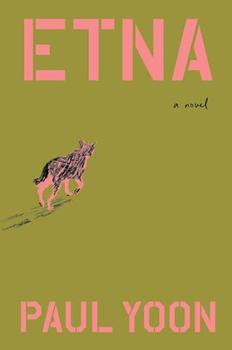
Aug 4, 2026. 208 pages
Published by Scribner
Beloved author and winner of The Story Prize, Paul Yoon, is back with the unforgettable story of a working dog, Etna, who, after a devastating war, embarks on an odyssey in the hopes of returning home.
Why we're looking forward to it: “Not only does Yoon pull off a fresh take on well-worn Homeric themes and convincingly capture a dog’s perspective,” says Publishers Weekly, “but he offers subtle and resonant insights on the nature of faith, which might not always provide salvation but can be enough to keep people (and dogs) going.”
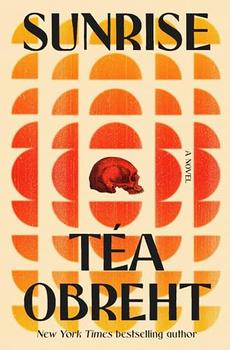
Aug 11, 2026. 336 pages
Published by Random House
Three lives, one hundred years, one ghost town: an explosive novel about a mysterious place called Sunrise, where the secrets of the past refuse to stay buried, from the New York Times bestselling author of The Tiger's Wife.
Why we're looking forward to it: A mysterious Old West town and buried historical secrets beckon.
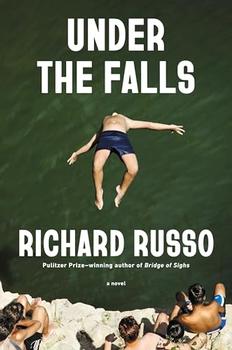
Aug 11, 2026. 256 pages
Published by Knopf
The Pulitzer Prize–winning author of Empire Falls returns with his first stand-alone novel since Chances Are ... —a spellbinding page-turner about a crime in a small town that exposes long-held secrets and betrayals among a group of lifelong friends.
Why we're looking forward to it: Library Journal calls it “another winner from an author who seemingly cannot write a bad sentence.”
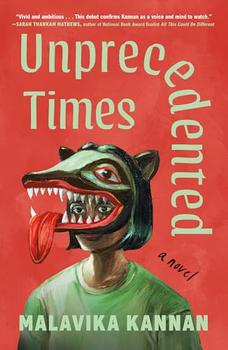
Aug 18, 2026. 352 pages
Published by Henry Holt and Company
Malavika Kannan establishes herself as an inimitable voice of Gen Z in this piercing coming-of-age debut novel.
Why we're looking forward to it: This bold debut takes on the fraught and necessary topic of coming of age in the age of Covid. Booklist writes, “A sparkling work of fiction, this story feels like pages ripped straight from your funniest friend's diary.”
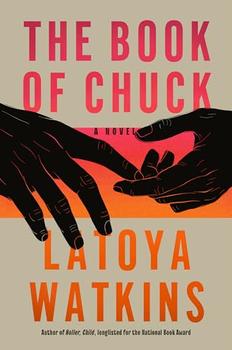
Aug 18, 2026. 304 pages
Published by Tiny Reparations
An extraordinary new novel about family, legacy, and an inherited curse, from National Book Award–nominated author LaToya Watkins.
Why we're looking forward to it: Another sprawling family saga from LaToya Watkins, another surefire stunner from Tiny Reparations.
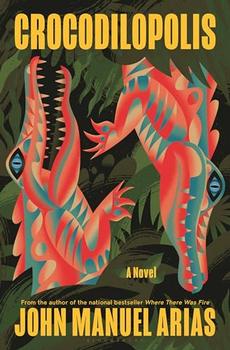
Aug 25, 2026. 320 pages
Published by Bloomsbury Publishing
From the author of national bestseller Where There Was Fire comes a gripping tale of sibling rivalry, family secrets, and the fate of a nation.
Why we're looking forward to it: Sibling rivalry? A powerful political family? We hope the screen adaptation is already underway.
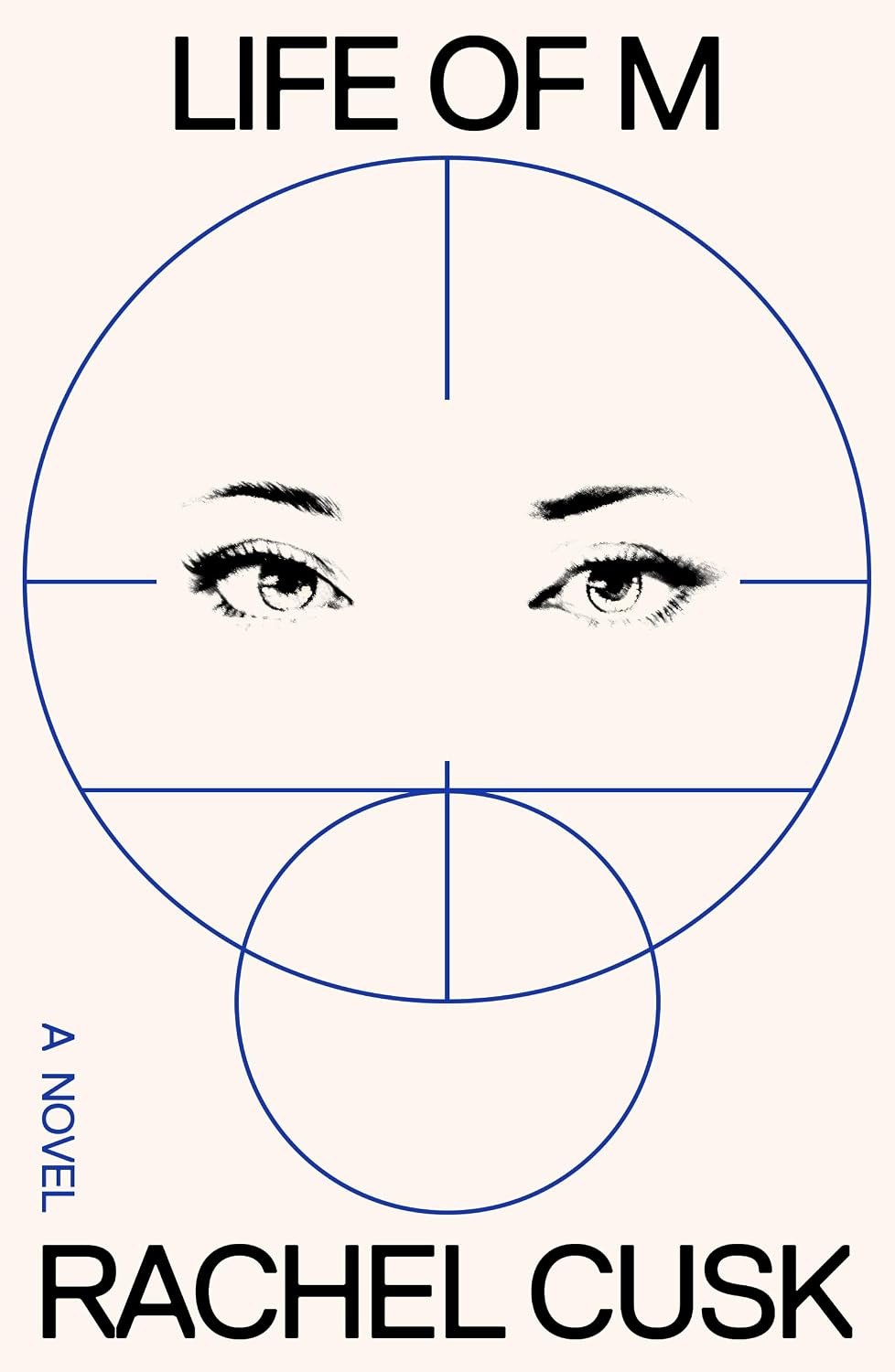
Aug 25, 2026. 192 pages
Published by Farrar, Straus & Giroux
From the critically acclaimed author of the Outline trilogy, an irresistible novel of fame, power, beauty, and truth―and a blazing renovation of the form.
Why we're looking forward to it: An author whose works are now always anticipated, Cusk ponders fame, identity, and the modern world here.
Aug 25, 2026. 256 pages
Published by Knopf
From the bestselling author of Everything Inside comes a vivid, timely story, moving from Haiti to Brooklyn to Miami, of a woman whose sense of self and family are called into question when she gets caught in a random act of violence one sunny Florida day.
Why we're looking forward to it: Publishers Weekly writes of the latest venture from this celebrated writer, “Danticat delivers a resounding testament to the strength gained by sharing, whether in celebration, fear, grief, or family memories.”
Sep 1, 2026. 640 pages
Published by Riverhead Books
From Marlon James, author of the Booker Prize–winning A Brief History of Seven Killings: a propulsive novel about the murder of a gay man in 1980s Jamaica and its tragic consequences.
Why we're looking forward to it: The latest novel from Marlon James brings modern history to life, and Kirkus observes the “same affinity for Dickensian storytelling he’s shown in his sword-and-sorcery epics.”
Sep 29, 2026. 304 pages
Published by Summit Books
A mysterious accident along a country road sparks an awakening and an investigation in Pulitzer Prize–winning playwright and acclaimed novelist Ayad Akhtar's most daring work yet—a visionary novel of spiritual transformation in an age of fracture—"bordering at times on the ineffable" (Mary Gaitskill, bestselling author of Bad Behavior).
Why we're looking forward to it: Publishers Weekly calls this novel from Akhtar, author of Homeland Elegies, Disgraced, and American Dervish, “an intense and transcendent philosophical novel about the limits of words.”
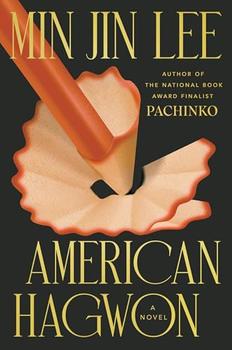
Sep 29, 2026. 656 pages
Published by Cardinal
At last, the National Book Award finalist and NYT bestselling author of Pachinko returns with a breathtaking contemporary epic: Min Jin Lee has written a masterpiece by turns sweeping and intimate, one that reckons with ambition and moderation, lust and loyalty, personal dreams and familial duty.
Why we're looking forward to it: After the popularity of Pachinko, readers and book clubs will be itching to get their hands on this family saga from Lee, which follows a couple and their children from Seoul to Sydney to Southern California after the Asian financial crisis.
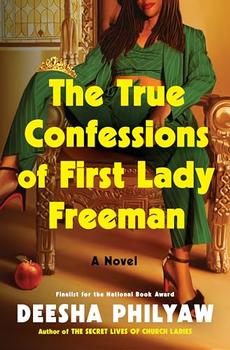
Sep 29, 2026. 432 pages
Published by Mariner Books
The wife of a popular and powerful megachurch pastor upends her charmed "rags-to-Rolex" life when her secret past comes roaring into the spotlight—in this "funny and juicy and sexy and delicious peek behind the pulpit" (Samantha Irby) from the acclaimed and beloved author of The Secret Lives of Church Ladies.
Why we're looking forward to it: Philyaw’s fantastic, multi-award-winning debut short story collection The Secret Lives of Church Ladies has made her first novel almost impossible to wait for.
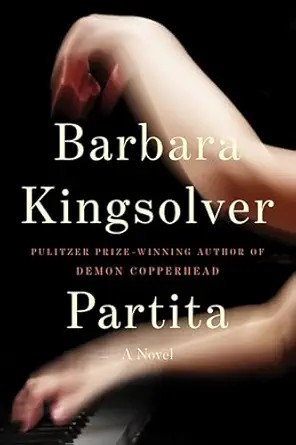
Oct 6, 2026. 352 pages
Published by Harper
A deeply moving new novel about life and art from one of America's greatest writers.
Why we're looking forward to it: This story of a former pianist who finds herself back in contact with an old lover promises to be trademark Kingsolver and a fast reader favorite.
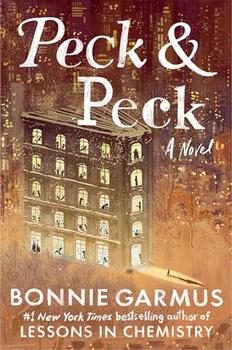
Oct 13, 2026. 432 pages
Published by Scribner
The number one bestselling author of global sensation Lessons in Chemistry returns with an irresistible, delightful, and tender story about a young man whose life turns upside down when he is hired by the most prestigious, secretive, and dysfunctional poetry journal in the world: the renowned Peck & Peck of New York City.
Why we're looking forward to it: “There's a lot of crazy stuff going on,” Garmus has said, according to People magazine, of her latest novel, about a young man who goes to work for strange-sounding poetry journal. First of all, it's Bonnie Garmus, and second of all, we really have to find out exactly what is going on here.
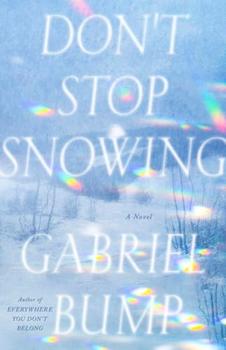
Nov 10, 2026. 240 pages
Published by Algonquin Books
A deeply personal and funny novel from the winner of the Ernest J. Gaines Award, about embracing one's own troubled self, demons and all, for readers of Percival Everett, Kevin Wilson, and Brandon Taylor's The Late Americans.
Why we're looking forward to it: “This novel is quieter, more introspective, than my previous books. Like a long winter walk through six inches of fresh snow,” Bump told the Chicago Review of Books. Certainly an appropriate read for November.
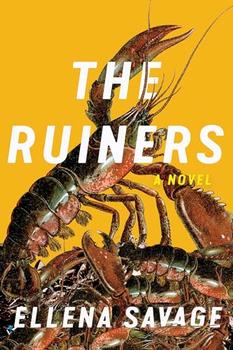
Dec 1, 2026. 288 pages
Published by Catapult
A sexy, cerebral eco-thriller following a young couple who purchase a decrepit house on an environmentally ravaged Greek island, to disastrous personal and political consequences.
Why we're looking forward to it: An eco-thriller set on a Greek island, no matter how rough the surroundings, will probably seem pretty nice come December, and this debut sounds quirky in a good way.
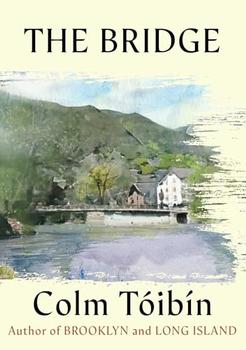
Dec 1, 2026. 160 pages
Published by Scribner
A brand-new, long story from Tóibín that picks up where A Long Winter ends, with an afterword by the author on the enduring presence of the characters in these stories—in a beautiful stand-alone edition.
Why we're looking forward to it: This new story from Tóibín, set in the Catalan Pyrenees, should make a wonderful holiday gift for any serious readers in one's life.
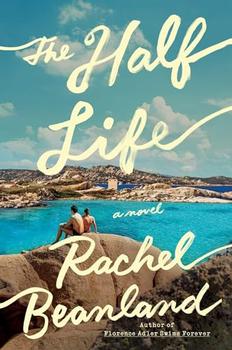
Jul 14, 2026. 480 pages
Published by Simon & Schuster
From the author of Florence Adler Swims Forever and The House Is on Fire, a novel set on a remote Italian island about a navy wife's reckoning with power, love, and the price of staying silent in the Atomic Age.
Why we're looking forward to it: Beanland’s latest historical novel explores America’s military past and the moral struggles of a U.S. Navy wife in a story that sounds both timely and informative for curious readers.
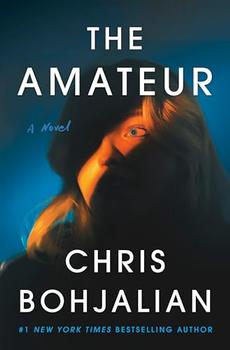
Aug 4, 2026. 336 pages
Published by Doubleday
When a young woman, a golf prodigy, kills a caddy with a stray ball at the country club, the investigation of this freak accident reveals a dark and shocking tale of secret affairs and predatory men, and suddenly a teenager is on trial in this spellbinding novel from the #1 New York Times bestselling author of Midwives and The Flight Attendant.
Why we're looking forward to it: Chris Bohjalian is a favorite author of the BookBrowse community, and this seems like a truly absorbing page-turner.
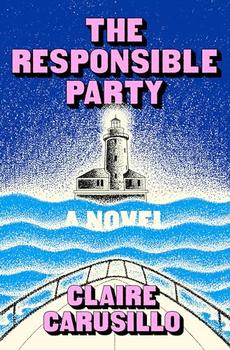
Aug 11, 2026. 336 pages
Published by Henry Holt and Company
Geek Love meets Sam Lipsyte in this rollicking, hilarious debut novel about a family of unforgettable women obsessed with securing their legacy.
Why we're looking forward to it: A uniquely humorous multi-generational and multi-timeline story, this seems like it will just be a whole lot of fun.
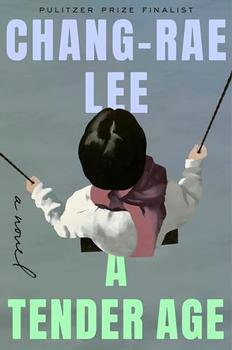
Aug 11, 2026. 368 pages
Published by Riverhead Books
From the Pulitzer Prize finalist, a story of guilt, innocence, and a boy on the cusp of adolescence.
Why we're looking forward to it: This coming-of-age novel from ambitious, seasoned novelist Chang-rae Lee, already well-reviewed, is likely to be a big hit.
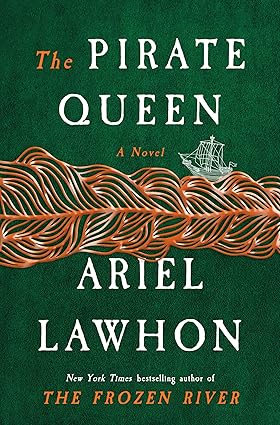
Sep 8, 2026. 336 pages
Published by Doubleday
A sweeping historical adventure inspired by the life of Grace O'Malley, the legendary Irish folk heroine who risked everything to defend her people. Venture onto the high seas with the thrilling latest from the New York Times bestselling author of The Frozen River and I Was Anastasia.
Why we're looking forward to it: Lawhon is the author of one of the most popular historical novels we’ve featured in recent years (The Frozen River), and we can’t imagine that readers won’t fall for a new book of hers about “the Pirate Queen of Ireland."
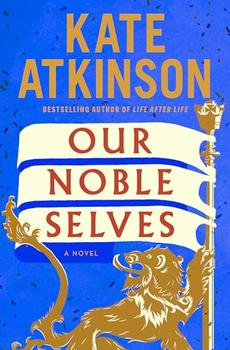
Sep 15, 2026. 352 pages
Published by Doubleday
A thrilling tale of post–World War II London, where the peace proves as tricky to navigate as the past, from the #1 international bestselling author of Life After Life.
Why we're looking forward to it: Post–World War II London. A missing Frenchwoman. A band of misfits. Classic Kate Atkinson.
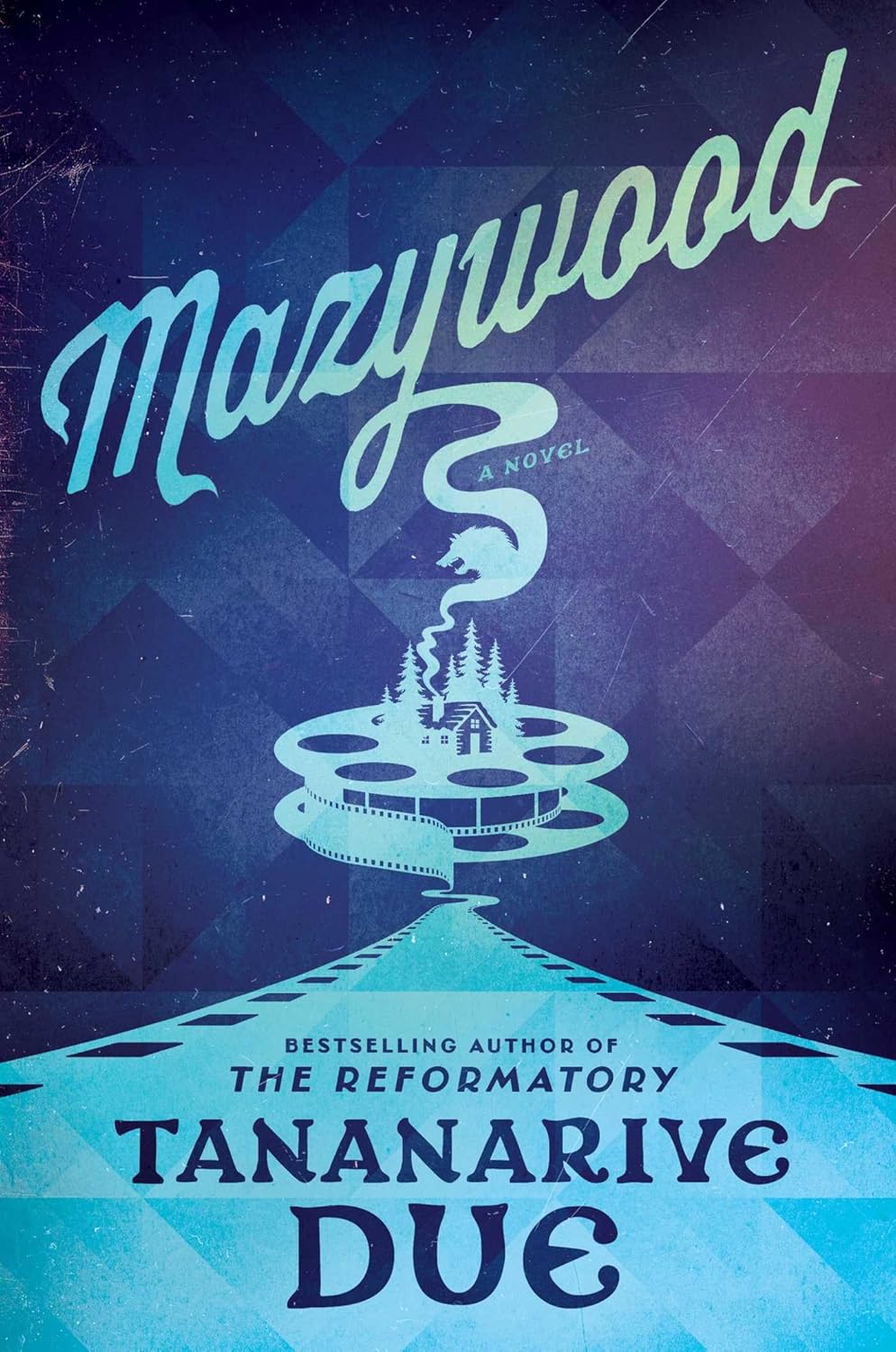
Sep 22, 2026. 512 pages
Published by Saga Press
S. A. Cosby's All the Sinners Bleed meets Percival Everett's Erasure in this literary thriller following the grandson of a famous Black actress from the 1920s to the 1940s, now a filmmaker himself, who returns to his grandmother's cabin retreat in the California mountains only to encounter the legacy of her rage born in Old Hollywood.
Why we're looking forward to it: From the author of The Reformatory comes a doorstopper that looks to be an incredible historical thriller.
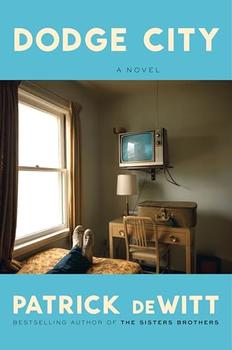
Sep 29, 2026. 256 pages
Published by Ecco
From bestselling author Patrick deWitt comes Dodge City, a rollicking novel about a young man on an amphetamine-fueled cross-country road trip, fleeing the draft for the safe haven of Canada.
Why we're looking forward to it: Who doesn't want to read a witty story about a Vietnam War draft dodger from the author of The Librarianist?
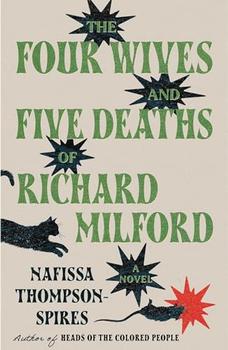
Oct 13, 2026. 176 pages
Published by Scribner
From the author of the multi-award-winning, National Book Award–longlisted, "vivid, fast, funny, way-smart, and verbally inventive" (George Saunders) story collection Heads of the Colored People, comes a sly, spry, tall tale of a debut novel about the murder of an infamous moonshiner and the cacophony of true stories a small town can tell about itself.
Rich Milford is dead. At last.
Why we're looking forward to it: Nafissa Thompson-Spires’ debut collection Heads of the Colored People was a literary event in itself, so we won't be missing her first novel.
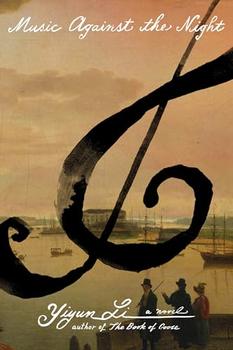
Oct 13, 2026. 352 pages
Published by Farrar, Straus & Giroux
Figures of the past find new life in Yiyun Li's thrillingly imagined saga following two musicians as they mature, study, travel, love, grieve, and, above all, chase their ambitions.
Why we're looking forward to it: Li is one of the great fiction writers of our time, she excels in a historical setting (as with The Book of Goose), and this appears to be the first book in an epic trilogy.
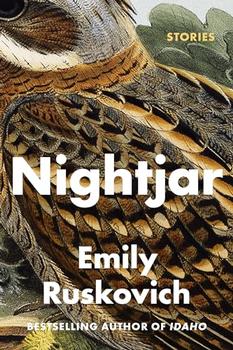
Jul 2026. 272 pages
Published by Random House
From the award-winning author of the national bestseller Idaho comes a stunning collection of stories that explore how unexpected intuitions forever alter the lives of ordinary people.
Why we're looking forward to it: This Pacific Northwest-set collection of stories has gotten stars from Kirkus and PW and comes recommended from beloved author Kelly Link.
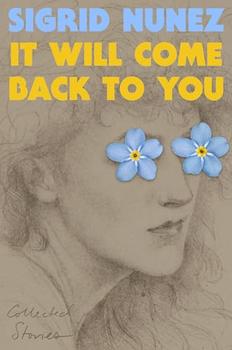
Jul 14, 2026. 224 pages
Published by Riverhead Books
The first ever collection of short stories from the New York Times bestselling, National Book Award-winning author of The Friend.
Why we're looking forward to it: It’s always exciting when an acclaimed novelist publishes their first short story collection, and with this one being full of previously published material, we know it’s going to be good.
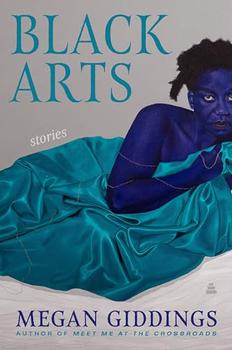
Sep 8, 2026. 240 pages
Published by Amistad
The very first story collection from the critically acclaimed, visionary author of the novels Lakewood, The Women Could Fly, and Meet Me at the Crossroads.
Why we're looking forward to it: Here’s another much-anticipated first story collection, from the much-praised author of Meet Me at the Crossroads and other novels.
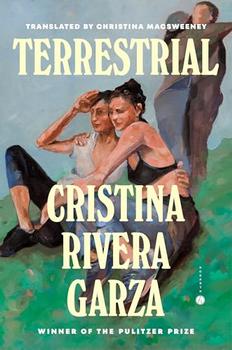
Sep 15, 2026. 160 pages
Published by Hogarth Books
A fiercely poetic, tenderly observed portrait of young women's travels on the fringes of Mexico and the United States, by the Pulitzer-Prize winning author of Liliana's Invincible Summer.
Why we're looking forward to it: This new set of stories from Garza is sure to showcase her innovative and beguiling touch.
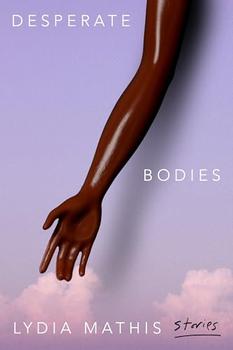
Sep 15, 2026. 288 pages
Published by Roxane Gay Books
From a ferocious new talent, a debut story collection excavating the desire, humor, and horror in the everyday lives of Black women and girls—for readers of Deesha Philyaw and Kelly Link.
Why we're looking forward to it: Fresh from Roxane Gay’s imprint at Grove Press, this debut has been getting some online buzz, and the comparisons to Philyaw and Link don't hurt, either.
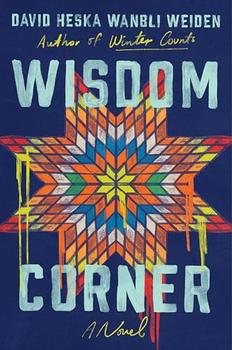
Jul 2026. 320 pages
Published by Ecco
From the award-winning author of Winter Counts comes a new thriller about life—and death—on the Rosebud Indian Reservation.
Why we're looking forward to it: Weiden’s latest returns to the character Virgil Wounded Horse and a lovingly crafted fictional world built around issues relevant to contemporary Native life.
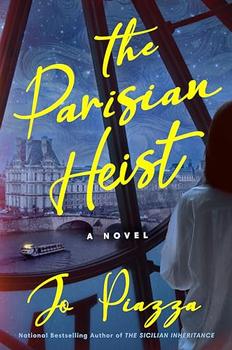
Jul 14, 2026. 384 pages
Published by Dutton
From the bestselling author of The Sicilian Inheritance and Everyone Is Lying to You comes a propulsive dual-timeline mystery drenched in art-world intrigue and brimming with family secrets, betrayal, and the intoxicating lure of power.
Why we're looking forward to it: Here's your dedicated historical art mystery for the summer. Everyone needs one.
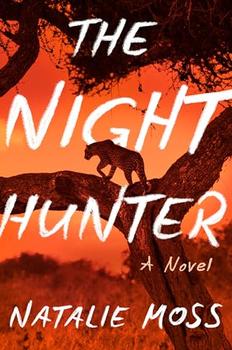
Jul 28, 2026. 352 pages
Published by Berkley Books
In a remote corner of the South African bush, two sisters reunite to bury a family secret once and for all, but when they're stranded among the wild animals, they find a predator far more dangerous waiting for them in the shadows...
Why we're looking forward to it: An upcoming book to be featured in our First Impressions program, this South African-set thriller is getting high marks.

Aug 4, 2026. 208 pages
Published by Berkley Books
In the heart of a quiet town, a young woman tends to her plant shop, but beneath the surface of her lush, green sanctuary lies something far darker....
Will you dare to disrespect her plants?
Why we're looking forward to it: Another First Impressions book many of our readers are enjoying already, this darkly comic tale of gardening and female revenge is one to round out the warmer days and nights.
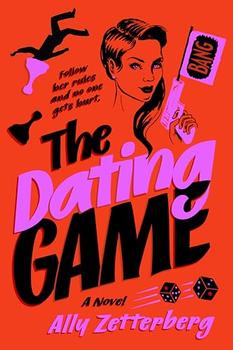
Sep 8, 2026. 304 pages
Published by Berkley Books
In this clever and surprising thriller about the perils of modern dating and the female rage it sometimes inspires, a board game designer starts playing by her own rules, and losers won't be tolerated.
Why we're looking forward to it: In a starred review, Library Journal recommends this thriller to fans of Oyinkan Braithwaite’s My Sister, the Serial Killer, among others.
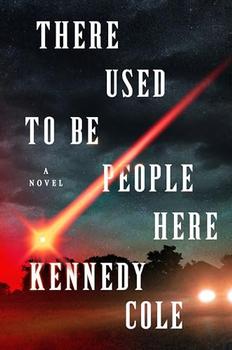
Nov 3, 2026. 368 pages
Published by Berkley Books
In 1970s Mississippi, a Black detective and his temporary partner are assigned to a case that shifts from murder to paranormal conspiracy with life-altering repercussions.
Why we're looking forward to it: A historical crime story that surfaces the social issues of the day, this looks to be a meaty mystery for book clubs to dig into.
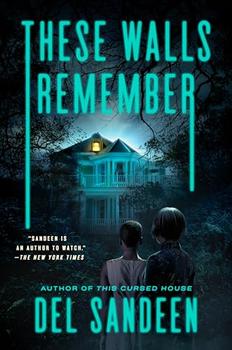
Aug 18, 2026. 400 pages
Published by Berkley Books
When two estranged sisters inherit a home possessed by the horrors of its dark past, they must work together to survive in this viscerally chilling Southern gothic novel from the critically acclaimed author of This Cursed House.
Why we're looking forward to it: Called “an author to watch” by The New York Times, Sandeen is back in time for Halloween this year with this Southern gothic haunted house tale.

Sep 15, 2026. 320 pages
Published by Knopf
The award-winning, bestselling author of Station Eleven and Sea of Tranquility returns with a breathtaking novel of doubles, shadow worlds, and fractured timelines as a man disappears from a glittering Los Angeles party, and a woman—a gunrunner, an art collector, an operative of the State—searches for answers.
Why we're looking forward to it: Mandel excels at creating dystopian future worlds, and we’re eager to see what this one holds.
Sep 29, 2026. 464 pages
Published by Riverhead Books
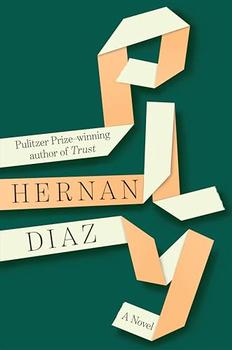
The Pulitzer Prize–winning author of Trust turns to the future with a novel that examines the place of technology in the American imagination.
Why we're looking forward to it: Diaz delved into a layered universe with Trust, and this latest work sounds equally intricate and intriguing.
Oct 6, 2026. 336 pages
Published by Tor Books
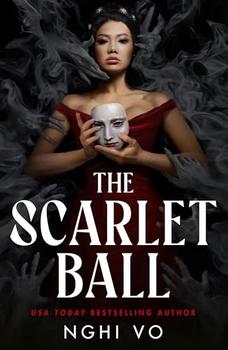
From USA Today bestselling author Nghi Vo, this all-consuming tale of ballrooms and bloodshed weds The Gilded Age with the Gothic vision of Guillermo del Toro.
Why we're looking forward to it: One of the most prolific (and award-winning) authors working in speculative fiction today, Vo apparently just can’t be stopped.
Oct 6, 2026. 304 pages
Published by Tor Books
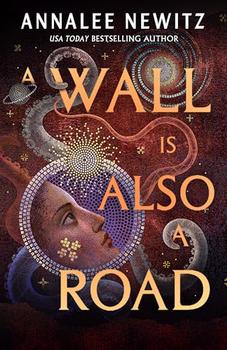
From bestselling author Annalee Newitz, A Wall Is Also a Road is a thought-provoking science fiction adventure about the meaning of life and love, seen through the many eyes of an alien grad student studying a familiar backwater planet. Perfect for fans of Becky Chambers, Ryka Aoki, and Martha Wells.
Why we're looking forward to it: Newitz is a deeply imaginative writer, and this latest book, which follows a grad student named Gardenpath who discovers animals on a remote planet with their own language and culture…well, that’s already a fascinating premise.
Oct 6, 2026. 592 pages
Published by Tor Books
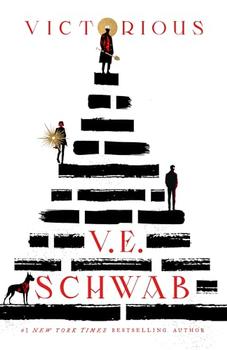
The triumphant conclusion to the Villains series from V.E. Schwab, the #1 New York Times bestselling author of The Invisible Life of Addie LaRue and Bury Our Bones in the Midnight Soil.
Why we're looking forward to it: Because it's the third installment of Schwab’s Villains series, and because it looks absolutely riveting.
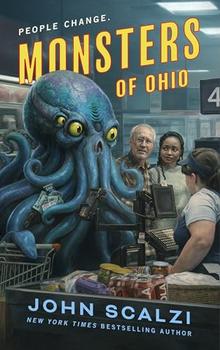
Nov 3, 2026. 272 pages
Published by Tor Books
Monsters of Ohio is a heartfelt exploration of a tentacular solution to the struggles of the modern world from the New York Times bestselling author of Starter Villain.
Why we're looking forward to it: Ohio doesn’t necessarily come to mind as a great setting for speculative fiction, but John Scalzi isn’t your typical speculative writer, and we’re more than happy to be along for the ride.
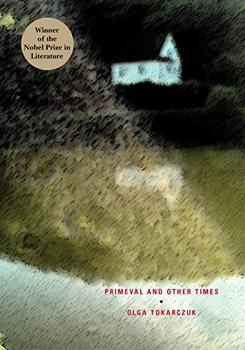
Jan 2010. 248 pages
Published by Twisted Spoon Press
The Nobel Prize winner at her earthiest and most ethereal, in a fictional journey through three generations in the life of a mythical Polish village.
Why we're looking forward to it: As publishers continue upgrading the visibility of Tokarczuk’s catalog in English, we’ll continue following along.
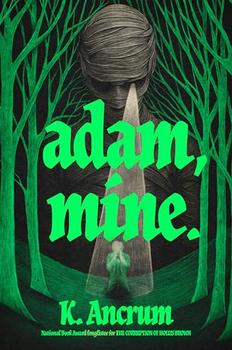
Sep 8, 2026. 384 pages
Published by HarperCollins Publishers
From acclaimed author K. Ancrum, on the National Book Award longlist for The Corruption of Hollis Brown, and Lambda Literary Award winner for Icarus, comes a queer romantic horror thriller that is a love letter to Frankenstein about the consequences of our decisions, the legacy of family, and the depths we'll go to be forgiven.
Why we're looking forward to it: Ancrum is one of the most original writers working in contemporary YA. So yes, of course we’ll read her Frankenstein adaptation.
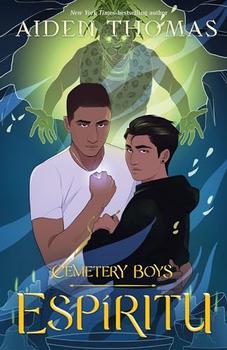
Sep 8, 2026. 432 pages
Published by Feiwel & Friends
New York Times-bestselling author Aiden Thomas returns to the beloved world of Cemetery Boys, this time following Julian―chaos magnet extraordinaire. With restless spirits vanishing and a dark demon from their past emerging, he and Yadriel might be the only ones reckless enough to stop a threat that could tear their world apart.
Why we're looking forward to it: The sequel to Thomas’s beloved Cemetery Boys is not to be missed.
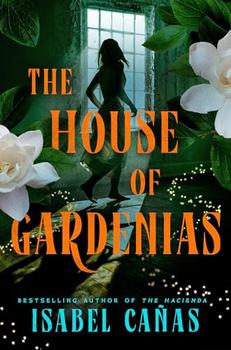
Sep 29, 2026. 288 pages
Published by Dutton for Young Readers
A stunning YA debut from gothic master Isabel Cañas, bestselling author of The Hacienda, Vampires of El Norte, and The Possession of Alba Díaz.
Why we're looking forward to it: This upcoming YA debut from established adult fiction author Cañas is already getting great reviews, and it’s giving off strong, dramatic, gothic vibes.
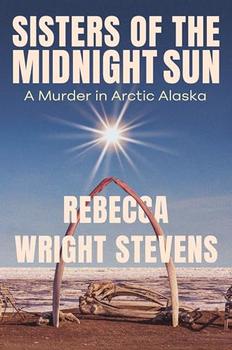
Jul 14, 2026. 304 pages
Published by Counterpoint Press
The stunning true story of a double homicide in the vibrant native Alaskan Iñupiat community at the arctic edge of the United States—written by the public defender at its center.
Why we're looking forward to it: A glowing Kirkus review of this work of true crime states, “Stevens studied English before devoting herself to the law, and her talents as a writer shine through in scene after memorable scene that evoke Scandinavian noir.”

Jul 14, 2026. 416 pages
Published by Penguin Press
From an acclaimed architect and investigator, a devastating, meticulous accounting of Israel's destruction of Gaza and crimes against its people.
Why we're looking forward to it: Author and architect Weizman is an expert in the ways war and oppression unfold in physical environments, a subject into which he offers harrowing insights.
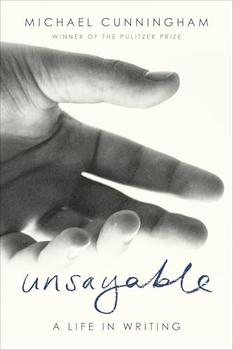
Jul 21, 2026. 256 pages
Published by Random House
An intimate memoir portraying a life spent trying to describe the indescribable—from the Pulitzer Prize-winning novelist of The Hours and Day.
Why we're looking forward to it: Reading about a writer’s writerly mind can be its own special pleasure, and here we have reflections on language, memory, and craft from the author of The Hours.
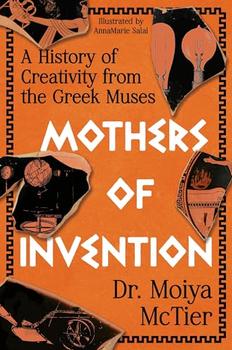
Aug 18, 2026. 288 pages
Published by Grand Central Publishing
A rollicking, enlightening examination of humanity's changing relationship to creativity, written from the perspectives of the Greek Muses.
Why we're looking forward to it: This amusing and informative ode to creativity sounds delightful.
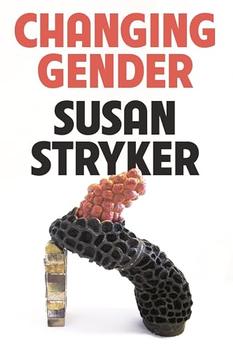
Aug 25, 2026. 384 pages
Published by Farrar, Straus & Giroux
From the groundbreaking trans scholar Susan Stryker, a provocative, genre-bending call to reconsider the story we tell about gender itself.
Why we're looking forward to it: Stryker, whose work has been instrumental in the field of transgender studies, contextualizes the ways gender has come to be represented in our current moment.
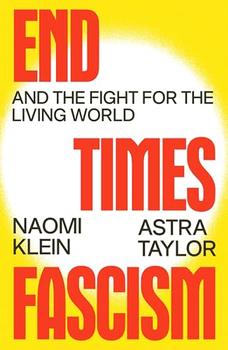
Sep 15, 2026. 384 pages
Published by Farrar, Straus & Giroux
A scathing investigation into the apocalyptic thinking of the Christian nationalists, tech-bro reactionaries, and populist survivalists who increasingly define the contemporary right―and a recipe for how to fight them.
Why we're looking forward to it: Here, the author of This Changes Everything takes on another subject on the minds of many, exploring the contemporary far-right and its damaging new nihilism.
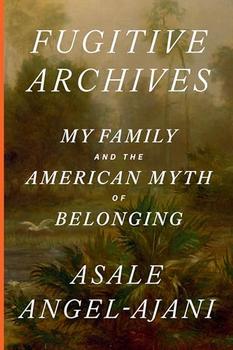
Oct 6, 2026. 288 pages
Published by Algonquin Books
An incisive, lyrical exploration of her family's history radically overturns American myths about race, violence, and belonging.
Why we're looking forward to it: After Angel-Ajani’s sharp and tragic family tale in A Country You Can Leave, this uncovering of her own family history is sure to catch readers’ interest.
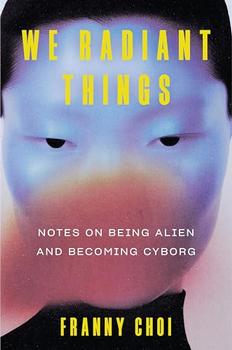
Oct 6, 2026. 192 pages
Published by Ecco
Blending lyric memoir and cultural criticism, acclaimed poet Franny Choi's debut essay collection explores our obsession with cyborgs and what sci-fi representations of Asian femmes reveal about race, gender, sexuality, disability, labor, technology, and language.
Why we're looking forward to it: We aren't about to miss Franny Choi's first essay collection.

Oct 20, 2026. 224 pages
Published by Little Brown & Company
A poignant, moving essay collection on the longing and hope of living in diaspora and what it means to be Palestinian today, from the Lambda Literary Award-winning author of You Exist Too Much.
Why we're looking forward to it: This is an “outstanding portrait-in-essays of the Palestinian diaspora,” according to Publishers Weekly.

Nov 10, 2026. 352 pages
Published by Random House
The legendary actor behind Roots, Star Trek: The Next Generation, and Reading Rainbow shares never-before-told stories from a life that has shaped generations—told at last on his own terms.
Why we're looking forward to it: Not just your average celebrity memoir, this book from Roots, Star Trek, and Reading Rainbow star Burton will be of interest to a wide range of readers who lived through the times in which he made an indelible mark on reading culture, pop culture, and culture in general.
Yrsa Daley-Ward’s The Catch (2025), recently released in paperback, has a bizarre and intriguing premise: twin sisters who were separated at a young age, adopted into different families after their mother’s death, diverge in their reactions when one of them spots a woman who looks exactly like their mother on the streets of London, seemingly not aged at all and living as she might have had they never been born.

Upon the book’s initial release last year, Danez Smith wrote for The New York Times, “Daley-Ward has penned a metaphysical experiment on grief, trauma, family and longing that holds all the excitement of a big summer read.” The Catch is the first novel from Daley-Ward, who has also published poetry, short fiction, and nonfiction, including PEN Ackerley Prize winner The Terrible: A Storyteller's Memoir, and co-written Black Is King, Beyoncé’s 2020 musical film.
The Catch is also the first title in the Well-Read Black Girl Books series under W.W. Norton’s Liveright imprint.
The series came about as a collaboration between Liveright and Glory Edim, founder of the Well-Read Black Girl community, which began in 2015 as an online platform and book club and has since grown into a nonprofit organization and recognized name in the literary world. WRBG’s stated goal is “to introduce a cohort of diverse writers to future generations—contemporary authors who are non-binary, queer, trans, and disabled. To address inequalities and improve communities through reading and reflecting on the works of Black women.”
Edim said of the collaboration with Liveright, “Our new literary series is determined to introduce narratives that are innovative and beguilingly genuine. Daley-Ward’s writing fits the bill; the voices in her manuscript hovered over my head for days.” More recently, the series has seen the hardcover publication of I Hope You Find What You're Looking For (2026) by Bsrat Mezghebe, set in Washington, DC’s Eritrean community as Eritrea is on the cusp of independence from Ethiopian rule in 1991.
The WRBG/Liveright project is one of many organized efforts in recent years to highlight and uplift underrepresented authors, during a time when book bans, which disproportionately affect queer, trans, and racially marginalized authors, have been on the rise.
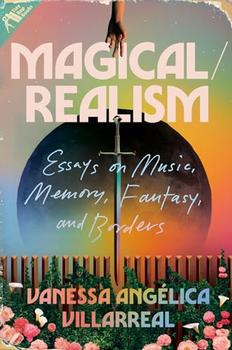
A similar initiative is Tiny Reparations, founded in 2020 by comedian, writer, producer, and actor Phoebe Robinson in partnership with Penguin Random House’s Plume. Tiny Reparations has brought us LaToya Watkins’ family drama Perish (2022) and short story collection Holler, Child (2023), longlisted for the National Book Award; Vanessa Angélica Villarreal’s essay collection Magical/Realism (2024), longlisted for the National Book Award and National Book Critics Circle Award; and the novel Fundamentally (2025) by Nussaibah Younis, an international bestseller shortlisted for the Women's Prize—among other titles.
Projects like this are an opportunity to shape the publishing landscape according to a particular vision. They are also an opportunity for publishers to grow and diversify their catalogs. As Robinson put it while launching her imprint, “We all know there is a lack of diversity in publishing. Tiny Reparations Books recognizes that the publishing landscape isn’t going to change until the actual work starts behind the scenes. I am thrilled to partner with Plume to help take this important step. And I look forward to bringing a wide range of voices to Plume and helping to push the boundaries of publishing."

While the WRBG series and Tiny Reparations are newer developments, they are preceded by others with similar missions who have laid major groundwork in American publishing, such as HarperCollins’ 40-year-old Amistad imprint, “devoted to honoring the legacy of Black literature, amplifying the bold and unapologetic voices of today’s storytellers, and paving the way for inspiring Black-centered stories of the diaspora.” Amistad is the current publisher of Zora Neale Hurston’s classic Their Eyes Were Watching God (1937), which fell out of print before becoming the household name it is today, and is also responsible for Pulitzer winner The Known World (2003) by Edward P. Jones and National Book Award finalist Another Brooklyn (2016) by Jacqueline Woodson.
Many readers of these and other well-known books may be unaware of the careful curation and intentional work that have made them possible or kept them in print. Seeing how imprints and smaller publishing projects operate within the larger publishing scene can foster appreciation for those who help titles reach their audiences, and following diversity-focused initiatives is a meaningful way to structure personal reading and book club discussions, all while supporting authors and staff.
Readers and book groups interested in keeping up with Well-Read Black Girl Books and related projects can follow Glory Edim's newsletter. Amistad offers their own newsletter, and Tiny Reparations advertises new and upcoming titles on the PRH website. Other examples of publishing spaces that prioritize underrepresented writers are Random House’s One World, Hachette Book Group’s Legacy Lit, and Roxane Gay’s imprint at Grove Atlantic.
This year, 2026, marks the 250th anniversary of the United States—in other words, 250 years of American history. In case you hadn’t noticed, at BookBrowse, we love historical fiction, and historical nonfiction, too. So here we present a challenge of sorts: read 26 books this year, each providing a glimpse into life in a different decade of the past two and a half centuries—using our list below as is, or swapping out for your own picks. These titles are all ones we’ve recommended and featured, and you can supplement your reading and book club discussions with our reviews, “beyond the book” articles, reading guides, and other content.
We acknowledge that it is a difficult time for many to engage with American history, and many readers, writers, and book groups approach the concept of America critically as a matter of course. The United States occupies unceded Indigenous territories and carries a legacy of displacement, enslavement, and exclusion that continues to affect a large portion of the population today. This list is meant to reflect those past and current realities, and also the rich, creative array of contemporary writing that engages with it, sometimes directly and sometimes inventively, sometimes with gravity and sometimes irreverently. The selections below range not only across time, but across regional and sub-regional landscapes that represent places within a place, capturing influential figures, key events, and ordinary lives. We hope you enjoy exploring this list and the history it contains.
What will happen in the book world in 2026? Which genres will be popular? Which reading and publishing trends will continue or fall off? What do readers and book clubs need to know going into the new year? Let us be your crystal ball. Here are some predictions we have for 2026, including what will happen with historical fiction, BookTok, audiobooks, book bans, book club content, and more.
Besides getting access to our digital magazine and a wealth of archived content, BookBrowse members can take part in our First Impressions reader review program and book club discussions year-round. In 2025, we discussed or will discuss more than 35 books in our community forum, and we featured nearly 50 titles in First Impressions. Below, we look at some of the books that generated the most enthusiastic and intriguing discussion and that were the most highly rated and positively reviewed. We hope you enjoy browsing through them and find some perfect picks for your TBR or your own book club discussion list.
We also invite you to follow along with or contribute to our discussions and First Impressions reviews in 2026. Members can request free books for review and discussion as they become available, and anyone can participate in the forum. Sign up for a one-time notification to receive an alert when a discussion begins. We look forward to seeing you there!
At BookBrowse, we’re all about bringing you great reading, period. That’s why we don’t only feature reviews of recommended books, but also “beyond the book” articles, bite-sized literary and cultural pieces that expand on an aspect of each featured title. These articles can be read on their own, but also serve as a fantastic entry point into the related book. Below, we’ve selected some of the best articles written by our reviewers this year, one from each of our nine categories. These span subjects ranging from Ukraine’s national soil to American political lawn signs, crime dioramas created by “the mother of forensic science,” Mariah Carey’s career, how author Siphiwe Gloria Ndlovu transformed aspects of the 19th-century adventure novel King Solomon’s Mines, and more. Many of these articles use a small, specific starting point to approach a larger idea. Similarly, they together make up a miniature representation of how you can explore the world through books via our digital magazine all year round.
