Loving Frank by Nancy Horan: Questions, plus a reading group guide, with links to reviews, excerpt, author interview and author biography at BookBrowse.com.
Loving Frank A Novel
by Nancy Horan
Hardcover: Aug 2007,
384 pages.
Paperback: Apr 2008,
400 pages.
Please be aware that this discussion guide may contain spoilers!
Do you think that Mamah is right to leave her husband and children in order to pursue her personal growth and the relationship with Frank Lloyd Wright? Is she being selfish to put her own happiness and fulfillment first?
Why do you think the author, Nancy Horan, gave her novel the title Loving Frank? Does this title work against the feminist message of the novel? Is there a feminist message?
Do you think that a woman today who made the choices that Mamah makes would receive a more sympathetic or understanding hearing from the media and the general public?
If Mamah were alive today, would she be satisfied with the progress women have achieved or would she believe there was still a long way to go?
In Sonnet 116, Shakespeare writes, "Let me not to the marriage of true minds/Admit impediments. Love is not love/That alters where it alteration finds. .." How does the relationship of Mamah and Frank bear out the sentiments of Shakespeares sonnet? What other famous love matches fill the bill?
Is Mamahs story relevant to the women of today?
Is Frank Lloyd Wright an admirable figure in this novel? Would it change your opinion of him to know that he married twice more in his life?
What about Edwin Cheney, Mamahs husband? Did he behave as you might have expected after learning of the affair between his wife and Wright?
Edwins philosophy of life and love might be summed up in the following words from the novel: "Tell her happiness is just practice. If she acted happy, she would be happy." Do you agree or disagree with this philosophy?
"Carved over Wright's fireplace in his Oak Park home are the words "Life is Truth." What do you think these words mean, and do Frank and Mamah live up to them?
Why do you think Horan chose to give her novel the epigraph from Goethe, "One lives but once in the world."?
When Mamah confesses her affair to her friend Mattie, Mattie demands, "What about duty? What about honor?" Discuss some of the different meanings that characters in the novel attach to these two words.
In analyzing the failure of the womens movement to make more progress, Mamah says, "Yet women are part of the problem. We plan dinner parties and make flowers out of crepe paper. Too many of us make small lives for ourselves." Was this a valid criticism at the time, and is it one today?
Why does seeing a performance of the opera Mefistofele affect Mamah so strongly?
Why is Mamah's friendship with Else Lasker Schuler important in the book?
Ellen Key, the Swedish feminist whose work so profoundly influences Mamah, states at one point, "The very legitimate right of a free love can never be acceptable if it is enjoyed at the expense of maternal love." Do you agree?
Another of Ellen Keys beliefs was that motherhood should be recompensed by the state. Do you think an idea like this could ever catch on in America? Why or why not?
Is there anything that Frank and Mamah could have done differently after their return to America that would have ameliorated the harsh welcome they received from the press? Have things changed very much in that regard today?
What part did racism play in Julian Carltons crime? Were his actions the product of pure insanity, or was he goaded into violence?
Further Reading
Frank Lloyd Wright-The Lost Years, 1910-1922: A Study of Influence
by Anthony Alofsin
Many Masks: A Life of Frank Lloyd Wright by Brendan Gill
Frank Lloyd Wright: A Biography by Meryle Secrest
Frank Lloyd Wright: An Autobiography by Frank Lloyd Wright
My Father, Frank Lloyd Wright by John Lloyd Wright
Frank Lloyd Wright Collected Writings edited by Bruce Brooks
Pfeiffer
Taliesin, 1911-1914 Wright Studies, Vol. 1 edited by Narciso
Menocal
Frank Lloyd Wright and Midway Gardens by Paul Kruty
Wrightscapes: Frank Lloyd Wright's Landscape Designs by Charles
and Berdeana Aguar
Frank Lloyd Wright and Taliesin by Frances Nemtin
Frank Lloyd Wright Remembered by Patrick Meehan, editor
Frank Lloyd Wright and the Art of Japan by Julia Meech
Beyond Architecture: Marion Mahoney and Walter Burley Griffin
edited by Anne Watson
Understanding Frank Lloyd Wrights Architecture by Donald Hoffman
Family Memories of Four Sisters by Margaret Belknap Allen
Yesterday by Jean Guarino
A Look at Boulder from Settlement to City by Phyllis Smith
Unless otherwise stated, this discussion guide is reprinted with the permission of Random House Reader's Circle.
Any page references refer to a USA edition of the book, usually the trade paperback version, and may vary in other editions.
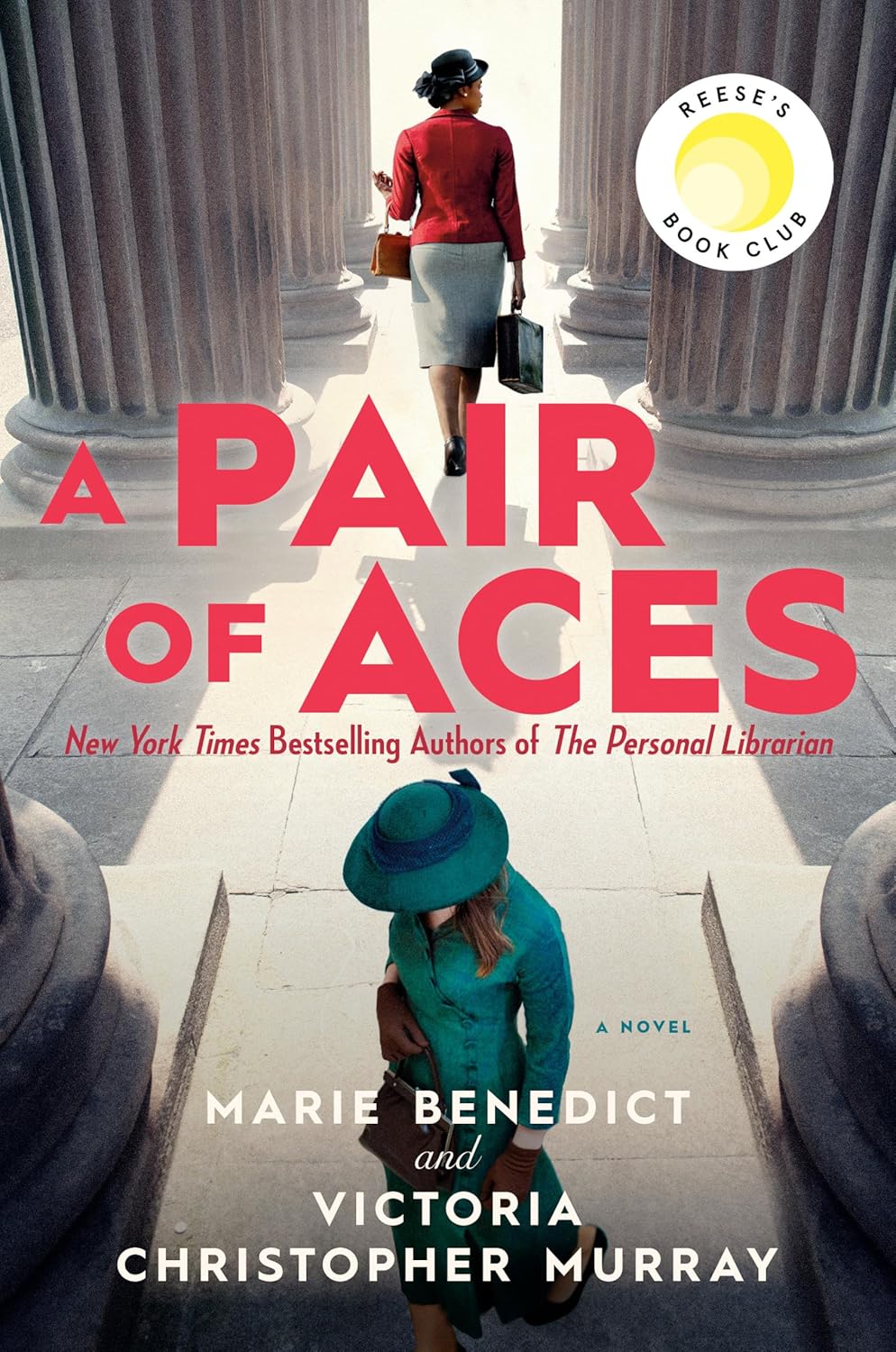
A bold, mesmerizing novel about the woman known as "Typhoid Mary," the first known healthy carrier of typhoid fever in the burgeoning metropolis of early twentieth century New York.
Z, the novel about the life of Zelda Sayre Fitzgerald is at points charming and; like another reviewer, I kept thinking of the movie, "Midnight...
read more
Although heavy on the scientific details, which slowed down the story for me (OK, I admit, I was one of those liberal arts majors who skipped out on...
read more
Loved this book. Magical, quirky, enchanting I could go on. All books do not have to be literary fiction, sometimes it is just so comforting to read...
read more
British Parliament asks Amazon to clarify why it pays $9 million in income tax on $23 billion of UK sales.(May 20 2013) Amazon will be called back to give further evidence to members of the British Parliament "to clarify how its activities in the U.K. justify its low corporate...
Full Story