Summary | Excerpt | Reviews | Readalikes | Genres & Themes | Author Bio
Critics' Opinion:
Readers' Opinion:
First Published:
Jan 2003, 320 pages
Paperback:
Feb 2004, 320 pages

Chapter One
A Portable Climate
In the summer of 1306, bishops and barons and knights from all around England left their country manors and villages and journeyed to London. They came to participate in that still novel democratic experiment known as Parliament, but once in the city they were distracted from their work by an obnoxious odor. These nobles were used to the usual stenches of medieval towns--the animal dung, the unsewered waste, and the rotting garbage lining the streets. What disgusted them about London was something new in the air: the unfamiliar and acrid smell of burning coal. Recently, blacksmiths and other artisans had begun burning these sooty black rocks for fuel instead of wood, filling the city streets with pungent smoke. The nobles soon led popular demonstrations against the new fuel, and King Edward I promptly banned its use. The ban was largely ignored, so new laws were passed to punish first offenders with "great fines and ransoms." Second offenders were to have their furnaces smashed.
Had the coal ban held up in the centuries that followed, human history would have been radically different. As it happened, though, in the late 1500s the English faced an energy crisis when their population rose and their forests dwindled. They learned to tolerate what had been intolerable, becoming the first western nation to mine and burn coal on a large scale. In so doing, they filled London and other English cities with some of the nastiest urban air the world had yet seen. They also went on to spark a coal-fired industrial revolution that would transform the planet. The industrial age emerged literally in a haze of coal smoke, and in that smoke we can read much of the history of the modern world. And because coal's impact is far from over, we can also catch a disturbing glimpse of our future.
Coal is a commodity utterly lacking in glamour. It is dirty, old-fashioned, domestic, and cheap. Coal suffers particularly when compared to its more dazzling and worldly cousin, oil, which conjures up dramatic images of risk takers, jet-setters, and international conspiracies. Oil has always given us fabulously wealthy celebrities to love or hate, from the Rockefellers to the sheiks of the Middle East. "Striking oil" has become a metaphor for sudden, fantastic wealth-riches derived not from hard work but from incredible luck.
Coal does not make us think of the rich, but of the poor. It evokes bleak images of soot-covered coal miners trudging from the mines, supporting their desperately poor families in grim little company towns. Long past the time when it was actually part of our daily lives, coal is still considered mundane. Earlier generations' familiarity with coal bred contempt for it; and though the familiarity has faded, the contempt lingers. Even today, children may have heard the warning that if they are bad, they will find nothing but a lump of coal in their Christmas stockings. They may never have seen coal, may not even know what it is, but they know that a lump of it (indeed, a lump of anything) is not something they want. Where oil is seen as a symbol of luck, coal is seen as a symbol of disappointment.
It's easy, though, to imagine another culture--one with a greater appreciation of the past, and particularly of the ancient past--where coal's reputation would be quite different. In that culture, the lowly lump of coal would be revered as the fossil that it is. Before mammals appeared, before the dinosaurs evolved, before the continents glided and crashed into their current positions, that lump was alive. It was part of an enormous swampy forest of bizarre trees and gigantic ferns--"monsters of the vegetable world," as one nineteenth-century writer described them--that are no longer found on earth except for some that survive in greatly shrunken form. Most coal beds were part of the first great wave of plant life to leave the oceans and colonize the land, paving the way for animals to do the same and sheltering them as they took important evolutionary steps. In other words, coal is the highly concentrated vestige of extinct life forms that once dominated the planet, life forms that were themselves a critical link in the chain of environmental changes that made the emergence of advanced life possible. If coal were not so plentiful, one could imagine it lovingly displayed in museums, placed next to the (generally much younger) dinosaur bones, rather than being burned by the trainload.
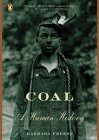
Excerpted from Coal: A Human History by Barbara Freese. Copyright 2002 by Barbara Freese. All rights reserved. Excerpt reproduced by permission of the publisher, Perseus Publishing.



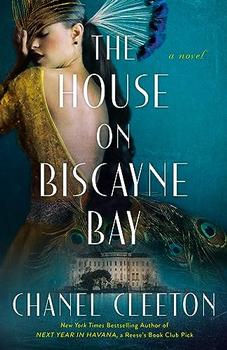
The House on Biscayne Bay
by Chanel Cleeton
As death stalks a gothic mansion in Miami, the lives of two women intertwine as the past and present collide.
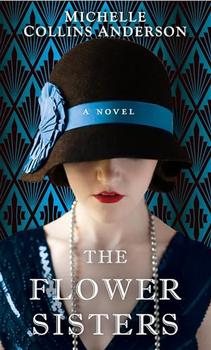
The Flower Sisters
by Michelle Collins Anderson
From the new Fannie Flagg of the Ozarks, a richly-woven story of family, forgiveness, and reinvention.
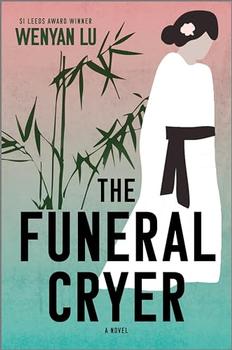
The Funeral Cryer by Wenyan Lu
Debut novelist Wenyan Lu brings us this witty yet profound story about one woman's midlife reawakening in contemporary rural China.
Your guide toexceptional books
BookBrowse seeks out and recommends the best in contemporary fiction and nonfiction—books that not only engage and entertain but also deepen our understanding of ourselves and the world around us.