Summary | Excerpt | Reviews | Read-Alikes | Genres & Themes | Author Bio
Critics' Opinion:
Readers' Opinion:
First Published:
Aug 1999, 321 pages
Paperback:
Oct 2000, 304 pages
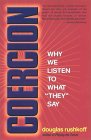
Rushkoff's message is a wake-up call for anyone who has the uncomfortable sense that our actions are being shaped by forces beyond our control.
They say that human beings use only ten percent of their brains. They say the corner office is a position of power. They say you haven't met your deductible.
Who, exactly, are "they"? More important, why do we listen to them?
In Coercion Douglas Rushkoff argues that we each have our own "theys"--bosses, experts, and authorities (both real and imaginary) who have taken over much of the decision-making power in our lives. Unfortunately, not everyone to whom we surrender this control has our best interests at heart. What's most troubling is that the more we try to resist their efforts at persuasion, the more effort they in turn put into finding increasingly sophisticated--and invisible--methods of coercion. Indeed, the last fifty years have been marked by a kind of arms race between these authorities and our selves.
Douglas Rushkoff is in a unique position to guide us through these hazardous societal influences. Having for years been the champion of the new media, the Internet, and the liberating forces of interactive technology, he now examines the process through which such innovations are being co-opted by the powers that be. Rushkoff's message is a wake-up call for anyone who has the uncomfortable sense that our actions are being shaped by forces beyond our control.
Introduction
They Say
They say human beings use only ten percent of their brains. They say polyunsaturated fat is better for you than saturated fat. They say that tiny squiggles in a rock prove there once was life on Mars. They say our children's test scores are declining. They say Jesus was a direct descendant of King David. They say you can earn $15,000 a week in your spare time. They say marijuana leads to LSD, and LSD can lead to suicide. They say the corner office is a position of power. They say the elderly should get flu shots this season. They say homosexuality is an environmentally learned trait. They say there's a gene for homosexuality. They say people can be hypnotized to do anything. They say people won't do anything under hypnosis that they wouldn't do when conscious. They say Prozac alleviates depression. They say mutual funds are the best long-term investment. They say computers can predict the weather. They say you haven't met your deductible...

If you liked Coercion, try these:
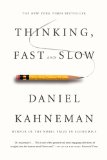
by Daniel Kahneman
Published 2013
Engaging the reader in a lively conversation about how we think, Thinking, Fast and Slow will transform the way you think about thinking.
by Greg Critser
Published 2007
Generation Rx will make every American who has ever taken a prescription drug look anew at what's in our medicine cabinets, and why.



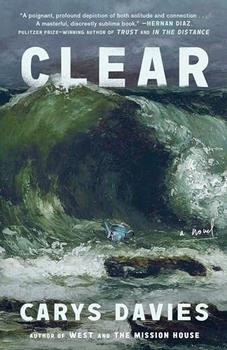
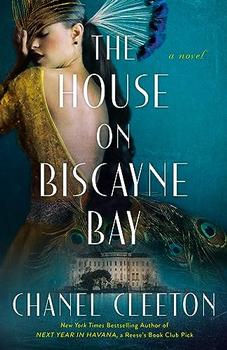
The House on Biscayne Bay
by Chanel Cleeton
As death stalks a gothic mansion in Miami, the lives of two women intertwine as the past and present collide.

The Flower Sisters
by Michelle Collins Anderson
From the new Fannie Flagg of the Ozarks, a richly-woven story of family, forgiveness, and reinvention.
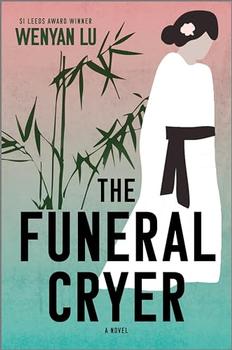
The Funeral Cryer by Wenyan Lu
Debut novelist Wenyan Lu brings us this witty yet profound story about one woman's midlife reawakening in contemporary rural China.
Your guide toexceptional books
BookBrowse seeks out and recommends the best in contemporary fiction and nonfiction—books that not only engage and entertain but also deepen our understanding of ourselves and the world around us.