
-
Your next favorite book
is waiting.
Summary | Excerpt | Reading Guide | Discuss | Reviews | Beyond the Book | Read-Alikes | Genres & Themes | Author Bio
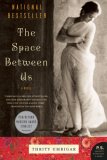
A Novel
by Thrity Umrigar Book Reviewed by:
For supplemental discussion material see our Beyond the Book article, Parsis and our BookBrowse Review of The Space Between Us.
Please be aware that this discussion guide will contain spoilers!
Join BookBrowse free to unlock all 17 discussion questions, author background, themes, and more for The Space Between Us.
Join free — it takes 30 secondsAlready a member? Log in →
Unless otherwise stated, this discussion guide is reprinted with the permission of Harper Perennial. Any page references refer to a USA edition of the book, usually the trade paperback version, and may vary in other editions.
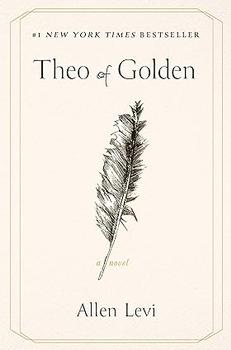
Theo of Golden by Allen Levi
One spring morning, a stranger arrives in the small southern city of Golden. No one knows where he has come from…or why…




Your guide toexceptional books
BookBrowse seeks out and recommends the best in contemporary fiction and nonfiction—books that not only engage and entertain but also deepen our understanding of ourselves and the world around us.

