Summary | Excerpt | Reviews | Readalikes | Genres & Themes | Author Bio

Critics' Opinion:
Readers' Opinion:
First Published:
Jan 2000, 429 pages
Paperback:
Jan 2001, 429 pages

Chapter One
I can trace it back with precision to one of those fitful weeks in August, when the thermometer hit triple digits for the tenth day in a row. Even the humidity was high; unusual for Capital City. The air conditioner in my car had died and at six-fifteen, traffic on the Interstate was stalled behind an overturned truck-and-trailer rig filled with tomatoes on their way to the Campbell's plant. I would be late picking up Sarah from the sitter's.
Even with this as background, it was an impulsive move. Ten minutes after I got home, I called a realtor I knew and asked the fateful question: How much can I get for the house? Would you come by for an appraisal? The real estate market was heating up, like the weather, so in this respect my timing was good.
Sarah was out of school, in that awkward gap between fifth grade and middle school, and not looking forward to the switch. Her best friends-twin sisters her same age-were in the southern part of the state. I'd met their mother during a legal seminar in which we were both speakers, almost three years ago now.
Susan McKay and her daughters lived in San Diego. Susan and I had been seeing a lot of each other, between monthly trips to San Diego and meetings at the halfway point in Morro Bay. For some reason that adults will never comprehend, the kids seemed to bond at that very first meeting. In San Diego, the weather was cool and breezy. And it held the promise of family life, something Sarah and I had been missing for nearly four years.
We had spent two weeks visiting in early July, part of that in Ensenada, south of the border. I had become infected with the scent of salt in the air, and the facets of the sun dancing on the surface of the sea at Coronado. In the late afternoon, Susan and I sat on the beach as the girls played in the water. The Pacific appeared as some boundless, undulating crucible of quicksilver.
After fourteen short days, Sarah and I bade farewell and piled into my car. As I looked at my daughter, I could read her mind. Why are we going back to Capital City? What is there for us?
It took her an hour in the car to verbalize these thoughts, and when she did, I was prepared with all the cold, adult logic a father can command.
I have a job there. I have to get back.
But you could get another job down here.
It takes a long time for a lawyer to build a practice. It's not that easy.
You started once before. You could do it again. Besides we have money now. You said so yourself.
On this point she had me. I had made a killing in a civil case eight months earlier, a wrongful death that went to the jury. We'd hit a verdict, Harry Hinds and I, like gold bars on the pay line of a slot machine. We'd plucked the insurance company for eight million dollars. It's what happens when a defendant circles the wagons in a bad case. A widow with two children was now financially secure, and Harry and I had been left with a tidy nest egg in fees, even after taxes.
Still, uprooting my practice was risky.
I understand. You're feeling lonely, I told Sarah.
I am lonely, she said.
With that I looked at my daughter sitting in the passenger seat next to me, staring doe-eyed, braces and long brown hair, waiting for an answer that made sense. I didn't have one.
When my wife, Nikki, died, she left a hole in our lives that I have never been able to fill. As we headed back toward Capital City, the nagging question remained: What is here for us?
The corrosive politics and blistering summer heat of Capital City held few attractions and a great many painful memories. There had been the year of Nikki's illness that even now I could not blot out. There were places in the house where, when I turned a corner, I still saw her face. Couples who had been friends no longer had anything in common with a widower approaching middle age. And now my daughter wanted to put it all behind us.
From The Attorney by Steve Martini. (c) Novemeber 1999 , Steve Martini used by permission of the publisher.





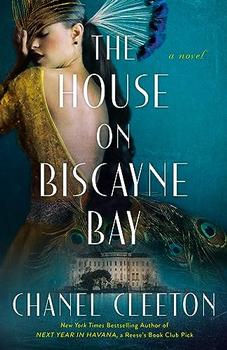
The House on Biscayne Bay
by Chanel Cleeton
As death stalks a gothic mansion in Miami, the lives of two women intertwine as the past and present collide.

The Flower Sisters
by Michelle Collins Anderson
From the new Fannie Flagg of the Ozarks, a richly-woven story of family, forgiveness, and reinvention.
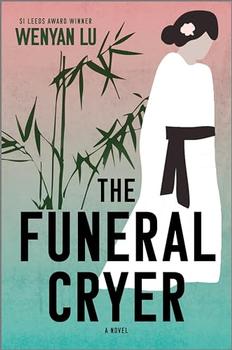
The Funeral Cryer by Wenyan Lu
Debut novelist Wenyan Lu brings us this witty yet profound story about one woman's midlife reawakening in contemporary rural China.
Your guide toexceptional books
BookBrowse seeks out and recommends the best in contemporary fiction and nonfiction—books that not only engage and entertain but also deepen our understanding of ourselves and the world around us.