Summary | Excerpt | Reviews | Readalikes | Genres & Themes | Author Bio

Chapter One
First and Foremost: Pinpoint Your Passion
Be honest with
yourself about it. Really think about what you're interested in. What
you enjoy, what captures your imagination and gets your brain going.
What YOU want to do — not what you believe your parents or your teachers
or society or your four brothers think you should do.
When I graduated back in 1977, all I wanted to do was anchor a
network TV show. Everyone thought I was nuts. My parents' friends told
me to get a grip on myself and go to law school until I could figure out
what I really wanted to do. Others suggested I should catch the wave
that was surely going to wash up on Wall Street. My girlfriends all
wanted to go to the big city, get an apartment together, and have a
blast. Still other people told me to get out of denial, stop fighting
the family tradition, and go into politics. All legitimate goals, but
they weren't mine.
I wanted to make a difference in people's lives, but not through the
law or business or politics or public service. I wanted to tell the
stories of the day in the medium of the day, television — reaching out
to the world with ideas, made real in words and pictures.
Now, how had I gotten so passionate about going into television news?
I was bitten by the bug back in 1972, when I was still in high school.
As the ancient history majors among you may know, that year my father
was the Democratic nominee for vice president. I was helping out on his
campaign, and I was lucky to get the rare opportunity to travel on the
campaign plane. (Note: If you have the inclination or the opportunity to
work on an election campaign, grab it. I guarantee you'll learn more
about people and politics in this country than almost anywhere else your
travels may take you.)
My father's staff stuck me — "candidate's kid, obviously a
brat!" — with "THEM" in the back of the plane. It turned
out to be the best thing that ever happened to me. You see, the back of
the plane was where the fun was, because "THEM" was the press,
the hardworking, wisecracking guys (and a few women) from the big
national media — newspapers, wire services, radio, and TV. Most of them
had covered politics for years, watching the passing parade of
candidates and campaigns through practiced (some would say jaundiced)
eyes. They were constantly observing and commenting, and their endless
stream of quips and coverage — even cartoons — put the presidential
campaign on a whole new plane for me. Literally.
Remember, I'd lived and breathed politics my entire life — had
political discussion and debate served like mashed potatoes with dinner
every night since I was a little kid. In a lot of ways, politics and
making history was the family business. But that year on the campaign, I
experienced firsthand something groundshaking to me: I saw how the
newspeople put their fingerprints on history before it became
history, taking something that had just happened in front of my eyes and
giving it context. What the public saw was not the raw event I was
experiencing on the campaign. It was filtered and explained and shaped
by the journalists first.
And as we traveled the country, this colorful, wonderful band of
smart and funny explainers and shapers was constantly changing.
Reporters and crews from local media would jump on board for a while and
then drop off — people with regional interests, like agriculture in
Wichita or unionism in Detroit, who'd put their own spin on it. And I
also got to fraternize with and observe some of the real heavy hitters
of political journalism. They'd travel with the campaign for varying
lengths of time, and I'd eagerly await their pieces in the New York
Times or the Washington Post or the CBS Evening News
and scarf them up.
Copyright © 2000 by Maria Shriver


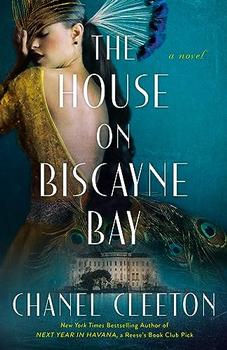
The House on Biscayne Bay
by Chanel Cleeton
As death stalks a gothic mansion in Miami, the lives of two women intertwine as the past and present collide.
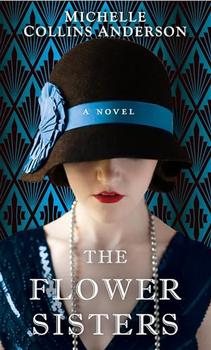
The Flower Sisters
by Michelle Collins Anderson
From the new Fannie Flagg of the Ozarks, a richly-woven story of family, forgiveness, and reinvention.
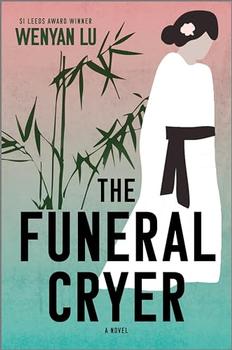
The Funeral Cryer by Wenyan Lu
Debut novelist Wenyan Lu brings us this witty yet profound story about one woman's midlife reawakening in contemporary rural China.
Your guide toexceptional books
BookBrowse seeks out and recommends the best in contemporary fiction and nonfiction—books that not only engage and entertain but also deepen our understanding of ourselves and the world around us.