Summary | Excerpt | Reviews | Readalikes | Genres & Themes | Author Bio

Critics' Opinion:
Readers' Opinion:
First Published:
Sep 2002, 352 pages
Paperback:
Nov 2003, 352 pages

The artist offered Gen and Harry cigarettes.
"You shouldn't do that," Oharu said. "They don't smoke."
"Don't be silly, these are Tokyo boys, not farm boys from your rice paddy. Besides, cigarettes cut the pain."
"All the same, when the gaijin feels better, they have to go. I have work to do," the manager announced, although Harry hadn't seen him budge. "Anyway, it's too crowded in here. Hot, too."
"Damn." The artist felt his jacket pockets. "Now I'm out of fags."
Harry thought for a second. "What kind of cigarettes? We can get them for you. If you're thirsty, we can get beer, too."
"You'll just take the money and run," the manager said.
"I'll stay. Gen can go."
Gen had been dignified and watchful. He gave Harry a narrow look that asked when he had started giving orders.
"Next time," Harry said, "I'll go and Gen can stay."
It was a matter of adapting to the situation, and Harry's point of view had altered in the last ten minutes. A new reality had revealed itself, with more possibilities in this second-floor music-hall changing room than he'd ever imagined. Much better than playing samurai.
"It would be nice for the girls if we had someone willing to run for drinks and cigarettes," Oharu said. "Instead of men who just sit around and make comments about our legs."
The manager was unconvinced. He picked his collar from the sweat on his neck and gave Harry a closer scrutiny. "Your father really is a missionary?"
"Yes."
"Well, missionaries don't smoke or drink. So how would you even know where to go?"
Harry could have told the manager about his uncle Orin, a missionary who had come from Louisville to Tokyo's pleasure quarter and fallen from grace like a high diver hitting the water. Instead, Harry lit his cigarette and released an O of smoke. It rose and unraveled in the fan.
"For free?" the manager asked.
"Yes."
"Both of you?"
Harry looked over to Gen, who still held back, sensitive about the prerogatives of leadership. The door to the stage flew open for a change of acts, singers dressed in graduation gowns rushing out as ballet dancers poured in. The ballerina Harry had seen before didn't even bother with the privacy of a screen to strip to her skin, towel herself off and pull on a majorette costume with a rising sun on the front. To Harry, her change of costumes suggested a wide range of talents and many facets of personality. Gen had been watching, too.
"Yes," said Gen. "I'm with him."
"You should be. Look at him, a minute ago he was about to lose his head, and now he's in Oharu's lap. That is a lucky boy."
Was it only luck, Harry wondered? The way the fight had unfolded, the stumbling upstairs into the theater's roost, encountering Oharu and the artist, the transition of him and Gen from would-be samurai to men of the world all had a dreamlike quality, as if he had stepped through a looking glass to see a subtly altered, more defined image from the other side.
Otherwise, nothing changed. The following day he and Gen were at school again. They marched onto the baseball field in the afternoon and had the usual bayonet drill with Sergeant Sato. Harry put on his padded vest and wicker helmet so that, one after the other, Jiro and Taro, Tetsu and Hajime could take turns pummeling the gaijin. Gen beat Harry into the ground more viciously than ever.
At the end of the drill, the sergeant asked what their ambition in life was and, to a boy, they shouted. "To die for the emperor!"
No one shouted more fervently than Harry.
Chapter Two: 1941
Harry and Michiko were dancing barefoot to the Artie Shaw version of "Begin the Beguine," the Latin sap taken out of the music and replaced by jungle drums.
Copyright © 2002 by Titanic Productions





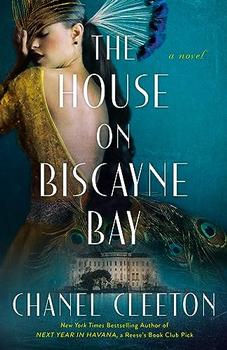
The House on Biscayne Bay
by Chanel Cleeton
As death stalks a gothic mansion in Miami, the lives of two women intertwine as the past and present collide.
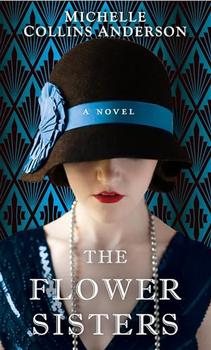
The Flower Sisters
by Michelle Collins Anderson
From the new Fannie Flagg of the Ozarks, a richly-woven story of family, forgiveness, and reinvention.

The Funeral Cryer by Wenyan Lu
Debut novelist Wenyan Lu brings us this witty yet profound story about one woman's midlife reawakening in contemporary rural China.
Your guide toexceptional books
BookBrowse seeks out and recommends the best in contemporary fiction and nonfiction—books that not only engage and entertain but also deepen our understanding of ourselves and the world around us.