Summary | Excerpt | Reviews | Readalikes | Genres & Themes | Author Bio
Critics' Opinion:
Readers' Opinion:
First Published:
Jan 2002, 400 pages
Paperback:
Apr 2003, 400 pages

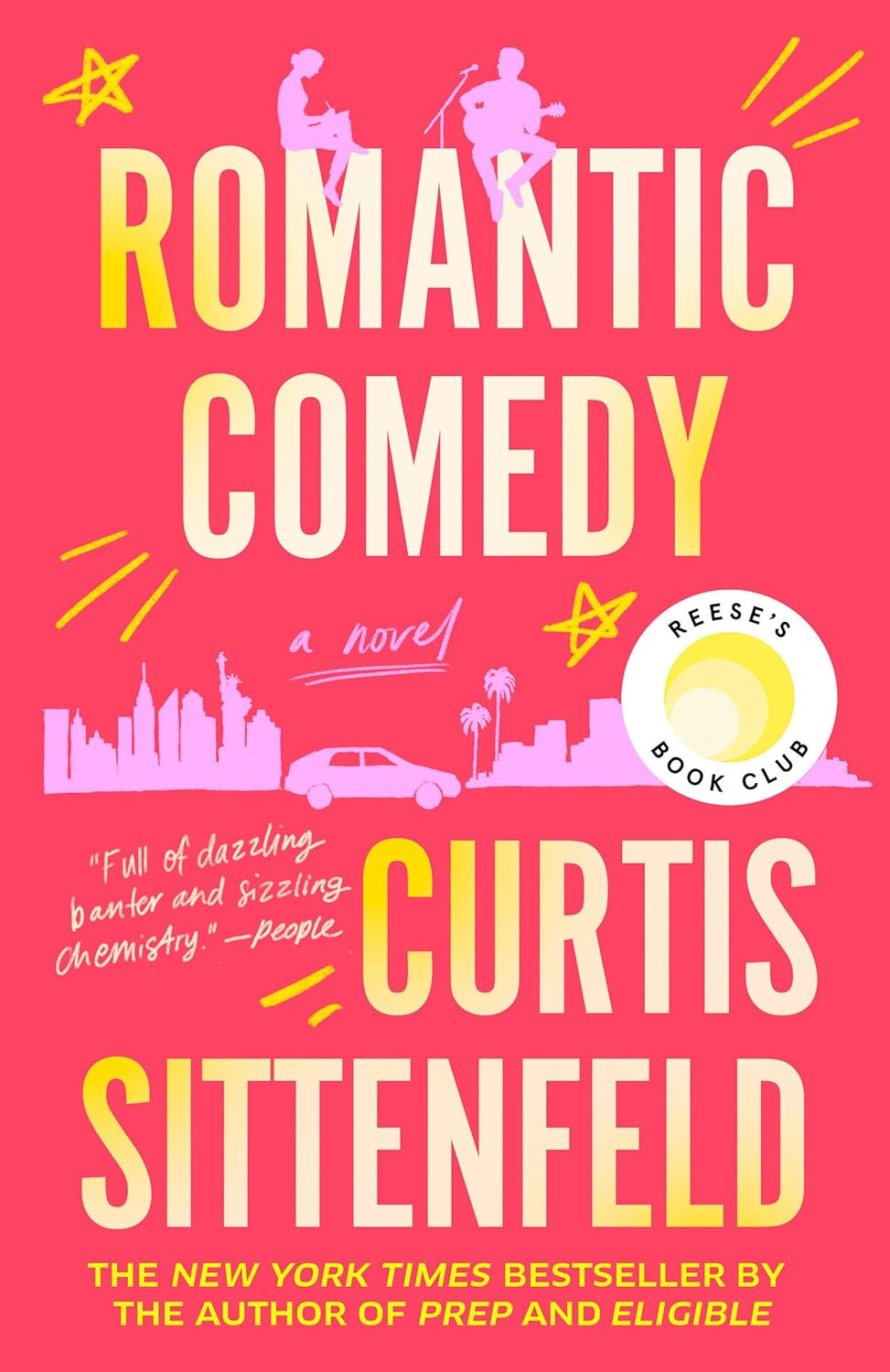
DEMOCRACY COMING TO LIFE
We go on swallowing the prevailing framing of the problem as scarcity, we go on bowing to "experts" promoting GMOs as the solution to hunger, such as the well-meaning professor in Montana-even when all evidence confounds their premises-in part, I believe, because we've lost confidence in the one thing each of us has: our common sense. Our capacity for basic problem solving-for putting two and two together and arriving at four.
We let paralyzing messages intrude-"They know better," "The market will decide," "I don't know enough," "These big questions are for somebody else." Even if we don't say these words, the feelings are often there. Despite the hype about our unparalleled democracy, our culture tells us something else: Democracy, well, it's risky, except maybe on Election Day. And in the 2000 presidential vote, Americans were reminded that, even here, it's not citizens' votes but ultimately the Electoral College, and sometimes even the Supreme Court, who choose our nation's leader.
Realizing how voiceless most people feel, I experienced an awful sinking feeling during the 1980s. Yes, I had gotten good at sounding the alarm. I prided myself on shaking up audiences with dramatic metaphor and precise numbers. "The death toll from hunger," I would tell them, "equals a Hiroshima bomb going off every three days." But, no matter how good I got, it dawned on me that I was making no difference-except maybe satisfying my own need for an ego thrill-if those moved by my words felt incapable of doing anything.
Without that, all my books, articles, speeches, and interviews were meaningless.
Yikes!
That's when I knew I had to push deeper, to cut beneath hunger, or any issue, to democracy itself: How do we discover our voices and use them to shape the larger world around us?
I realized that we humans can't do what we can't imagine and we can't imagine ourselves playing real, satisfying roles in creating life-serving communities-what I came to call "living democracy"-unless we see regular people like ourselves developing their power, their capacity to create. The problem is, the media doesn't show us such images.
That's why in 1990 I co-founded the Center for Living Democracy to shine the light on what is underway but still invisible; to show Americans that people just like themselves are stepping out in their communities, workplaces, schools-everywhere-finding their voices and becoming public problem-solvers. During this time I was nourished by living in a gorgeous old barn in Vermont, with the Center housed next-door in what had been an inn built in the 17th century. A sense of history emboldened me to believe that we can continue to create history.
In part responding to the breathtaking consolidation of our news sources since I wrote Diet for a Small Planet-now just six conglomerates control almost all of America's mass media, including publishing10-there in Brattleboro, we had the audacity to think we could create the first independent news service in decades.
As founding editor of a news service about regular people engaged in their communities, I watched a world open up that I'd not seen before. My weekly headache turned out not to be the dearth of possible stories, but rather the flood of possibilities from which to choose. With every news story, my intuition about the capacities we each have to be contributors was confirmed.
And yet in some ways I became more perplexed, more acutely aware of a contradiction. Despite the islands of empowerment that our news service was highlighting, I knew most people's feelings of powerlessness were deep and growing.
So I was ready when Anthony, Anna, and I hit upon the idea for this book. I was ready with a new question I had to ask. The original question-Why hunger in a world of plenty?-had swollen into one even more puzzling: Why have we, as societies, created that which as individuals we abhor?
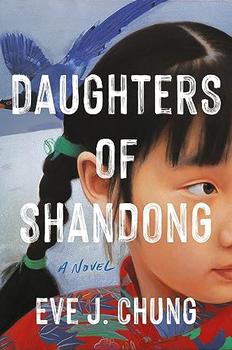
Daughters of Shandong
by Eve J. Chung
Eve J. Chung's debut novel recounts a family's flight to Taiwan during China's Communist revolution.
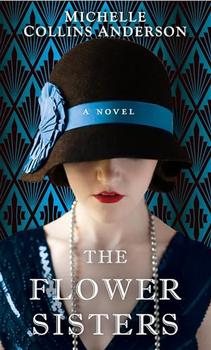
The Flower Sisters
by Michelle Collins Anderson
From the new Fannie Flagg of the Ozarks, a richly-woven story of family, forgiveness, and reinvention.
Discovery consists of seeing what everybody has seen and thinking what nobody has thought.
Click Here to find out who said this, as well as discovering other famous literary quotes!
Your guide toexceptional books
BookBrowse seeks out and recommends the best in contemporary fiction and nonfiction—books that not only engage and entertain but also deepen our understanding of ourselves and the world around us.