
-
Your next favorite book
is waiting.
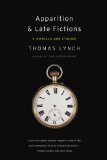
A Novella and Stories
by Thomas Lynch Book Reviewed by:
Thomas Lynch begins each of his stories with a disaster. Deaths, divorces, cremated ashes, and autopsied bodies: these are the opening images and situations of a Lynch story. If you know Thomas Lynch the poet and essayist or Thomas Lynch the funeral director of Milford, Michigan, then these beginnings will not shock you. But even if you do not already know Lynch's earlier works or primary profession, his debut fiction collection is filled with the sorts of lives that you might expect from a thirty-five year veteran of the death industry.
Undertakers, housewives, fishermen, casket salesmen, and ministers: these are the characters who Lynch selects for his feeling, searching stories and novella. Indeed, these fictional lives feel so honest and genuine that it is hard not to assume they come directly from Lynch's experiences as the director of his family's funeral home in southeastern Michigan, where he has worked steadily since 1974.
The four stories and one novella that compose Apparition and Late Fictions are each beautifully polished. Getting their unpleasant facts out of the way in their opening lines and paragraphs, they freely sympathize and patiently dramatize the haunting troubles and lingering insecurities of their characters. The disasters of Lynch's fictional world are fierce, but they fade realistically into the everyday lives of these mothers, salesmen, professors, lovers, and pastors.
Lynch's strong style commands these various characters, shaping their thoughts and ambitions, dreams and regrets with the same thick stoicism. Whether grieving a lost loved one, hatching a new business scheme, tracking down a spouse's adulterous lover, or preparing a body for burial, Lynch's characters all conduct themselves with near-constant dignity. This is not to say that Lynch excises conflict or confusing emotions from his stories, only that his narrative style fixes these elements on the page with a measured, steady voice.
It's as if Lynch has captured the constant vigilance and abiding presence of his professional life as a funeral director in his written words. When so many fiction writers crowd their stories and novels with hundreds of characters and thousands of extraneous details, it's calming to settle into Lynch's rich, tightly focused narratives. He gives each life equal weight and every decision the same level of significance, so that somehow a son's uncertainty about how to dispose of his share of his father's ashes is as pressing a problem as what a soon-to-be-divorced pastor will do with his two young children and his increasingly prying congregation when his marriage ends.
An equally impressive feat is Lynch's rewriting of Thomas Mann's Death in Venice from the perspective of a female narrator without diminishing the suspense and dread of the story. "Matinée de Septembre" is the most self-consciously literary of all the stories in this collection, but what Aisling Black, the forty-year-old widowed poet and professor, will do to or with Bintalou, the young Jamaican service girl at her holiday hotel, is every bit as consuming as the original tale of Aschenbach and Tadzio.
The old and the new, the living and the dead: this collection of short stories is a trove of carefully observed lives. If you're drawn to quiet, moving portraits and patient character studies, you'll find all this and more in Apparition and Late Fiction.
 This review was originally published in February 2010, and has been updated for the
February 2011 paperback release.
Click here to go to this issue.
This review was originally published in February 2010, and has been updated for the
February 2011 paperback release.
Click here to go to this issue.
If the subject of the Inevitable piques your interest, may we suggest...
If you're looking for funeral fiction, William Faulkner's As I Lay Dying is the king of the canon. Its curious style creates a moving portrait of the Bundren Family attempting to bury its matriarch Addie Bundren. With almost sixty chapters and fifteen narrators, the novel is a diverse portrait of familial grief. Another brilliant account of death in the South is Eudora Welty's The Optimist's Daughter, which won the Pulitzer Prize in 1972. The passing of Judge Clint McKelva is the occasion for the novel, but his funeral and memory provide more than enough emotion and drama for his surviving daughter and young window. For something more contemporary, try Ian McEwan's Amsterdam, a dark, but perfect novella. It starts at the funeral of Molly Lane, a charming woman whose life and marriage were full of affairs, and follows three of her many lovers as their working and personal lives entangle.
Craving something more than fiction? Thomas Lynch himself writes frequently on his work as undertaker. His beautiful collection of essays The Undertaking: Life Studies from the Dismal Trade begins tellingly with the line: "Every year I bury a couple hundred of my townspeople." But the classic study of the American funeral industry is Jessica Mitford's The American Way of Death. First published in 1963, Mitford's book exposed the expense and excess of funerals and memorials and the racketeering practices of funeral directors around the country. She revised the book just before her death, so look for the updated edition from 1998.
Lynch's nonfiction inspired a PBS Frontline special: The Undertaking. It aired in 2007 and went on to win the 2008 Emmy Award for Arts and Culture Documentary. The film thoroughly chronicles the operations at Lynch & Sons in Michigan, from making arrangements with the families to preparing bodies in the embalming room.
If you're looking for something visual but not as visceral, try HBO's Six Feet Under or Showtime's Dead Like Me. Both shows focus on life after death; "Six Feet Under" is Alan Ball's wicked look at the Fisher family's funeral home business in Los Angeles, while "Dead Wicked", a drama following a half dozen "reapers" as they take the souls of the living and help them on their way to the other side, is more comical.
Read an interview with Thomas Lynch about his career as a funeral director.
This review was originally published in February 2010, and has been updated for the
February 2011 paperback release.
Click here to go to this issue.
Your guide toexceptional books
BookBrowse seeks out and recommends the best in contemporary fiction and nonfiction—books that not only engage and entertain but also deepen our understanding of ourselves and the world around us.
