
-
Your next favorite book
is waiting.
Author Biography | Interview | Books by this Author | Read-Alikes
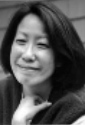
Gish Jen's work has been included in The Best American Short Stories five times, including in The Best American Short Stories of the Century. A fellow of both the American Academy of Arts and Letters, and the American Academy of Arts and Sciences, she has received NEA, Guggenheim, and Radcliffe fellowships, a Lannan Literary Award, and a five-year Mildred and Harold Strauss Living Award. Her short work has appeared in The New Yorker, The Atlantic Monthly, The New York Times, and many anthologies; she has taught at Harvard University, NYU Shanghai, and other universities.
Bad Bad Girl is her tenth book.
Gish Jen's website
This bio was last updated on 10/07/2025. In a perfect world, we would like to keep all of BookBrowse's biographies up to date, but with many thousands of lives to keep track of it's simply impossible to do. So, if the date of this bio is not recent, you may wish to do an internet search for a more current source, such as the author's website or social media presence. If you are the author or publisher and would like us to update this biography, send the complete text and we will replace the old with the new.
The Love Wife is your third novel. How might this book
surprise readers of your previous novels, Typical American and Mona
in the Promised Land? What surprised you?
The Love Wife is not about the Chang family, for one thing.
Also this book is, I hate to say more middle-aged, but that's probably
the truth. I've lived through more, and it shows.
At the same time, what really surprised me about The Love Wife was,
paradoxically, how young I felt, writing it. In my non-writing
life, I felt tired and stressed and a shadow of my younger self in most every
respect. In my writing life, though, all of that seemed to fall away: This
novel wrote itself and wrote itself as if it did not realize its author got no
sleep and no exercise and could barely remember what year it was. I
could not have been more amazed and grateful.
The novel is told in the different voices of the Wong family. Why
did you decide to write the novel in this form?
The novel came to me this way–as if told by the various Wongs at a
very long family therapy session, only without the therapist, and with
license, it seems, to ...

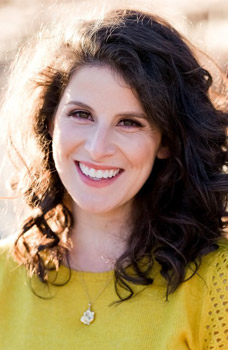
Megan Angelo grew up in Quakertown, Pennsylvania and graduated from Villanova University. Her writing has appeared in the New York Times, the Wall Street Journal, Glamour and Elle, among other publications. She lives in ... (more)
If you enjoyed:
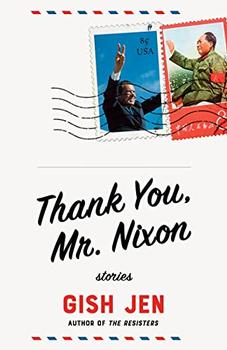
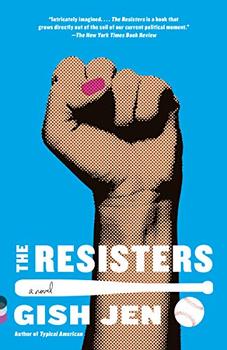
The Resisters
Try:
Followers
by Megan Angelo
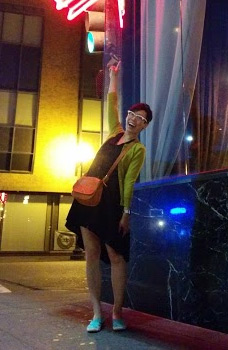
Nancy Au is a genderqueer, bisexual artist and teacher living in Oakland, California. She graduated from U.C. Berkeley with a degree in anthropology, and has an MFA from San Francisco State University where she teaches ... (more)
If you enjoyed:
Thank You, Mr. Nixon
Try:
Spider Love Song and Other Stories
by Nancy Au
We recommend 32 similar authors

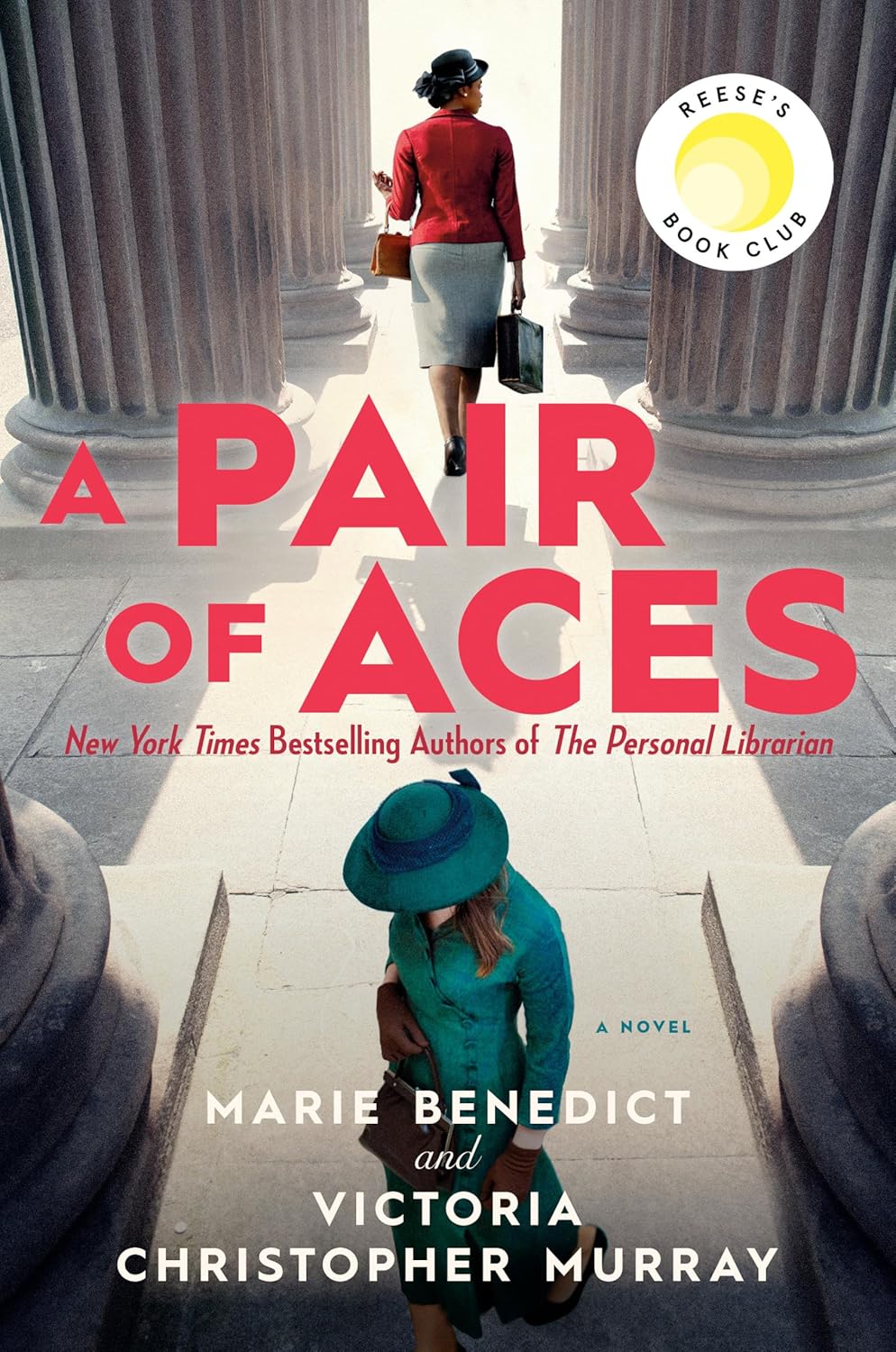
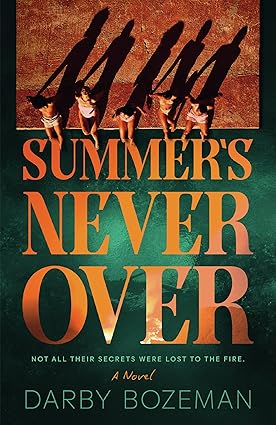


Beliefs are what divide people. Doubt unites them
Click Here to find out who said this, as well as discovering other famous literary quotes!

Can you name the title?
Test your book knowledge with our daily trivia challenge!
Your guide toexceptional books
BookBrowse seeks out and recommends the best in contemporary fiction and nonfiction—books that not only engage and entertain but also deepen our understanding of ourselves and the world around us.
