
-
Your next favorite book
is waiting.
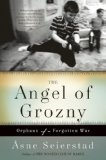
Orphans of a Forgotten War
n the early hours of New Year’s 1994, Russian troops invaded the Republic of Chechnya, plunging the country into a prolonged and bloody conflict that continues to this day. A foreign correspondent in Moscow at the time, Åsne Seierstad traveled regularly to Chechnya to report on the war, describing its affects on those trying to live their daily lives amidst violence.
In the following decade, Seierstad became an internationally renowned reporter and author, traveling to the Balkans, Afghanistan, Iraq, and other war-torn regions. But she never lost sight of this conflict that had initially inspired her career. Over the course of a decade, she watched as Russia ruthlessly suppressed an Islamic rebellion in two bloody wars and as Chechnya evolved into one of the flashpoints in a world now focused on the threat of international terrorism.
In 2006, Seierstad finally returned to Chechnya, traveling in secret and under the constant threat of danger. In a broken and devastated society she lived with orphans, the wounded, the lost. And she lived with the children of Grozny, those who will shape the country’s future. She asks the question: What happens to a child who grows up surrounded by war and accustomed to violence?
A compelling, intimate, and often heartbreaking portrait of Chechnya today, The Angel of Grozny is a vivid account of a land’s violent history and its ongoing battle for freedom.
"Starred Review. Seierstad's vivid, unsparing reportage makes this distant tragedy very personal." - Publishers Weekly.
"The ending is far from happy, and it reminds readers that there is more than one war happening in our world today. " - Library Journal.
"A sympathetic, brave work from a deeply engaged war correspondent." - Kirkus Reviews.
"Starred Review." - Booklist.
This information about The Angel of Grozny was first featured
in "The BookBrowse Review" - BookBrowse's membership magazine, and in our weekly "Publishing This Week" newsletter. Publication information is for the USA, and (unless stated otherwise) represents the first print edition. The reviews are necessarily limited to those that were available to us ahead of publication. If you are the publisher or author and feel that they do not properly reflect the range of media opinion now available, send us a message with the mainstream reviews that you would like to see added.
Any "Author Information" displayed below reflects the author's biography at the time this particular book was published.
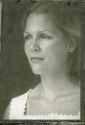
Photo: hachettebookgroup.com
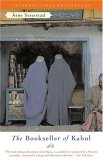
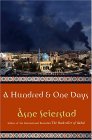
Åsne Seierstad is an award-winning Norwegian journalist and writer known for her work as a war correspondent. She is the author of The Bookseller of Kabul, One Hundred and One Days: A Baghdad Journal, and Angel of Grozny: Inside Chechnya. She lives in Oslo, Norway.


If you liked The Angel of Grozny, try these:
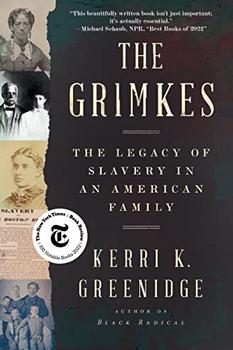
by Kerri K.. Greenidge
Published 2024
A stunning counternarrative of the legendary abolitionist Grimke sisters that finally reclaims the forgotten Black members of their family.

by Delia Owens
Published 2021
Winner of the 2018 BookBrowse Debut Author Award
How long can you protect your heart?
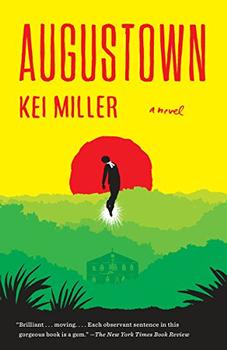
by Kei Miller
Published 2018
In the wake of Marlon James's Man Booker Prize–winning A Brief History of Seven Killings, Augustown - set in the backlands of Jamaica - is a magical and haunting novel of one woman's struggle to rise above the brutal vicissitudes of history, race, class, collective memory, violence, and myth.





When an old man dies, a library burns to the ground.
Click Here to find out who said this, as well as discovering other famous literary quotes!

Can you name the title?
Test your book knowledge with our daily trivia challenge!
Your guide toexceptional books
BookBrowse seeks out and recommends the best in contemporary fiction and nonfiction—books that not only engage and entertain but also deepen our understanding of ourselves and the world around us.
