
-
Your next favorite book
is waiting.
Summary | Excerpt | Reviews | Read-Alikes | Genres & Themes | Author Bio
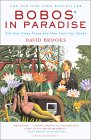
The New Upper Class and How They Got There
by David BrooksLaugh and sob as you read about the information age economy's new dominant class.
It used to be pretty easy to distinguish between the bourgeois world of capitalism and the bohemian counterculture. The bourgeois worked for corporations, wore gray, and went to church. The bohemians were artists and intellectuals. Bohemians championed the values of the liberated 1960s; the bourgeois were the enterprising yuppies of the 1980s.
But now the bohemian and the bourgeois are all mixed up, as David Brooks explains in this brilliant description of upscale culture in America. It is hard to tell an espresso-sipping professor from a cappuccino-gulping banker. Laugh and sob as you read about the information age economy's new dominant class. Marvel at their attitudes toward morality, sex, work, and lifestyle, and at how the members of this new elite have combined the values of the countercultural sixties with those of the achieving eighties. These are the people who set the tone for society today, for you. They are bourgeois bohemians: Bobos.
Are you a Bobo?
If you answered yes to any of those questions, you are probably a member of today's new upper class. Even if you didn't, you'd still better pay attention, because these Bobos define our age. Their hybrid culture is the atmosphere we breathe. Their status codes govern social life, and their moral codes govern ethics and influence our politics. Bobos in Paradise is a witty and serious look at the cultural consequences of the information age and a penetrating description of how we live now.
Introduction
This book started with a series of observations. After four and a half years abroad, I returned to the United States with fresh eyes and was confronted by a series of peculiar juxtapositions. WASPy upscale suburbs were suddenly dotted with arty coffeehouses where people drank little European coffees and listened to alternative music. Meanwhile, the bohemian downtown neighborhoods were packed with multimillion-dollar lofts and those upscale gardening stores where you can buy a faux-authentic trowel for $35.99. Suddenly massive corporations like Microsoft and the Gap were on the scene, citing Gandhi and Jack Kerouac in their advertisements. And the status rules seemed to be turned upside down. Hip lawyers were wearing those teeny tiny steel-framed glasses because now it was apparently more prestigious to look like Franz Kafka than Paul Newman.
The thing that struck me as oddest was the way the old categories no longer made sense. Throughout the twentieth century it's ...

If you liked Bobos In Paradise, try these:
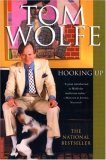
by Tom Wolfe
Published 2001
America's maestro reporter/novelist gives America an MRI at the dawn of a new age: Hooking Up is a book in three parts: one part novella, one part memoir, one part rumination on American life at the turn of the millennium.
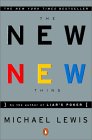
by Michael Lewis
Published 2001
On the wings of Lewis's celebrated storytelling, the reader takes the ride of a lifetime through this strange landscape of geeks and billionaires.


Give me the luxuries of life and I will willingly do without the necessities.
Click Here to find out who said this, as well as discovering other famous literary quotes!

Can you name the title?
Test your book knowledge with our daily trivia challenge!
