Summary | Excerpt | Reviews | Beyond the book | Read-Alikes | Genres & Themes | Author Bio
Critics' Opinion:
Readers' Opinion:
First Published:
Apr 2012, 304 pages
Paperback:
Feb 2013, 304 pages
 Book Reviewed by:
Elizabeth Whitmore Funk
Buy This Book
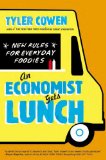
Provocative, incisive, and as enjoyable as a juicy, grass-fed burger, An Economist Gets Lunch will influence what you'll choose to eat today and how we're going to feed the world tomorrow.
Food snobbery is killing entrepreneurship and innovation, says economist, preeminent social commentator, and maverick dining guide blogger Tyler Cowen. Americans are becoming angry that our agricultural practices have led to global warming - but while food snobs are right that local food tastes better, they're wrong that it is better for the environment, and they are wrong that cheap food is bad food. The food world needs to know that you don't have to spend more to eat healthy, green, exciting meals. At last, some good news from an economist!
Tyler Cowen discusses everything from slow food to fast food, from agriculture to gourmet culture, from modernist cuisine to how to pick the best street vendor. He shows why airplane food is bad but airport food is good; why restaurants full of happy, attractive people serve mediocre meals; and why American food has improved as Americans drink more wine. And most important of all, he shows how to get good, cheap eats just about anywhere.
Just as The Great Stagnation was Cowen's response to all the fashionable thinking about the economic crisis, An Economist Gets Lunch is his response to all the fashionable thinking about food. Provocative, incisive, and as enjoyable as a juicy, grass-fed burger, it will influence what you'll choose to eat today and how we're going to feed the world tomorrow.
1
On the Eve of the Revolution
American food is in crisis, and rarely has more disruption loomed before us. People are rebelling against current food-production methods involving long-distance shipping, fertilizers, and genetically modified organisms. Many people have returned to eating locally grown food from small farms, and there is a fear that our agricultural practices lead to mass-produced food products that are bad for our health and worsen climate change. But is this fear well founded? Is local food a good thing?
On the other side of the ledger, we are spending more and more on fancy restaurants. At a time when many economic sectors are struggling, the choices for fine meals are expanding in most American cities. But are we spending our money in the best way possible, or are we overlooking cheaper and possibly superior alternatives?
In a world with some pretty big problems, is it even appropriate to think of food in aesthetic terms as much as we do? The backlash drove a ...
An Economist Gets Lunch demonstrates Cowen's depth of knowledge about a wide variety of food and cooking styles, but it does not show off his ability to construct a succinct argument and compelling narrative. I recommend it for those who are interested in expanding their diets to incorporate a wider range of international dishes and are unsure of or intimidated by the process. For those who already frequent establishments like the Bolivian, North Korean, and Pakistani restaurants that Cowen appreciates, this book will offer a culinary comrade and add another layer of detail to dining experiences. Despite the book's subtitle that proclaims otherwise, Cowen speaks to the consumer who does not identify as a "foodie" but who likes to eat, and wants to eat more than meat and potatoes...continued
Full Review
(682 words)
This review is available to non-members for a limited time. For full access,
become a member today.
(Reviewed by Elizabeth Whitmore Funk).
 Rocco DiSpirito, author of the #1 New York Times bestselling Now Eat This!
A perfect marriage of economics and food. Tyler Cowen is my newest guilty pleasure. Stephen J. Dubner, author of Freakonomics and SuperFreakonomics
Tyler Cowen's latest book is a real treat, probably my favorite thing he's ever written. It does a fantastic job exploring the economics, culture, esthetics, and realities of food, and delivers a mountain of compelling facts. Most of all it's encouraging - not a screed, despite its occasionally serious arguments - and brings the fun back to eating. Delicious!
Rocco DiSpirito, author of the #1 New York Times bestselling Now Eat This!
A perfect marriage of economics and food. Tyler Cowen is my newest guilty pleasure. Stephen J. Dubner, author of Freakonomics and SuperFreakonomics
Tyler Cowen's latest book is a real treat, probably my favorite thing he's ever written. It does a fantastic job exploring the economics, culture, esthetics, and realities of food, and delivers a mountain of compelling facts. Most of all it's encouraging - not a screed, despite its occasionally serious arguments - and brings the fun back to eating. Delicious!In An Economist Gets Lunch, Tyler Cowen frequently references writers who have shaped the way people think about the culinary arts. These writers are not chefs, but critics who look at the role food plays in modern society. The field has grown so popular that there are actually specialist courses teaching the art of food writing. Understanding a little bit about the following food critics can enhance a reader's experience of eating, dining, and food criticism in general:
This "beyond the book" feature is available to non-members for a limited time. Join today for full access.

If you liked An Economist Gets Lunch, try these:

by Carolyn Phillips
Published 2021
Part memoir of life in Taiwan, part love story―a beautifully told account of China's brilliant cuisines…with recipes.
by Jake Halpern
Published 2015
A vital exposé that is also a bravura feat of storytelling.

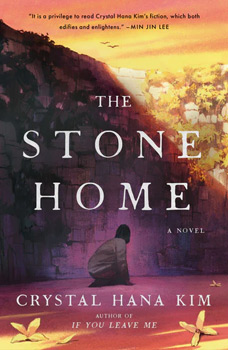
The Stone Home
by Crystal Hana Kim
A moving family drama and coming-of-age story revealing a dark corner of South Korean history.

The Flower Sisters
by Michelle Collins Anderson
From the new Fannie Flagg of the Ozarks, a richly-woven story of family, forgiveness, and reinvention.

The Funeral Cryer by Wenyan Lu
Debut novelist Wenyan Lu brings us this witty yet profound story about one woman's midlife reawakening in contemporary rural China.
Your guide toexceptional books
BookBrowse seeks out and recommends the best in contemporary fiction and nonfiction—books that not only engage and entertain but also deepen our understanding of ourselves and the world around us.