Summary | Excerpt | Reading Guide | Reviews | Read-Alikes | Genres & Themes | Author Bio
Critics' Opinion:
Readers' Opinion:
First Published:
Oct 2000, 352 pages
Paperback:
Sep 2001, 368 pages

Please be aware that this discussion guide will contain spoilers!
Questions for DiscussionFurther Reading
Books about Paris and France stretch out to the end of the horizon, and fill libraries. But the subcategory of books about Americans in Paris is smaller, and still choice. Of twentieth-century books, A. J. Liebling’s Between Meals:An Appetite For Paris is pure gold, as is his The Road Back to Paris. Janet Flanner’s Paris Journals are collections of her letters from Paris for The New Yorker, and are full of condensed, stylized French history. Henry James’s A Little Tour in France is the classic literary guidebook, and James Thurber’s wonderful stories of his mishaps in France are included in My World and Welcome to It and in The Thurber Carnival, particularly the stories “A Ride with Olympy” and “Memoirs of a Drudge”. Ernest Hemingway’s A Moveable Feast is probably the most famous twentieth-century Paris memoir, though it is more about Americans than about Paris.
Novels about Americans in Paris make up an even longer and richer list. They include Henry James’s The American and The Ambassadors. Hemingway’s The Sun Also Rises is the classic story of American expatriates in Paris in the 1920s, and in Irwin Shaw’s Collected Stories there is many a glimpse of American expatriates in the 1950s. F. Scott Fitzgerald’s “Babylon Revisited” is probably the saddest and most beautiful story about an American in Paris after the crash—and the fall.
Finally, George Gershwin’s great tone poem “An American in Paris,” which is heard often in the background of Paris to the Moon, has been recorded many times. The best version is Leonard Bernstein’s 1959 recording, made with the Columbia Symphony Orchestra; it is available on CD. Gershwin’s piece was the basis for a not-bad Gene Kelly movie directed by Vincente Minnelli, widely available on video.
Unless otherwise stated, this discussion guide is reprinted with the permission of Random House. Any page references refer to a USA edition of the book, usually the trade paperback version, and may vary in other editions.

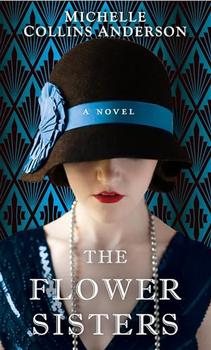
The Flower Sisters
by Michelle Collins Anderson
From the new Fannie Flagg of the Ozarks, a richly-woven story of family, forgiveness, and reinvention.
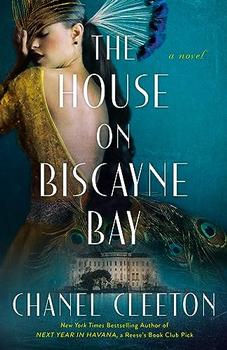
The House on Biscayne Bay
by Chanel Cleeton
As death stalks a gothic mansion in Miami, the lives of two women intertwine as the past and present collide.
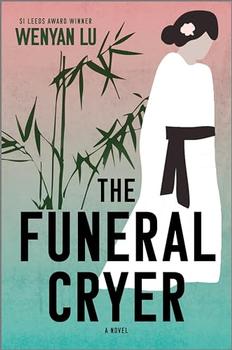
The Funeral Cryer by Wenyan Lu
Debut novelist Wenyan Lu brings us this witty yet profound story about one woman's midlife reawakening in contemporary rural China.
Your guide toexceptional books
BookBrowse seeks out and recommends the best in contemporary fiction and nonfiction—books that not only engage and entertain but also deepen our understanding of ourselves and the world around us.