Summary | Excerpt | Reading Guide | Reviews | Read-Alikes | Genres & Themes | Author Bio
Critics' Opinion:
Readers' Opinion:
First Published:
Jun 1999, 256 pages
Paperback:
Apr 2000, 240 pages

Please be aware that this discussion guide will contain spoilers!
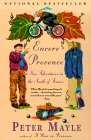
Mayle returns to Provence after an absence of four years and plunges into a new round of adventures (including a fascinating tour of Marseilles, a visit to a school devoted to the development of talented nostrils, and a search for the perfect corkscrew) and new reflections on the treasures that make even the most ordinary day in Provence memorable.For discussion of all three books:
Suggestions for further reading
Ann Barry, At Home in France;
Mary Blume, A French Affair; Bill Bryson, Notes from a Small
Island; Nicholas Delbanco, Running in Place: Scenes from the South of
France; Harriet Doerr, Stones for Ibarra; M.F.K. Fisher, Long Ago
in France, Two Towns in Provence; Frances Mayes, Bella
Tuscany, Under the Tuscan Sun; Harriet Welty Rochefort, French
Toast.
Ideas for 'Discussing' Encore Provence!
Host a Provençal evening with your reading group: For those who can't hop on the next plane to Nice, a Provençal event with your
reading group is a wonderful alternative. With the words of Peter Mayle and a
sampling of the tastes, sites, and sounds of the region, you'll have no trouble
adopting a Provençal sensibility. Here are some suggestions:
Have a tasting: The French are well known for so many delicacies
that the possibilities are numerous here. An obvious choice is wine;
consider a selection of French reds and whites and be sure to include a
variety from the vineyards Peter Mayle recommends in Encore Provence (p.
46-67). Or, be a bit more inventive and consider an olive oil tasting. A
couple of loaves of crusty French bread, a quick review of the techniques
featured in Mayle's "Discovering Oil" chapter, and you're on your
way!
Be a nose: Provence is also famous for its parfumeries, and one
would be hard-pressed to find a more pleasant way to start off an evening
than with a sampling of fine French perfume. Have each member bring a bottle
of their favorite scent, and take turns deciphering the subtleties of the
various fragrances. Again, pay particular attention to the techniques
described by Mayle in his "How to be a Nose" chapter.
Take a pictoral tour of the region: As vivid as Peter Mayle's
imagery can be, can add a whole new dimension to the book. Have any of your
group's members been to Provence? If so, ask them to bring their photo
albums with them. If not, supplement your armchair traveling with pictures
from one of the many books on the region--some of the best images can be
found in the new Fodor's Escape to Provence guide, a charming
full-color hardcover guidebook that shows you exactly how breathtaking this
region can be.
Enjoy a Provençal meal: Consider meeting in a local restaurant
that specializes in Provençal cuisine, inviting a student from a local
cooking school to your home, or, if you're more ambitious, cooking a meal
with your group. Feeling energetic? Follow your meal with a friendly game of
boules--and book discussion!
Suggested cookbooks:
A Passion for My Provence by Lydie
Marshall (HarperPerennial, 1999, paperback),
Provençal Light:
Traditional Recipes from Provence for Today's Healthy Lifestyles by
Martha Rose Schulman (Bantam, 1994, hardcover).
Provence: The
Beautiful Cookbook by Richard Olney, (Collins Publishers, 1993,
hardcover)
Provence Gastronomique by Erica Brown,
photographs by Debbie Patterson (Abbeville Press, 1995, hardcover).
Host an evening of music and film: Even more than still
photographs, motion pictures and music can evoke the character and ambiance
of a place with wonderful clarity. Consider renting some classic Provençal
films, or supplementing a delicious Provençal meal with some traditional
music from the region:
Suggested films: To Catch a Thief (starring Cary Grant
and Grace Kelly); Fanny, My Father's Glory, and My
Mother's Castle, (all based on the memoirs of Marcel Pagnol); A
Year in Provence (a made-for-TV movie based on the first book in
Peter Mayle's Provence trilogy).
Suggested listening: A Table in Provence: Authentic Sounds
of the South of France in 24 Vintage Recordings, EMI
Page numbers refer to the Vintage paperback edition.
Reading group guide and suggested reading list
reproduced with the permission of the publisher, Vintage.
Unless otherwise stated, this discussion guide is reprinted with the permission of Vintage. Any page references refer to a USA edition of the book, usually the trade paperback version, and may vary in other editions.



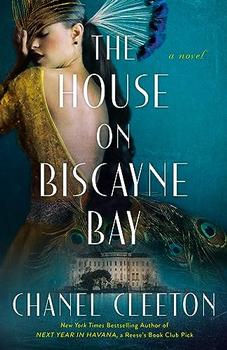
The House on Biscayne Bay
by Chanel Cleeton
As death stalks a gothic mansion in Miami, the lives of two women intertwine as the past and present collide.

The Flower Sisters
by Michelle Collins Anderson
From the new Fannie Flagg of the Ozarks, a richly-woven story of family, forgiveness, and reinvention.

The Funeral Cryer by Wenyan Lu
Debut novelist Wenyan Lu brings us this witty yet profound story about one woman's midlife reawakening in contemporary rural China.
Your guide toexceptional books
BookBrowse seeks out and recommends the best in contemporary fiction and nonfiction—books that not only engage and entertain but also deepen our understanding of ourselves and the world around us.