Summary | Excerpt | Reading Guide | Reviews | Beyond the book | Read-Alikes | Genres & Themes | Author Bio
Critics' Opinion:
Readers' Opinion:
First Published:
Feb 2009, 560 pages
Paperback:
Jan 2010, 560 pages
 Book Reviewed by:
Lucia Silva
Buy This Book
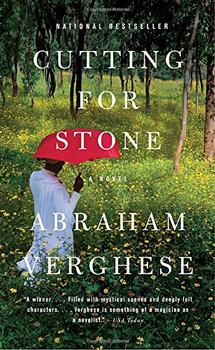
As a bookseller, I live for novels like Cutting for Stone - big, fat,
beautiful novels as beguiling and enchanting as babies, as wise and as generous
as old sages. They are the bread-and-butter novels I can't wait to sell, the
books people talk about all year long, the books they buy for their sisters and
fathers, the book they press into the hands of friends with insistent, almost
violent exhortations. Read this. You will love it. You HAVE to read this
book. I talk about these books in the plural, as if there are scores of
them, but while their iconic status is great, their numbers are few. They don't
come along every season, or even every year, but I wait for them, hoping every
third book I read will be the one, that one single book that makes my heart leap
every time I know someone else is going to get to read it, too. And so, let me
be the first, but certainly not the last to tell you: Read this book. You
will love it.
Abraham Verghese's gorgeous prose forms an intoxicating synergy with his
sweeping, twining plot, and I was hooked from the very first page. I raced
through the remaining 500, and then couldn't bear to turn the last few. The
story begins like a sudden storm and channels into a swift current that's
difficult to emerge from: I stayed up through the wee hours, and polished off
this hefty book in just two long nights.
Cutting for Stone is about all the giant things: family, love, war, home,
land, life, death, exile, brotherhood, betrayal, and faith. There are lovable
mothers and fathers, telepathic twins, mysterious priests, brave nuns,
despicable generals, weak giants, miracles, rock and roll, sex, food, dusty dirt
roads and city streets, and countless operating rooms. Verghese's reach is vast,
but the intimacy of his characters keeps the novel close, writing about the big
things through tiny, intimate, emotional moments that drive to the heart of all
that we find most impossible to describe.
When I originally reviewed this book last year, a few weeks before it published, I was bold enough to claim that it would go on to be named one of the best novels of 2009, not just by myself, but possibly by every book review's top-ten list, shortlisted for all of the major book awards, and decorated with Oprah's book club sticker. I may have failed at the prediction game, but I'll surely stick to the recommending game: Literally dozens of readers have returned to my bookstore (some just two days later!) to thank me for recommending Cutting for Stone, and to buy copies for their friends. And it was voted by our very own BookBrowse readers one of the top 3 books of 2009. I'll take those votes over Oprah's any day!
First Impressions
20 BookBrowse members reviewed Cutting For Stone rating it an
extremely high 4.7 out of 5.0 overall - one of our highest rated of the 100+
books read to date!
 This review was originally published in The BookBrowse Review in February 2009, and has been updated for the
February 2010 edition.
Click here to go to this issue.
This review was originally published in The BookBrowse Review in February 2009, and has been updated for the
February 2010 edition.
Click here to go to this issue.

If you liked Cutting For Stone, try these:
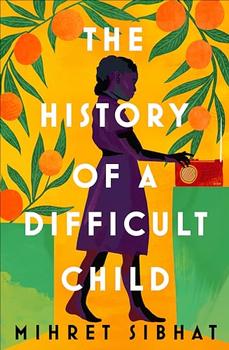
The History of a Difficult Child
by Mihret Sibhat
Published 2024
A breathtaking, tragicomic debut novel about the indomitable child of a scorned, formerly land-owning family who must grow up in the wake of Ethiopia's socialist revolution
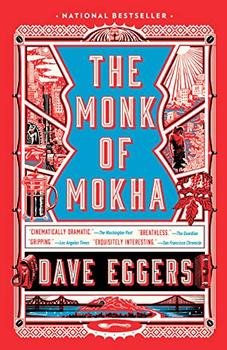
by Dave Eggers
Published 2019
From the best-selling author of The Circle and What Is the What, a heart-pounding true story that weaves together the history of coffee, the struggles of everyday Yemenis living through civil war and the courageous journey of a young man - a Muslim and a U.S. citizen - following the most American of dreams.
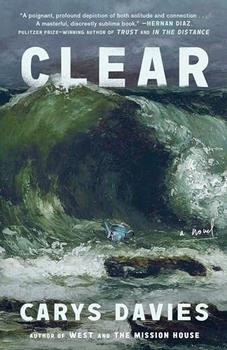
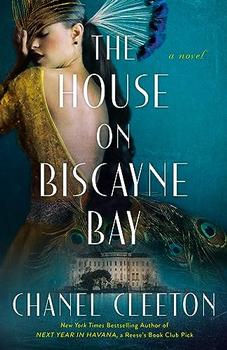
The House on Biscayne Bay
by Chanel Cleeton
As death stalks a gothic mansion in Miami, the lives of two women intertwine as the past and present collide.
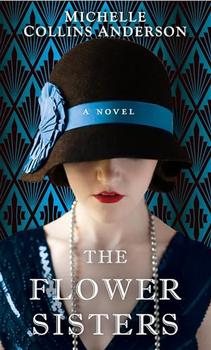
The Flower Sisters
by Michelle Collins Anderson
From the new Fannie Flagg of the Ozarks, a richly-woven story of family, forgiveness, and reinvention.
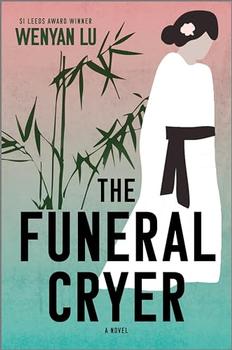
The Funeral Cryer by Wenyan Lu
Debut novelist Wenyan Lu brings us this witty yet profound story about one woman's midlife reawakening in contemporary rural China.
Your guide toexceptional books
BookBrowse seeks out and recommends the best in contemporary fiction and nonfiction—books that not only engage and entertain but also deepen our understanding of ourselves and the world around us.