Summary | Excerpt | Reviews | Beyond the book | Read-Alikes | Genres & Themes | Author Bio
Critics' Opinion:
Readers' Opinion:
First Published:
Aug 2008, 352 pages
Paperback:
Sep 2009, 352 pages
 Book Reviewed by:
Karen Rigby
Buy This Book
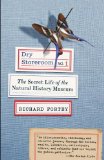
From mushroom gnats to amethysts, botanical prints to vertebrae,
the ordinary rests alongside the extraordinary in Dry Storeroom No. 1,
The Secret Life of the Natural History Museum. Like artist
Joseph
Cornell's boxes, the book presents a cloistered world with all the eccentric
curiosities inherent in the process of acquiring, labeling, and storing
specimens.
Once viewed as markers of civilization, museums were a gentleman's pastime.
Fortey's passing references to the British Empire could make it seem as though
19th century game trophies were on a par with women's genteel
watercolors, but despite any omissions regarding colonialism or the ethics of
hunting abroad for collections, the book maintains a charm difficult to
criticize.
Rather than dwelling on the unsavory aspects of museum-making—at one point
Fortey encounters a cupboard filled with models of human heads, arranged by
racial stereotype—the book focuses on the rooms and researchers behind the
public galleries. Small details often taken for granted are presented as
they are; it is up to the readers to make of them what they will, and in the
end, this may be the better, if safer, approach, considering that Fortey admits
that his book is not meant to be a "comprehensive account". Being guided
by an insider has its benefits and drawbacks, but the benefits outweigh any
minor complaints about presenting a more dimensional portrait.
Fortey takes a strong position when it comes to the matter of preservation. He
periodically returns to the idea that museums are "first and foremost, a
celebration of what time has done to life", adding that "the planet's very
survival might depend upon such knowledge." The connection is obvious in
retrospect, but the environment isn't the first cause that comes to mind when
thinking of museums (tourism seems more likely). This alone makes the book
noteworthy, compelling one to realize that museums are far from being static
institutions. For all that one might debate the methods for creating museums in
the 18th and 19th centuries, the urgency to document and save species before
they disappear is clear. Museums can be ideal harbingers for change, as
when Fortey's colleague, Alwyne Wheeler, led the effort to clean the River
Thames.
Fortey's passion for stewardship is convincing and comes across clearly in the way
that the book's content and style mirror each other. This is not
a fast-paced book to absorb in one sitting but its meticulous descriptions will
please the reader
who is sharply attuned to every turn of phrase. While at first
glance Dry Storeroom No. 1 would appear to be of interest only to a niche
audience interested in the nuances of taxonomy and other somewhat rarefied
subjects, Fortey's ability to meld science and autobiography with an essayist's
skill has created a book rich with trivia and anecdotes that has much to offer
the casual reader. If the language is occasionally burdened by an excess
of crystalline details, patience is rewarded in this tribute to the
simultaneously timeless and mutable world.
 This review was originally published in The BookBrowse Review in September 2008, and has been updated for the
October 2009 edition.
Click here to go to this issue.
This review was originally published in The BookBrowse Review in September 2008, and has been updated for the
October 2009 edition.
Click here to go to this issue.

If you liked Dry Storeroom No. 1, try these:
by Cristin O'Keefe Aptowicz
Published 2015
A mesmerizing biography of the brilliant and eccentric medical innovator who revolutionized American surgery and founded the country's most famous museum of medical oddities
by Rob Dunn
Published 2014
A biologist shows the influence of wild species on our well-being and the world and how nature still clings to us - and always will.

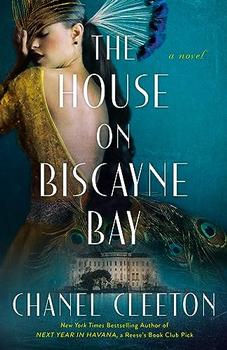
The House on Biscayne Bay
by Chanel Cleeton
As death stalks a gothic mansion in Miami, the lives of two women intertwine as the past and present collide.
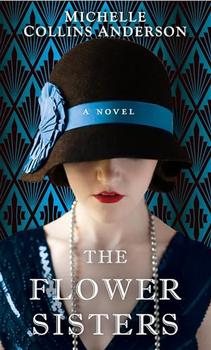
The Flower Sisters
by Michelle Collins Anderson
From the new Fannie Flagg of the Ozarks, a richly-woven story of family, forgiveness, and reinvention.
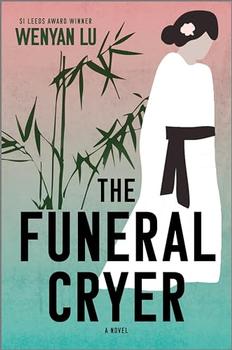
The Funeral Cryer by Wenyan Lu
Debut novelist Wenyan Lu brings us this witty yet profound story about one woman's midlife reawakening in contemporary rural China.
Your guide toexceptional books
BookBrowse seeks out and recommends the best in contemporary fiction and nonfiction—books that not only engage and entertain but also deepen our understanding of ourselves and the world around us.