Summary | Excerpt | Reading Guide | Reviews | Beyond the book | Read-Alikes | Genres & Themes | Author Bio
Critics' Opinion:
Readers' Opinion:
First Published:
Apr 2008, 528 pages
Paperback:
Jun 2009, 528 pages
 Book Reviewed by:
Lucia Silva
Buy This Book
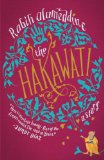
The Hakawati is a big, giant treat of a book, which is not to
say that it's an easy read, or that it isn't packed with more meaty fare closer
to the bone. Rabih Alameddine shines as a storyteller and a novelist, and
nowhere are the distinctions between the two vocations more evident than in this
lovely, captivating tome. As a storyteller, Alameddine dazzles us with bejeweled
adventure stories of lust and love, murder, scandal, and war. As a novelist, he
crafts a complex structure, shaping subtle mirrors between the flights of fancy
and the central story of a family in war-torn Beirut, gently shifting the
perspective until, like a mosaic, the tiny pieces begin to take shape, and the
real picture of the novel emerges.
Like a merry-making band of magic carpets, the folk tales and adventure stories
woven into the central story of a Lebanese family whisk the reader away again
and again, acting as both mischievous troublemakers and sage guides. Part of the
great joy of reading The Hakawati is the escapist pleasure found in these
fanciful digressions, but this is also one of its challenges. Early in the
novel, I found myself struggling to keep the thread of the multiple storylines
as they pop in and out, nearly unannounced, sometimes each only sticking around
for a paragraph or two before disappearing for pages and pages. Frustrated, but
bewitched by Alameddine's fine prose and addictive tales, I stuck with it, and
ceased to be concerned with putting the pieces together, and was ultimately
rewarded for shirking my assumed duties as a reader. I lost myself in tales of
Fatima and her jinnis, sultans and their great battles, Abraham, Sarah and Hagar
reinvented and made real, and watched as they sent echoes into the deeper, bleaker
story of a family and their own stories, ancient legacies and culture rent by
war.
The Hakawati, like any good novel, isn't for everyone. Reading it takes a
little practice, a little pacing, and if you're really lucky, one empty weekend
to devour it whole. My advice to potential readers is this: Surrender to this
hakawati. Get on his magic carpet, and let him tell you a story. In fact, let
him tell you one thousand stories. He'll handle all the details, and you can sit
back and enjoy the ride.
 This review was originally published in The BookBrowse Review in May 2008, and has been updated for the
June 2009 edition.
Click here to go to this issue.
This review was originally published in The BookBrowse Review in May 2008, and has been updated for the
June 2009 edition.
Click here to go to this issue.

If you liked The Hakawati, try these:
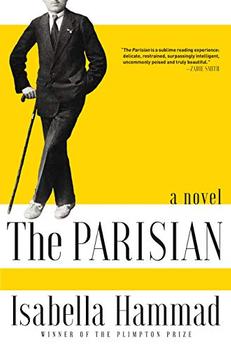
by Isabella Hammad
Published 2019
A masterful debut novel by Plimpton Prize winner Isabella Hammad, The Parisian illuminates a pivotal period of Palestinian history through the journey and romances of one young man, from his studies in France during World War I to his return to Palestine at the dawn of its battle for independence.

by Susan Barker
Published 2016
An original novel about a Beijing taxi driver whose past incarnations over one thousand years haunt him through searing letters sent by his mysterious soulmate.




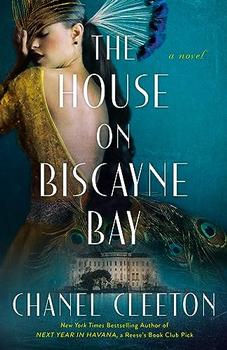
The House on Biscayne Bay
by Chanel Cleeton
As death stalks a gothic mansion in Miami, the lives of two women intertwine as the past and present collide.
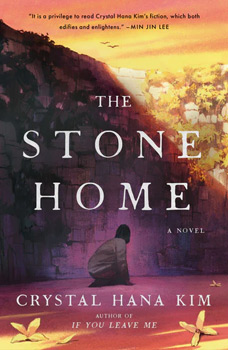
The Stone Home
by Crystal Hana Kim
A moving family drama and coming-of-age story revealing a dark corner of South Korean history.

The Funeral Cryer by Wenyan Lu
Debut novelist Wenyan Lu brings us this witty yet profound story about one woman's midlife reawakening in contemporary rural China.
Your guide toexceptional books
BookBrowse seeks out and recommends the best in contemporary fiction and nonfiction—books that not only engage and entertain but also deepen our understanding of ourselves and the world around us.