
-
Your next favorite book
is waiting.
Summary | Excerpt | Reviews | Beyond the book | Read-Alikes | Genres & Themes | Author Bio
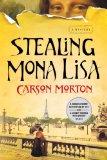
A Mystery
by Carson Morton Book Reviewed by:
Stories on museum thefts often recall heist films with acts of bravado and an elite, sangfroid criminal class. At the other extreme, they can also recall campy '60s capers that delight audiences with bumbling characters who manage to get by in spite of themselves. Stealing Mona Lisa - a debut novel that effectively draws from the public's fascination with the underworld - combines elements of both suave manipulation and occasional humor. Like several Hollywood plots, it also aligns with a criminal perspective from the beginning, states its motives plainly, and differs from traditional whodunits that are punctuated by red herrings and that rely on revelations. The heist, after all, derives much of its pleasure from letting viewers know more about what has happened than the authorities in pursuit. The suspense isn't about figuring out the whys and wherefores; instead, anticipation builds by delaying when the adversaries will finally meet and by raising doubts about whether or not the criminals will ultimately get away.
Morton immediately establishes the fictional mastermind of the 1911 Mona Lisa theft, Eduardo de Valfierno. When a journalist prompts the aging dealer-in-forgeries to recount the events that lead his group to The Louvre, readers learn that he follows an incredibly basic modus operandi: he simply convinces wealthy patrons to buy famous works of art that he then substitutes with forgeries. The author assumes that greed and gullibility are adequate reasons to explain why the patrons do not question the transaction further. Valfierno rarely encounters real opposition, and in the absence of equally savvy clients, comes across as a man with great powers of persuasion.
Such high-level swindling, of course, requires a network of thieves, and it is in this aspect that Stealing Mona Lisa shines most. Morton creates a winsome trio of accomplices that entertain even though they are mostly familiar types: Émile, the orphan-turned-loyal-sidekick; the beautiful, distracting Julia, whose primary role is to charm her way out of delicate situations; and Diego, the temperamental artist responsible for creating the forgeries. Flirtatious tensions and a grudging respect for each other's talents play out against an early 20th century Parisian backdrop as they embark on what they hope will become their greatest feat: stealing the Mona Lisa to increase the perceived value of their Mona Lisa forgeries and then returning the original painting.
Plans appear to proceed smoothly until, among other complications, one of Valfierno's clients catches on to the hoax and seeks revenge with the help of a former Pinkerton Detective Agency member. The novel peaks during an act of nature that cuts the final confrontation short and returns to the opening frame story with the journalist and Valfierno.
However straightforward the plot may seem, it is handled with inventive turns. There is seldom a slack moment, and historical characters such as Pablo Picasso and poet Guillaume Apollinaire add glamour to an already intriguing atmosphere. Morton carefully combines real details from the period with a romantic side-plot involving Valfierno, international travel, and themes of loyalty as well as hubris. The final, fictional fate of the Mona Lisa - while a stretch - will also leave readers contemplating questions of authenticity, of who appreciates art, and of where art really belongs.
 This review was originally published in The BookBrowse Review in September 2011, and has been updated for the
October 2012 edition.
Click here to go to this issue.
This review was originally published in The BookBrowse Review in September 2011, and has been updated for the
October 2012 edition.
Click here to go to this issue.

If you liked Stealing Mona Lisa, try these:
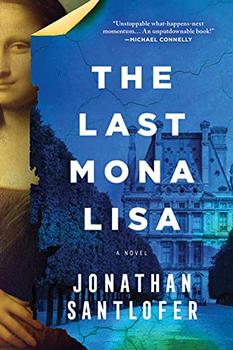
by Jonathan Santlofer
Published 2021
A gripping novel exploring the Mona Lisa's very real theft in 1911 and the present underbelly of the art world, The Last Mona Lisa is a suspenseful tale, tapping into our universal fascination with da Vinci's enigma, why people are driven to possess certain works of art, and our fascination with the authentic and the fake.
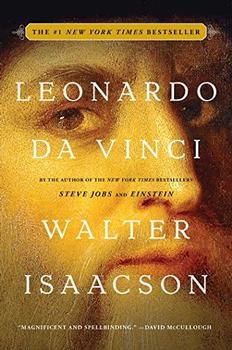
by Walter Isaacson
Published 2018
He was history's most creative genius. What secrets can he teach us? The author of the acclaimed bestsellers Steve Jobs, Einstein, and Benjamin Franklin brings Leonardo da Vinci to life in this exciting new biography.
by Eleanor Catton
Published 2014
From the author of The Rehearsal comes a breathtaking feat of storytelling where everything is connected, but nothing is as it seems....



Judge a man by his questions rather than by his answers.
Click Here to find out who said this, as well as discovering other famous literary quotes!

Can you name the title?
Test your book knowledge with our daily trivia challenge!
Your guide toexceptional books
BookBrowse seeks out and recommends the best in contemporary fiction and nonfiction—books that not only engage and entertain but also deepen our understanding of ourselves and the world around us.
