To copy without understanding why and/or thinking of the consequences
This expression is thought to originate with the folklore of Mali, West Africa. It appears to have been in use in Jamaica in the 18th century and migrated to the USA around the early 1920s. It can be found in the UK from the 1950s, possibly as a legacy of the US military presence in the UK during World War II, but more likely brought in by the many Jamaican immigrants to the UK in the 1950s.
The French have a similar expression: Singe qui voit, singe qui fait
More expressions and their source
Challenge yourself with BookBrowse Wordplays






The Flower Sisters
by Michelle Collins Anderson
From the new Fannie Flagg of the Ozarks, a richly-woven story of family, forgiveness, and reinvention.
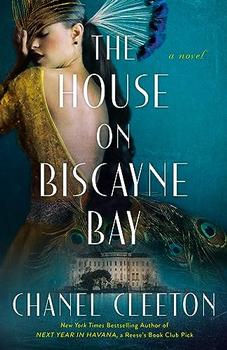
The House on Biscayne Bay
by Chanel Cleeton
As death stalks a gothic mansion in Miami, the lives of two women intertwine as the past and present collide.

The Funeral Cryer by Wenyan Lu
Debut novelist Wenyan Lu brings us this witty yet profound story about one woman's midlife reawakening in contemporary rural China.
Your guide toexceptional books
BookBrowse seeks out and recommends the best in contemporary fiction and nonfiction—books that not only engage and entertain but also deepen our understanding of ourselves and the world around us.