Summary | Excerpt | Reviews | Readalikes | Genres & Themes | Author Bio

Critics' Opinion:
Readers' Opinion:
First Published:
May 2000, 224 pages
Paperback:
Jun 2001, 224 pages

Chapter One
Go Carolina
ANYONE WHO WATCHES EVEN THE SLIGHTEST amount of TV is familiar with the scene: An agent knocks on the door of some seemingly ordinary home or office. The door opens, and the person holding the knob is asked to identify himself. The agent then says, "I'm going to ask you to come with me."
They're always remarkably calm, these agents. If asked "Why do I need to go anywhere with you?" they'll straighten their shirt cuffs or idly brush stray hairs from the sleeves of their sport coats and say, "Oh, I think we both know why."
The suspect then chooses between doing things the hard way and doing things the easy way, and the scene ends with either gunfire or the gentlemanly application of handcuffs. Occasionally it's a case of mistaken identity, but most often the suspect knows exactly why he's being taken. It seems he's been expecting this to happen. The anticipation has ruled his life, and now, finally, the wait is over. You're sometimes led to believe that this person is actually relieved, but I've never bought it. Though it probably has its moments, the average day spent in hiding is bound to beat the average day spent in prison. When it comes time to decide who gets the bottom bunk, I think anyone would agree that there's a lot to be said for doing things the hard way.
The agent came for me during a geography lesson. She entered the room and nodded at my fifth-grade teacher, who stood frowning at a map of Europe. What would needle me later was the realization that this had all been prearranged. My capture had been scheduled to go down at exactly 2:30 on a Thursday afternoon. The agent would be wearing a dung-colored blazer over a red knit turtleneck, her heels sensibly low in case the suspect should attempt a quick getaway.
"David," the teacher said, "this is Miss Samson, and she'd like you to go with her now."
No one else had been called, so why me? I ran down a list of recent crimes, looking for a conviction that might stick. Setting fire to a reportedly flameproof Halloween costume, stealing a set of barbecue tongs from an unguarded patio, altering the word hit on a list of rules posted on the gymnasium door; never did it occur to me that I might be innocent.
"You might want to take your books with you," the teacher said. "And your jacket. You probably won't be back before the bell rings."
Though she seemed old at the time, the agent was most likely fresh out of college. She walked beside me and asked what appeared to be an innocent and unrelated question: "So, which do you like better, State or Carolina?"
She was referring to the athletic rivalry between the Triangle area's two largest universities. Those who cared about such things tended to express their allegiance by wearing either Tar Heel powder blue, or Wolf Pack red, two colors that managed to look good on no one. The question of team preference was common in our part of North Carolina, and the answer supposedly spoke volumes about the kind of person you either were or hoped to become. I had no interest in football or basketball but had learned it was best to pretend otherwise. If a boy didn't care for barbecued chicken or potato chips, people would accept it as a matter of personal taste, saying, "Oh well, I guess it takes all kinds." You could turn up your nose at the president or Coke or even God, but there were names for boys who didn't like sports. When the subject came up, I found it best to ask which team my questioner preferred. Then I'd say, "Really? Me, too!"
Asked by the agent which team I supported, I took my cue from her red turtleneck and told her that I was for State. "Definitely State. State all the way."
It was an answer I would regret for years to come.
"State, did you say?" the agent asked.
"Yes, State. They're the greatest."
Copyright © 2000 by David Sedaris





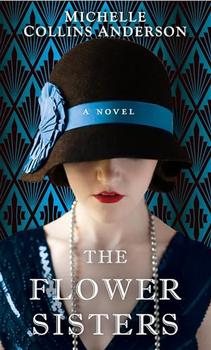
The Flower Sisters
by Michelle Collins Anderson
From the new Fannie Flagg of the Ozarks, a richly-woven story of family, forgiveness, and reinvention.
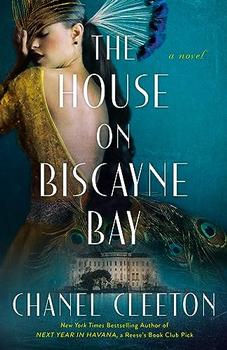
The House on Biscayne Bay
by Chanel Cleeton
As death stalks a gothic mansion in Miami, the lives of two women intertwine as the past and present collide.

The Funeral Cryer by Wenyan Lu
Debut novelist Wenyan Lu brings us this witty yet profound story about one woman's midlife reawakening in contemporary rural China.
Your guide toexceptional books
BookBrowse seeks out and recommends the best in contemporary fiction and nonfiction—books that not only engage and entertain but also deepen our understanding of ourselves and the world around us.