Summary | Excerpt | Reviews | Beyond the Book | Readalikes | Genres & Themes | Author Bio
Critics' Opinion:
Readers' Opinion:
First Published:
Nov 2006, 384 pages
Paperback:
Mar 2008, 396 pages
 Book Reviewed by:
BookBrowse Review Team
Buy This Book

Introduction
The Price of Fish
Imagine what people would say if a band of hunters strung a mile of net between
two immense all-terrain vehicles and dragged it at speed across the plains of
Africa. This fantastical assemblage, like something from a Mad Max movie, would
scoop up everything in its way: predators such as lions and cheetahs, lumbering
endangered herbivores such as rhinos and elephants, herds of impala and
wildebeest, family groups of warthogs and wild dogs. Pregnant females would be swept up
and carried along, with only the smallest juveniles able to wriggle
through the mesh. Picture how the net is constructed, with a
huge metal roller attached to the leading edge. This rolling
beam smashes and flattens obstructions, flushing creatures into
the approaching filaments. The effect of dragging a huge iron
bar across the savannah is to break off every outcrop and uproot
every tree, bush, and flowering plant, stirring columns of
birds into the air. Left behind is a strangely bedraggled landscape
resembling a harrowed field. The industrial hunter gatherers
now stop to examine the tangled mess of writhing or
dead creatures behind them. There are no markets for about a
third of the animals they have caught because they don’t taste
good, or because they are simply too small or too squashed.
This pile of corpses is dumped on the plain to be consumed by
scavengers.
This efficient but highly unselective way of killing animals is
known as trawling. It is practiced the world over every day,
from the Barents Sea in the Arctic to the shores of Antarctica
and from the tropical waters of the Indian Ocean and the central
Pacific to the temperate waters off Cape Cod. Fishing with
nets has been going on for at least ten thousand years—since a
time when hunters pursued other humans for food and killed
woolly mammoths by driving them off cliffs. Yet because what
fishermen do is obscured by distance and the veil of water that
covers the Earth, and because fish are cold-blooded rather than
cuddly, most people still view what happens at sea differently
from what happens on land. We have an outdated image of fishermen
as rugged, principled adventurers, not as overseers in a
slaughterhouse for wild animals.
Eating fish is fashionable, and seafood is consumed with far
less conscience than meat. Even many “vegetarians” see no
irony in eating fish. It has become a kind of dietary talisman for
Western consumers. Nutritionists tell us that fish is good for
us—the best source of low-fat protein and vitamins—and that
the omega-3 fatty acids in oily fish aid in optimal brain function,
reduce the danger of heart attacks and strokes, and delay the
onset of arthritis and osteoporosis. Studies even indicate that
consuming fish slows down the aging process and can help us
lose weight because a fishy diet switches off our hunger hormone,
making us feel satisfied on smaller amounts of more nutritious
food. Models, Hollywood actresses, and socialites don’t
even need to smoke to stay skinny; they can be satisfied on birdlike
portions. All they have to do is eat fish.
Unfortunately, our love affair with fish is unsustainable. The
evidence for this is before our eyes. We have seen what industrial
technology did to the great whales, the hunting of which is
now subject to a worldwide, but not total, ban. I believe we are
crossing another watershed in public thinking—namely, what
industrial techniques, unchecked market forces, and lack of
conscience are doing to inhabitants of the sea. On land a watershed
was reached in farming when sprays, fertilizers, food additives,
and factory-farming techniques used in the raising of
crops and animals led to the collapse of farmers’ reputations as
custodians of the countryside and guardians of the quality of
food we eat. The farmers’ image is only slowly being rebuilt,
amid much suspicion. Fish were once seen as a renewable resource,
creatures that would replenish their stocks forever for
our benefit. But around the world there is evidence that numerous
populations of fish, such as the northern cod, the North Sea
skate, the marbled rock cod of Antarctica, and to a great extent
the bluefin tuna, have been fished out, like the great whales before
them, and are not recovering. Reassurance from official
sources on both sides of the Atlantic that the seas are being
“managed” scientifically is increasingly muted and, where it is
given at all, hard to believe. Enforcement of the rules that are
meant to prevail in the oceans has proved wanting almost
everywhere. Even in some of the best-governed democracies,
experts admit that overfishing is out of control.
© 2006 by Charles Clover. This piece originally appears in Charles Clover’s The End of the Line: How Overfishing Is Changing the World and What We Eat (The New Press, November 13, 2006). Published with the permission of The New Press and available at good book stores everywhere.





The Flower Sisters
by Michelle Collins Anderson
From the new Fannie Flagg of the Ozarks, a richly-woven story of family, forgiveness, and reinvention.
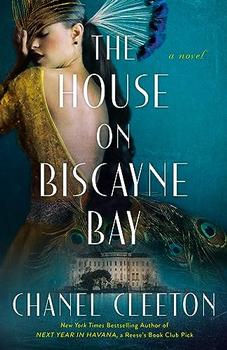
The House on Biscayne Bay
by Chanel Cleeton
As death stalks a gothic mansion in Miami, the lives of two women intertwine as the past and present collide.

The Funeral Cryer by Wenyan Lu
Debut novelist Wenyan Lu brings us this witty yet profound story about one woman's midlife reawakening in contemporary rural China.
Your guide toexceptional books
BookBrowse seeks out and recommends the best in contemporary fiction and nonfiction—books that not only engage and entertain but also deepen our understanding of ourselves and the world around us.