Summary | Excerpt | Reading Guide | Reviews | Beyond the Book | Readalikes | Genres & Themes | Author Bio
Critics' Opinion:
Readers' Opinion:
First Published:
Jul 2005, 320 pages
Paperback:
Aug 2006, 336 pages
 Book Reviewed by:
BookBrowse Review Team
Buy This Book

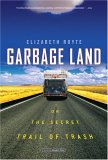
Chapter One
Dark Angels of Detritus
On a cool October morning, I caught up with John Sullivan and Billy
Murphy in the middle of their Park Slope garbage route. I watched them
carefully, from a slight distance, but still it took me several long
minutes to figure out, in the most rudimentary way, what my san men were
doing. They moved quickly, in a blur of trash can dragging, lid tossing,
handle cranking, and heaving. Though barrel-chested and muscle-bound,
they moved with balletic precision. Sometimes Murphy and Sullivan
appeared to be working independently, other times they collaborated.
Save for the grunts and squeals of the truck, it all happened in
relative silence. While Murphy drove to a gap between parked cars,
Sullivan slid barrels up the sidewalk to the waiting truck. Sometimes
Murphy jumped down to load, sometimes Sullivan did it on his own. Then
they switched. The truck moved in jerks, halting with a screech of
brakes. Although most sanitation workers stopped for coffee at eight,
Sullivan and Murphy kept loading. Upon their return to the garage at
ten-thirty, no one voiced the usual san man's query: "Did you get it
up?" Sullivan and Murphy—twenty-year veterans of the Department of
Sanitation, each approaching the age of fifty—had, as they always did.
I'd met the team at 6:00 a.m. roll call at the local DSNY (for
Department of Sanitation, New York) garage, a low brick structure on the
farthest fringe of the neighborhood. It was still dark when I locked up
my bike and walked hesitantly into a large, dimly lit room filled with
garbage trucks: eleven for household refuse and nine for recycling. I
made my way down a cinder-block corridor lined with smoking san men and
into the fluorescent-lit office. Like many a high school principal's
redoubt, it had a window overlooking a hallway filled with loiterers and
humming with paranoia. There were even lockers and a lunchroom down the
way.
Waiting for Jerry Terlizzi, the district supervisor, to appear, I
took a look around. Every stick of furniture—desks, cabinets,
footlockers—appeared to have been plucked from the street and coated
with the same brown paint. The walls were crammed with yellowed
memoranda and notices but held not a scrap of decoration. A dark roan
dog and a dull black cat padded around the building, former strays, but
even their names seemed impermanent.
"The dog, the dog. Oh yeah, that's Lupo," said an officer uncertainly
when I inquired. And the cat?
"Her name is Meow," answered a clerk.
"No, it's Mami," corrected another.
While I waited for Terlizzi to get off the phone and call roll, I
listened to the men.
"It's gonna rain the next three days."
"Oh, man, that garbage is gonna be heavy. You're gonna lose five
pounds on Friday alone."
"I hate rain. That's a drag."
"Yeah, well, you're a garbageman."
Behind me, someone said in a mincing tone, "Can I fill out a job
application?" That was for my benefit, so I chuckled along with everyone
else. Then two men came in from the street, jostling and punching each
other's shoulders. One said, "Somebody just stole the wheels off a bike
out there!" I sprang for the door, and the guys laughed.
From Garbage Land by Elizabeth Royte. Copyright © 2005 by Elizabeth Royte. All rights reserved. No part of this book maybe reproduced without written permission from the publisher.

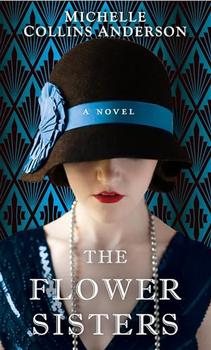
The Flower Sisters
by Michelle Collins Anderson
From the new Fannie Flagg of the Ozarks, a richly-woven story of family, forgiveness, and reinvention.
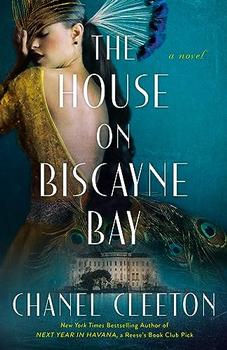
The House on Biscayne Bay
by Chanel Cleeton
As death stalks a gothic mansion in Miami, the lives of two women intertwine as the past and present collide.
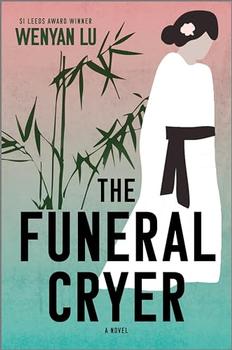
The Funeral Cryer by Wenyan Lu
Debut novelist Wenyan Lu brings us this witty yet profound story about one woman's midlife reawakening in contemporary rural China.
Your guide toexceptional books
BookBrowse seeks out and recommends the best in contemporary fiction and nonfiction—books that not only engage and entertain but also deepen our understanding of ourselves and the world around us.