Summary | Excerpt | Reviews | Readalikes | Genres & Themes | Author Bio
Critics' Opinion:
Readers' Opinion:
First Published:
Mar 2001, 288 pages
Paperback:
Mar 2001, 288 pages

That same evening, the Taliban moved on Kandahar where, after two days of sporadic fighting they routed the commanders' forces. Mullah Naquib, the most prominent commander inside the city who commanded 2,500 men, did not resist. Some of his aides later claimed that Naquib had taken a substantial bribe from the ISI to surrender, with the promise that he would retain his command. The Taliban enlisted his men and retired the Mullah to his village outside Kandahar. The Taliban captured dozens of tanks, armoured cars, military vehicles, weapons and most significantly at the airport six Mig-21 fighters and six transport helicopters ---left-overs from the Soviet occupation.
In just a couple of weeks this unknown force had captured the second largest city in Afghanistan with the loss of just a dozen men. In Islamabad no foreign diplomat or analyst doubted that they had received considerable support from Pakistan. The fall of Kandahar was celebrated by the Pakistan government and the JUI. Babar took credit for the Taliban's success, telling journalists privately that the Taliban were 'our boys'. Yet the Taliban demonstrated their independence from Pakistan, indicating that they were nobody's puppet. On 16 November 1994 Mullah Ghaus said that Pakistan should not bypass the Taliban in sending convoys in the future and should not cut deals with individual warlords. He also said the Taliban would not allow goods bound for Afghanistan to be carried by Pakistani trucks ---a key demand of the transport mafia.
The Taliban cleared the chains from the roads, set up a one-toll system for trucks entering Afghanistan at Spin Baldak and patrolled the highway from Pakistan. The transport mafia was ecstatic and in December the first Pakistani convoy of 50 trucks carrying raw cotton from Turkmenistan arrived in Quetta, after paying the Taliban 200,000 rupees (US$5,000) in tolls. Meanwhile thousands of young Afghan Pashtuns studying in Baluchistan and the NWFP rushed to Kandahar to join the Taliban. They were soon followed by Pakistani volunteers from JUI madrassas, who were inspired by the new Islamic movement in Afghanistan. By December 1994, some 12,000 Afghan and Pakistani students had joined the Taliban in Kandahar.
As international and domestic pressure mounted on Pakistan to explain its position, Bhutto made the first formal denial of any Pakistani backing of the Taliban in February 1995. 'We have no favourites in Afghanistan and we do not interfere in Afghanistan,' she said while visiting Manila. Later she said Pakistan could not stop new recruits from crossing the border to join the Taliban. 'I cannot fight Mr [President Burhanuddin] Rabbani's war for him. If Afghans want to cross the border, I do not stop them. I can stop them from re-entering but most of them have families here,' she said.
The Taliban immediately implemented the strictest interpretation of Sharia law ever seen in the Muslim world. They closed down girls' schools and banned women from working outside the home, smashed TV sets, forbade a whole array of sports and recreational activities and ordered all males to grow long beards. In the next three months the Taliban were to take control of 12 of Afghanistan's 31 provinces, opening the roads to traffic and disarming the population. As the Taliban marched north to Kabul, local warlords either fled or, waving white flags, surrendered to them. Mullah Omar and his army of students were on the march across Afghanistan.
From Taliban. Copyright © 2000 Ahmed Rashid. All rights reserved. Used by permission of Yale Univ. Press.




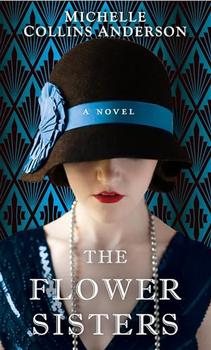
The Flower Sisters
by Michelle Collins Anderson
From the new Fannie Flagg of the Ozarks, a richly-woven story of family, forgiveness, and reinvention.
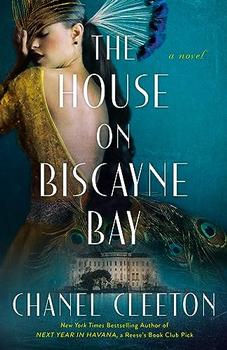
The House on Biscayne Bay
by Chanel Cleeton
As death stalks a gothic mansion in Miami, the lives of two women intertwine as the past and present collide.

The Funeral Cryer by Wenyan Lu
Debut novelist Wenyan Lu brings us this witty yet profound story about one woman's midlife reawakening in contemporary rural China.
Your guide toexceptional books
BookBrowse seeks out and recommends the best in contemporary fiction and nonfiction—books that not only engage and entertain but also deepen our understanding of ourselves and the world around us.